14 March 2026 .London
,
United Kingdom
Engaging in Advocacy, EVENTS EAU26 session highlights urinary incontinence in bladder cancer and launches new Urge to Act policy report
At the European Association of Urology Congress 2026 (EAU26), the session “Living with urinary incontinence as a comorbidity: patient perspectives” explored an important but often overlooked issue for people affected by bladder cancer: urinary continence and its impact on everyday life.
Urinary incontinence can occur as a result of the disease itself or as a consequence of treatments such as surgery or urinary reconstruction. While the focus of care is often on treating the cancer, these long-term effects can significantly influence how people live with their bodies after treatment.
As highlighted during the session by Alex Filicevas, our Executive Director, continence issues are often difficult for patients to discuss openly.
«Bladder cancer involves very private bodily functions: urination, continence and sexuality. Because of that, many patients struggle to speak about the issues that affect their lives the most.
Alex Filicevas, Executive Director, World Bladder Cancer Patient Coalition
For many people living with bladder cancer, urinary incontinence is not simply a clinical side effect. It can affect daily routines, emotional wellbeing and social participation. Patients often describe the practical adjustments they must make after treatment, such as worrying about leakage, planning activities around access to toilets, or feeling anxious about travelling, working or socialising.
The discussion also highlighted the stigma surrounding continence problems. Because bladder cancer affects intimate bodily functions, many patients feel uncomfortable raising these concerns with healthcare professionals or even with their families.
During the session, a new policy report titled “Coexisting Conditions: Urinary Incontinence as a Non-Communicable Disease Comorbidity” was also launched as part of the Urge to Act initiative, led by the European Association of Urology Policy Office.
The report highlights that urinary incontinence rarely occurs in isolation. Its onset, severity and treatment outcomes are often influenced by other health conditions, including cardiovascular disease, neurological disorders, diabetes, mental health conditions and cancer.
Across Europe, an estimated 55–60 million people live with continence health issues, yet these conditions remain largely overlooked in healthcare systems and public policy despite their significant impact on quality of life and healthcare costs.
The report calls for stronger policy attention to continence health and proposes a “continence health in all policies” approach, recognising urinary incontinence as a cross-cutting issue that affects many chronic diseases and survivorship outcomes.
From a patient advocacy perspective, several priorities were highlighted during the discussion:
- Including continence outcomes in shared decision-making when discussing treatment options
- Providing better information and peer support so patients know they are not alone
- Recognising continence management as part of cancer survivorship care
- Increasing policy attention to continence health across chronic diseases
Addressing urinary continence is essential to improving the quality of life for people living with and beyond bladder cancer. Initiatives such as Urge to Act aim to encourage more open conversations about continence and ensure this important aspect of survivorship receives the attention it deserves.
Download Policy Report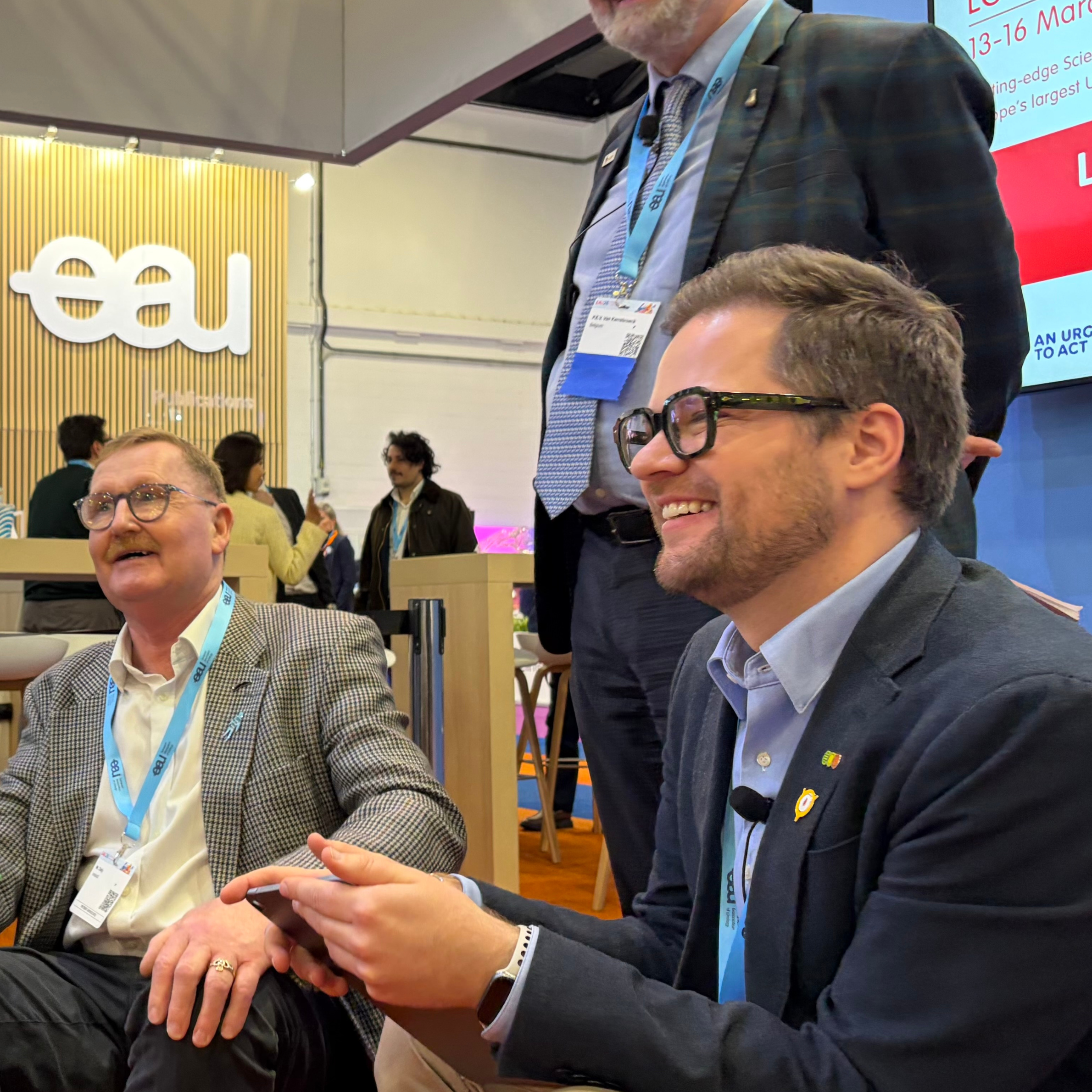
Related News & Events
31 May 2020
EVENT
.Building Community, EVENTS
A toolkit is launched today to support national bladder cancer patient groups
Today the World Bladder Cancer Patient Coalition (WBCPC) has launched a newly developed start-up guide that will provide information and support to bladder cancer…
Learn more
6 August 2020
EVENT
.Engaging in Advocacy, EVENTS
The WBCPC 2020 Virtual Annual Meeting
This year we are meeting virtually and hope to bring our event to an even wider global audience. The WBCPC 2020 Annual Meeting theme is…
Learn more
2 February 2021
.Engaging in Advocacy, EVENTS
REGISTER: Global Cancer Coalition Network Virtual Event on COVID-19 Impact
Join us for the first Coalition Connection event, an interactive session that will examine the effects of COVID-19 and the innovative strategies patient advocacy…
Learn more
6 May 2021
.Building Community, EVENTS
Bladder cancer awareness month digital meetup – May 12
We’ve teamed up with Stupid Cancer this month, to organise a Digital Meetup as part of the Bladder Cancer Awareness Month programme.
Learn more
25 June 2021
.Building Community, Engaging in Advocacy, EVENTS, Raising Awareness
World Bladder Cancer Patient Forum 2021 – September 22
Save the date for our first World Bladder Cancer Patient Forum 2021 taking place virtually on September 22, 2021.
Learn more
30 July 2021
.Building Community, NEWS
Now available in Portuguese: Start-up guide for bladder cancer groups
The latest edition of the Start-up guide launches Portuguese, in addition to English, French and Spanish language versions already available.
Learn more
6 August 2021
.Building Community, Engaging in Advocacy, EVENTS, Raising Awareness, Research
World Bladder Cancer Patient Forum 2021 – September 22
Sign up and join us for the first World Bladder Cancer Patient Forum 2021.
Learn more
13 August 2021
.Engaging in Advocacy, EVENTS
European Cancer Summit 2021
Sign up and join the European Cancer Summit 2021.
Learn more
22 September 2021
.Building Community, Engaging in Advocacy, EVENTS
First World Bladder Cancer Patient Forum 2021 a success
Rewatch the first World Bladder Cancer Patient Forum event, bringing together over 150 registered attendees from 35 countries.
Learn more
24 September 2021
.EVENTS, Raising Awareness
Registrations now closed – Advocacy Exchange – September 30
Register now and attend the Advocacy Exchange on September 30.
Learn more
27 September 2021
.Building Community, NEWS
Annual Report 2020 – World Bladder Cancer Patient Coalition
Explore our Annual Report showcasing our activities and impact throughout 2020.
Learn more
1 October 2021
.Engaging in Advocacy, NEWS
Our global bladder cancer patient experience survey launches today
The findings will fill a critical evidence gap, on patient and carer experiences and guide our future work.
Learn more
11 October 2021
.Engaging in Advocacy, EVENTS, Raising Awareness
Date update – Coalition Connection 2: COVID19 Vaccines & Cancer – 23 November
Register today to join the GCCN’s event: Coalition Connection 2: COVID19 Vaccines & Cancer.
Learn more
20 October 2021
.Engaging in Advocacy, NEWS
Our global bladder cancer patient experience survey is now available in Spanish
We are thrilled to announce that our global bladder cancer patient experience survey is now available in Spanish.
Learn more
21 October 2021
.EVENTS, Raising Awareness
Bladder cancer patient voice at BLADDR21 congress
WBCPC joined Global Congress on Bladder Cancer, bringing bladder cancer patient perspectives to the discussion.
Learn more
24 October 2021
.Engaging in Advocacy, EVENTS
7th Annual World Cancer Series: Europe
The Economist’s 7th Annual World Cancer Series: Europe will convene policymakers, health-care providers, industry, and patient groups for robust debate and dialogue.
Learn more
25 October 2021
.Engaging in Advocacy, EVENTS
Join WBCPC at 41st SIU Congress in Dubai – November 10-14, 2021
Join us at the 41st congress of the Société Internationale d’Urologie (SIU) in Dubai on November 10-14, 2021.
Learn more
25 October 2021
.Engaging in Advocacy, NEWS
French is now available for patients and caregivers responding to our global bladder cancer patient experience survey
Today, we launch the third language with our global bladder cancer patient experience survey in French!
Learn more
11 November 2021
.Engaging in Advocacy, EVENTS
WBCPC discusses role of data and artificial intelligence at World Cancer Series: Europe 2021
The World Bladder Cancer Patient Coalition joined experts on two panels on the role of health data and AI to improve cancer control at…
Learn more
15 November 2021
.Building Community, EVENTS
WBCPC connects with international urology community at SIU41 Congress
We joined the SIU41 Annual Congress to introduce WBCPC to the international urology community and highlight the importance of peer support and bladder cancer…
Learn more
16 November 2021
.Building Community, NEWS
WBCPC meets with Friends of Cancer Patients organisation in Sharjah
WBCPC team builds a relationship with a leading patient advocacy and support organisation in the United Arab Emirates and the region.
Learn more
22 November 2021
.Engaging in Advocacy, NEWS
More languages now live – Global Bladder Cancer Patient Experience Survey
We’ve added more languages to increase access to Global Bladder Cancer Patient Experience Survey.
Learn more
23 November 2021
.Engaging in Advocacy, EVENTS
Second GCCN event tackles community questions on COVID-19 vaccines and cancer
The second edition of the Global Cancer Coalitions Network event “Coalition Connection 2: COVID19 Vaccines & Cancer” takes place, moderated by WBCPC.
Learn more
1 December 2021
.Building Community, NEWS
World Bladder Cancer Patient Forum 2021 summary report out now
Explore or revisit the discussions and ideas generated at the Forum in the Summary Report.
Learn more
3 December 2021
.Building Community, NEWS
Start-up guide paper copies now available on request
Request a paper copy of the guide: “Know the basics: A start-up guide for bladder cancer patient groups” (available in English, Spanish, French or…
Learn more
21 January 2022
.Building Community, NEWS, Raising Awareness
Dr Lydia Makaroff shares WBCPC priorities for 2022
Hear from WBCPC President Dr Lydia Makaroff, as she talks about organisation’s priorities for the upcoming year and exciting projects launching in 2022.
Learn more
4 February 2022
.NEWS, Raising Awareness
Together let’s close the gap in cancer care -World Cancer Day!
On World Cancer Day, WBCPC recognises the power of knowledge and highlights the importance of closing the gap in cancer care.
Learn more
16 February 2022
.Building Community, NEWS
Dr Stephanie Chisolm succeeds Andrea Maddox – Smith on the Board of Directors
Andrea Maddox-Smith has stepped down from the World Bladder Cancer Patient Coalition’s Board of Directors. Dr Stephanie Chisolm will be succeeding her as a…
Learn more
18 February 2022
.Building Community, NEWS, Raising Awareness
Advice from #BladderCancerForum – our new video series
Hear from CEO of Campaigning For Cancer (South Africa), Lauren Pretorius, about the fundamental role that patient advocates have in improving bladder cancer patient…
Learn more
21 February 2022
.Building Community, NEWS
Now available in Arabic: Start-up guide for bladder cancer groups
The latest edition of the Start-up lunches Arabic, in addition to English, French, Spanish and Portuguese language versions already available.
Learn more
28 February 2022
.Building Community, EVENTS, Raising Awareness
Together united to achieve greater equity – Rare Disease Day!
For Rare Disease Day, WBCPC supports equity in social opportunity, healthcare, and access to diagnosis and therapies for people living with a rare disease.
Learn more
1 March 2022
.Engaging in Advocacy, NEWS
WBCPC President Dr Lydia Makaroff joins the EAU Patient Office Board
WBCPC is proud to announce that our President has joined the newly established EAU Patient Office Board. Its mission is to ensure that patients remain…
Learn more
8 March 2022
.Building Community, EVENTS, Raising Awareness
International Women’s Day – how do we #BreakTheBias?
On the occasion of International Women’s Day, the World Bladder Cancer Patient Coalitionhighlights the biases and challenges that women face in bladder cancer care
Learn more
17 March 2022
.EVENTS, Raising Awareness
Register – Coalition Connection 3: Sustaining Patient Advocacy Post-Covid – March 29
The third Global Cancer Coalitions Network event will tackle post pandemic challenges from the perspective of patient advocacy organisations.
Learn more
18 March 2022
.NEWS, Raising Awareness
Podcast Patient and healthcare professional perspectives from ESMO 2021
Alex Filicevas sits down with Dr Tom Powles to reflect on patient voice in leading oncology congresses, and bladder and kidney cancer research highlights…
Learn more
23 March 2022
.Building Community, NEWS
WBCPC joins the ECO-ASCO Special Network on the Impact of the War in Ukraine on Cancer
The special network set to coordinate community response and information exchange in almost real time for cancer patients affected by War in Ukraine.
Learn more
28 March 2022
.NEWS, Raising Awareness
Campaign toolkit now available for Bladder Cancer Awareness Month 2022!
Explore how you can get involved and support the Bladder Cancer Awareness Month campaign in May.
Learn more
1 April 2022
.NEWS, Raising Awareness
Support Grants available for Bladder Cancer Awareness Month this May!
Submit your grant application and bring awareness of bladder cancer to your community.
Learn more
7 April 2022
.Building Community, EVENTS, Raising Awareness
World Health Day – A call to protect the planet and people’s health
On the occasion of World Health Day, the World Bladder Cancer Patient Coalition highlights the environmental risk factos which may lead to bladder cancer
Learn more
1 May 2022
.Building Community, NEWS, Raising Awareness
Get involved in Bladder Cancer Awareness Month!
Find your way to contribute and support Don’t Go Red. Go To A Doctor campaign, to help us raise awareness about bladder cancer throughout…
Learn more
2 May 2022
.Engaging in Advocacy, NEWS, Raising Awareness
‘Don’t Go Red. Go to a Doctor’ campaign launched to raise greater awareness of bladder cancer across the world
As around half of patients hear about the disease for the very first time at diagnosis, the new campaign aims to increase awareness of…
Learn more
9 May 2022
.Building Community, NEWS, Raising Awareness
Real bladder cancer patient stories illustrate their journey
Patients, survivors and caregivers share their personal bladder cancer journeys to highlight the impact of bladder cancer and the need for greater awareness, on…
Learn more
16 May 2022
.NEWS, Raising Awareness
We want to hear your embarrassing affirmations!
Share an embarrassing moment and help us raise awareness about bladder cancer worldwide
Learn more
18 May 2022
.Building Community, NEWS, Raising Awareness
Real bladder cancer patient stories illustrate their journey
Patients, survivors and caregivers share their personal bladder cancer journeys to highlight the impact of bladder cancer and the need for greater awareness, on…
Learn more
19 May 2022
.NEWS, Raising Awareness
Thank you! – Global Bladder Cancer Patient Experience Survey
The World Bladder Cancer Patient Coalition (WBCPC) to publish the survey findings report in Autumn 2022
Learn more
19 May 2022
.Engaging in Advocacy, Engaging in Advocacy, EVENTS
WBCPC joins WHO consultation on people living with NCDs and mental health conditions
The World Bladder Cancer Patient Coalition joined WHO informal consultation to highlight the importance of including people with lived experiences in co-designing policies, programs, and…
Learn more
24 May 2022
.Building Community, NEWS, Raising Awareness
Real bladder cancer patient stories illustrate their journey
Patients, survivors and caregivers share their personal bladder cancer journeys to highlight the impact of bladder cancer and the need for greater awareness, on…
Learn more
25 May 2022
.EVENTS, Raising Awareness
Week Against Cancer – A call to accelerate the implementation of Europe’s Beating Cancer Plan
This year’s campaign will highlight and focus on the role that each one of us has in accelerating the implementation of Europe’s Beating Cancer…
Learn more
26 May 2022
.NEWS, Raising Awareness
Share your embarrassing affirmations for a chance to win a prize!
We invite all of you to overcome the feeling of embarrassment in our lives through affirmations whilst helping raise awareness about bladder cancer symptoms.
Learn more
26 May 2022
.Engaging in Advocacy, NEWS
Improving early detection and clinical management of bladder cancer
IARC Evidence Summary Brief No. 3 covers a promising urine test that could improve early detection and clinical management of bladder cancer
Learn more
31 May 2022
.NEWS, Raising Awareness
Celebrating World No Tobacco Day 2022
#TobaccoExposed campaign aims to bring awareness to harmful impact of tobacco on people and the planet
Learn more
2 June 2022
.Building Community, EVENTS, Raising Awareness
Inaugural meeting sees the launch of Bladder Cancer India
Celebrating the beginning towards great bladder cancer patient support and care in India.
Learn more
7 June 2022
.Building Community, Engaging in Advocacy, NEWS
Uro-H-Advisor, a system that indicates where to treat bladder cancer in Italy
PaLiNUro has developed an application to guide people in choosing the most competent, effective, and humane hospital for their bladder cancer treatment in Italy.
Learn more
9 June 2022
.Building Community, NEWS
WBCPC would like to thank you for having shared your embarrassing moments with us!
Bladder Cancer Awareness Month is over, and we would like to thank every one of you who has helped us raise awareness this year!
Learn more
13 June 2022
.Building Community, NEWS
Leven met blaas- of nierkanker joins WBCPC community
WBCPC welcomes to the coalition the Dutch patient group supporting people affected by bladder cancer and kidney cancer.
Learn more
16 June 2022
.EVENTS, Raising Awareness
All.Can Summit 2022 – Taking actions: implementing efficiency in cancer care globally
Two Day Summit saw WBCPC President join a panel on Supporting Healthcare Professionals
Learn more
20 June 2022
.NEWS, Raising Awareness
World Continence Week 2022
World Continence Week aims to raise awareness and challenge the stigma and taboo of talking about continence.
Learn more
23 June 2022
.Building Community, NEWS
Creation of a poster to raise awareness about bladder cancer signs and symptoms in France
Lori Cirefice Board of Directors for the World Bladder Cancer Patient Coalition, and Patient Coalition Delegate with Cancer Vessie France – Les Zuros shares…
Learn more
4 July 2022
.Engaging in Advocacy, NEWS
Bladder Cancer Special Interest Group: The importance of the patient voice
The European Association of Urology Nurses invited WBCPC to showcase how bladder cancer patient voice can help drive improvements in their care.
Learn more
4 July 2022
.Engaging in Advocacy, EVENTS
EAU Patient Day session on bladder cancer
WBCPC community leads the bladder cancer session on EAU Patient Day at the European Association of Urology Congress 2022.
Learn more
12 July 2022
.Engaging in Advocacy, NEWS
World Bladder Cancer Patient Coalition welcomes the new term of the Board of Directors
We are delighted to announce the renewed terms of the WBCPC Board of Directors from 2022 through 2025.
Learn more
20 July 2022
.Building Community, NEWS, Raising Awareness
Real bladder cancer patient stories illustrate their journey
Patients, survivors and caregivers share their personal bladder cancer journeys to highlight the impact of bladder cancer and the need for greater awareness.
Learn more
24 July 2022
.Building Community, NEWS
Organising an annual bladder cancer walk in Canada
Ken Bagshaw, Founding President of the World Bladder Cancer Patient Coalition and Board Member of Bladder Cancer Canada, shares the initiative of an annual…
Learn more
5 August 2022
.Engaging in Advocacy, NEWS, Raising Awareness
New Bladder cancer infographic 2022 now available
Check out our latest infographic featuring latest global bladder cancer data, including signs & symptoms to help you raise awareness in your community.
Learn more
18 August 2022
.Engaging in Advocacy, EVENTS
European Cancer Summit 2022 –November 16/17 in Brussels
Benefit from a discounted registration to European Cancer Summit 2022 and join leaders in oncology about how to make cancer in Europe more efficient,…
Learn more
22 August 2022
.Building Community, NEWS
Setting up an online support forum for people affected by bladder cancer
Lydia Makaroff, President of the World Bladder Cancer Patient Coalition and Chief Executive Officer of Fight Bladder Cancer UK, highlights the importance of setting up…
Learn more
26 August 2022
.Engaging in Advocacy, NEWS
WBCPC Executive Director Alex Filicevas nominated candidate for UICC’s Board of Directors
We are thrilled to share that Alex Filicevas was nominated as candidate for the elections of the Board of Directors for the Union for…
Learn more
2 September 2022
.NEWS, Raising Awareness
Stigma: The invisible side of bladder cancer – new advocacy infographic
We have published a new infographic highlighting the challenge of stigma often faced by people affected by bladder cancer.
Learn more
21 September 2022
.Building Community, EVENTS
World Bladder Cancer Patient Forum 2022 – Taking bladder cancer patient’s voice forward
This year’s forum was a milestone event for our international community. We got to get together for the first time in person, sharing advance…
Learn more
26 September 2022
.EVENTS, Raising Awareness
Urology week 2022 – September 26 -30
Urology week aims to raise awareness on the importance of early diagnosis of bladder cancer as it can significantly improve its treatment outcomes.
Learn more
27 September 2022
.Building Community, EVENTS
Examples from the patient community at World Bladder Cancer Patient Forum 2022
Our member organisations rise to the challenge every day. At the Forum, they shared their impactful activities, which provide support, information and advance advocacy…
Learn more
28 September 2022
.NEWS, Raising Awareness
September newsletter is out!
Explore the latest news from the bladder cancer community around the world!
Learn more
10 October 2022
.EVENTS, Raising Awareness
World Mental Health Day 2022
World Mental Health Day is a chance for us to rekindle our efforts to protect and improve mental health worldwide.
Learn more
14 October 2022
.NEWS, Raising Awareness
Turkish Start-up guide for bladder cancer groups
The latest edition of the Start-up guide launches today in the Turkish language. This guide enlarges our suite of English, French, Spanish, Portuguese and…
Learn more
21 October 2022
.NEWS, Raising Awareness
Campaign report: Bladder Cancer Awareness Month 2022
Explore our BCAM report and learn more about our campaign, its results and the wonderful global participation received.
Learn more
24 October 2022
.Engaging in Advocacy, EVENTS
WBCPC at World Cancer Congress 2022
The WBCPC team joined the leading global cancer control event in Geneva, connecting with civil society & patient groups from around the world.
Learn more
25 October 2022
.Building Community, NEWS
BEAT Bladder Cancer Australia joins our international community
WBCPC welcomes to the coalition BEAT, an Australian patient group supporting people affected by bladder cancer.
Learn more
26 October 2022
.Building Community, NEWS
Annual report 2021 – World Bladder Cancer Patient Coalition
Explore WBCPC Annual Report showcasing our activities and impact throughout 2021.
Learn more
29 October 2022
.Building Community, NEWS
The World Bladder Cancer Patient Forum 2022 recording is now available!
We invite you to watch the recording if you have missed the event and/or would like to revisit the discussions.
Learn more
30 October 2022
.Building Community, EVENTS
WBCPC at GO NORTE International GU Debates 2022
Our Executive Director addressed urologists and oncologists from around Spain at the international expert event in Limpias.
Learn more
31 October 2022
.NEWS, Raising Awareness
October newsletter is out!
Explore the latest news from the bladder cancer community around the world!
Learn more
4 November 2022
.Engaging in Advocacy, NEWS
Australia: Guidelines for general practitioners about treating haematuria
Dr Stephanie Demkiw, co-founder of Bladder Cancer Awareness Australia, co-developed guidelines from a general practice perspective about how to treat haematuria with some of…
Learn more
8 November 2022
.Engaging in Advocacy, EVENTS
Increasing speed, accessibility and effectiveness of screening – 8th World Cancer Series
WBCPC Executive Director, Alex Filicevas, discusses the importance of increasing the speed, accessibility and effectiveness of screening in cancer at the Economist’s World Cancer…
Learn more
9 November 2022
.Raising Awareness
Speaker reflections from the #BladderCancerForum22
Dr Ignacio Durán discusses the fundamental role of patient advocacy groups in improving bladder cancer information and support for patients around the globe at…
Learn more
23 November 2022
.EVENTS, Raising Awareness
Speaker reflections from the #BladderCancerForum22
Sarah Collen, EU Policy Manager at the European Association of Urology, discussed the importance of building partnerships at European and International levels at the…
Learn more
25 November 2022
.Building Community, EVENTS
WBCPC team at the SIU42 Annual Congress in Montreal, Canada
Our team travelled to Montreal, Canada, for the Annual Congress organised by Société Internationale d’Urologie, to meet with urologists from across the globe.
Learn more
29 November 2022
.Building Community, NEWS
Blåscancerförbundet joins WBCPC community
WBCPC welcomes to the coalition the Swedish Bladder Cancer Society which supports people affected by bladder cancer
Learn more
9 December 2022
.Engaging in Advocacy, EVENTS
The ‘P’ Word: event on the challenge of urinary problems faced by people living with prostate and bladder cancer
A collaborative event highlighted the challenges of urinary incontinence, providing a platform for discussion and policy recommendations to increase the quality of life of…
Learn more
16 December 2022
.EVENTS, Raising Awareness
Speaker reflections from the #BladderCancerForum22
Stephen Head, Senior Director, Patient Partnerships at Astellas Pharma Europe, discussed the importance of raising our voice as a global community at the World…
Learn more
27 December 2022
.Engaging in Advocacy, EVENTS
Recording available of the panel discussion “Empowering genitourinary cancer patients to become their own best advocates” – World Cancer Congress 2022
WBCPC Executive Director, Alex Filicevas, stressed the need for more bladder cancer support networks and organizations around the world at the World Cancer Congress…
Learn more
2 January 2023
.Engaging in Advocacy, NEWS
Stigma: The invisible side of bladder cancer – an advocacy infographic
Explore the results of a survey highlighting the challenge of stigma often faced by people affected by bladder cancer.
Learn more
9 January 2023
.Engaging in Advocacy, NEWS
WECAN Activity Report summarises achievements of 2022
WECAN published its 2022 Activity Report showcasing the European cancer patient community’s collective efforts to ensure cancer patients get the support, training, and voice…
Learn more
16 January 2023
.Engaging in Advocacy, NEWS
Stigma and Bladder Cancer UK infographic with Fight Bladder Cancer
We have developed an infographic in collaboration with Fight Bladder Cancer which aims to highlight the impact of stigma on people affected by bladder…
Learn more
21 January 2023
.Building Community, NEWS
Making fight against bladder cancer the New Year’s resolution
Start 2023 with a commitment or supporting hand for the bladder cancer community and discover our suggested New Year’s resolutions for you.
Learn more
25 January 2023
.NEWS, Raising Awareness
WBCPC team share the organisation’s priorities for 2023
Hear from WBCPC team discussing the organisation’s priorities for the upcoming year and exciting projects launching in 2023.
Learn more
30 January 2023
.EVENTS, Raising Awareness
Get involved during World Cancer Day
Find out how you can get involved for World Cancer Day and play your part in creating a cancer-free world.
Learn more
1 February 2023
.Building Community, NEWS
Ken Bagshaw steps down from WBCPC Board of Directors
Ken Bagshaw stepped down from the WBCPC Board of Directors and his role as Treasurer effective February 1, 2023.
Learn more
4 February 2023
.EVENTS, Raising Awareness
Together let’s close the gap in cancer care – World Cancer Day!
On World Cancer Day, WBCPC recognises the power of knowledge and highlights the importance of closing the gap in cancer care.
Learn more
7 February 2023
.NEWS, Raising Awareness
Theme announced for Bladder Cancer Awareness Month 2023!
This May, we say‘Feeling unsure? Get checked. ’ as we launch our new campaign to raise bladder cancer awareness around the world.
Learn more
8 February 2023
.Building Community, NEWS
Michelle Colero succeeds Ken Bagshaw on the Board of Directors
Michelle Colero succeeds Ken Bagshaw as a representative of Bladder Cancer Canada on the WBCPC Board of Directors through 2025.
Learn more
13 February 2023
.NEWS, Raising Awareness
WBCPC offers 4 grants to bring bladder cancer awareness in LMICs
Ahead of Bladder Cancer Awareness Month in May 2023, we offer 4 support grants to enable awareness projects and campaigns in low and middle-income…
Learn more
16 February 2023
.EVENTS, Raising Awareness
WBCPC will be speaking at the 38th Annual EAU Congress in March
The World Bladder Cancer Patient Coalition President, Dr Lydia Makaroff, and Executive Director, Alex Filicevas, will speak at various sessions at the 38th Annual…
Learn more
22 February 2023
.EVENTS, Raising Awareness
Together united to achieve greater equity on Rare Disease Day!
Find out the resources we have made available for you to show your support for Rare Disease Day.
Learn more
27 February 2023
.NEWS, Raising Awareness
Reconnect with highlights from #BladderCancerForum22 in this video!
Discover key conversation highlights with bladder cancer experts at the World Bladder Cancer Patient Forum 2022.
Learn more
4 March 2023
.Engaging in Advocacy, NEWS
“Don’t Go Red. Go To a Doctor” campaign nominated for PRWeek Healthcare awards
WBCPC 2022 Bladder Cancer Awareness Month campaign “Don’t go red. Go to a doctor” is nominated for PRWeek Healthcare Awards.
Learn more
8 March 2023
.NEWS, Raising Awareness
International Women’s Day – #EmbraceEquity
On International Women’s Day, the World Bladder Cancer Patient Coalition highlights the need to embrace equity for women affected by bladder cancer.
Learn more
15 March 2023
.NEWS, Raising Awareness
Now in Hindi – Bladder Cancer Awareness Video
Watch our short video animation in Hindi to learn more about the signs and symptoms of bladder cancer to look out for!
Learn more
23 March 2023
.NEWS, Raising Awareness
Don’t Go Red. Go To a Doctor” campaign finalist at the PRWeek Healthcare awards
WBCPC 2022 Bladder Cancer Awareness Month campaign “Don’t go red. Go to a doctor” finalist at the PRWeek Healthcare Awards.
Learn more
7 April 2023
.NEWS, Raising Awareness
World Health Day – Health for All!
This World Health Day, learn more about the risk factors which may lead to bladder cancer
Learn more
13 April 2023
.Building Community, NEWS
In conversation with BEAT Bladder Cancer Australia
Our Executive Director sits down with Adam Lynch to learn more about the bladder cancer patient organisation he founded.
Learn more
21 April 2023
.NEWS, Raising Awareness
Campaign toolkit available for Bladder Cancer Awareness Month 2023!
Explore how you can get involved and support the Bladder Cancer Awareness Month campaign in May.
Learn more
26 April 2023
.Building Community, NEWS
WECAN Retreat 2023 brings cancer patient advocacy leaders together
WBCPC joined 20+ cancer patient advocacy leaders in Frankfurt, Germany, for a two-day meeting.
Learn more
1 May 2023
.Engaging in Advocacy, NEWS
Press Release: More than half of people with bladder cancer are misdiagnosed with another disease
For Bladder Cancer Awareness Month, WBCPC highlights the challenge of symptom awareness and timely accurate diagnosis of bladder cancer.
Learn more
1 May 2023
.NEWS, Raising Awareness
Get involved in Bladder Cancer Awareness Month!
Find your way to contribute and support our Feeling Unsure, Get Checked campaign, to help us raise awareness about bladder cancer throughout May.
Learn more
4 May 2023
.Engaging in Advocacy, NEWS
Stigma and Bladder Cancer in Spain infographic
We published an infographic in partnership with GEPAC to highlight the effects of stigma on individuals impacted by bladder cancer, using shared experiences from…
Learn more
8 May 2023
.NEWS, Raising Awareness
Real bladder cancer patient stories illustrate their journey
Patients, survivors and caregivers share their personal bladder cancer journeys to highlight the impact of bladder cancer and the need for greater awareness, on…
Learn more
16 May 2023
.NEWS, Raising Awareness
Do you have a minute to spare to help us raise awareness?
show your support for World Bladder Cancer Awareness Month 2023.
Learn more
19 May 2023
.Building Community, EVENTS
SAVE THE DATE – World Bladder Cancer Patient Forum 2023
Mark your calendar for the World Bladder Cancer Patient Forum 2023 which will take place on October 19, in Madrid, Spain.
Learn more
24 May 2023
.EVENTS, Raising Awareness
Bladder Cancer Patient Day in France for a better informed patient
Full-day event organized Cancer Vessie France and Association Française d’Urologie helps patients and carers to better understand the bladder cancer care pathway.
Learn more
25 May 2023
.EVENTS, Raising Awareness
Week Against Cancer – A call to bringing forward cancer prevention in Europe
This year’s campaign highlights role of the European Code Against Cancer and Europe’s Beating Cancer Plan in cancer prevention, screening, treatment, and survivorship.
Learn more
31 May 2023
.EVENTS, Raising Awareness
Celebrating World No Tobacco Day 2023
WHO campaign aims to bring awareness to the harmful impact of tobacco on people and the planet
Learn more
1 June 2023
.NEWS, Raising Awareness
Thank you for your wonderful participation this Bladder Cancer Awareness Month!
As Bladder Cancer Awareness Month ends, we would like to share with you some highlights and thank you for making this possible!
Learn more
12 June 2023
.EVENTS, Raising Awareness
International Men’s Health Week 2023
For the occasion of International Men’s Health Week, we are raising awareness about the prevention and early detection of bladder cancer in men.
Learn more
16 June 2023
.Engaging in Advocacy, NEWS
Global Bladder Cancer Patient Survey results point to areas of unmet need
The first WBCPC Bladder Cancer Patient and Carer survey results show insights from 1200 people in 45 countries on their personal experiences with bladder…
Learn more
19 June 2023
.NEWS, Raising Awareness
World Continence Week 2023
Raising awareness and challenging the stigma and taboo of talking about continence this World Continence Week.
Learn more
30 June 2023
.NEWS, Raising Awareness
June newsletter is out!
Read our June newsletter and discover the latest news from the bladder cancer community around the world!
Learn more
7 July 2023
.Building Community, NEWS
Capacity building session: Paving the way with awareness walks
The latest session in our Capacity Building series highlighted awareness walks, showcasing case studies and sharing practical insights for staging impactful events.
Learn more
24 July 2023
.Building Community, NEWS
WBCPC Annual Report 2022 – Now available
Explore the WBCPC Annual Report showcasing our activities and impact throughout 2022
Learn more
26 July 2023
.NEWS, Raising Awareness
Carole’s bladder cancer journey
Carole shares her bladder cancer journey, which highlights the impact of bladder cancer and the need for greater awareness around the world.
Learn more
31 July 2023
.Building Community, NEWS
July newsletter is out!
Read our July newsletter and discover the latest news from the bladder cancer community around the world!
Learn more
10 August 2023
.NEWS, Raising Awareness
Empowering Cancer Patients: Fika-Phila project eases transport barrier to treatment
Campaigning for Cancer teamed up with the app based Siyaphambili Cashless Taxi Association and Uber to facilitate access to vital medical facilities and cancer…
Learn more
14 August 2023
.NEWS, Raising Awareness
Challenging uncertainty: The “Unsure Icon” sparks conversations about bladder cancer
The “Unsure Icon” encourages engagement, conversations, and shared support among the bladder cancer patient community.
Learn more
18 August 2023
.NEWS, Raising Awareness
Bladder Cancer Canada Launches 12in1 League program to honour monthly donors
Bladder Cancer Canada has introduced 12in1 League, a unique program to celebrate the dedication of their monthly donors. By joining, you can make a…
Learn more
25 August 2023
.NEWS, Raising Awareness
Stacey’s bladder cancer journey
Stacey shares her bladder cancer journey, which highlights the impact of bladder cancer and the need for greater awareness around the world.
Learn more
25 August 2023
.NEWS, Raising Awareness
Advocating for change: Fight Bladder Cancer’s impact journey to UK parliament
Fight Bladder Cancer aimed to shed light on the struggles faced by bladder cancer patients, promote early detection and advanced treatments, and advocate for…
Learn more
13 September 2023
.Engaging in Advocacy, EVENTS
WBCPC & EAU Policy roundtable to launch EU White Paper on Bladder Cancer
Join us for this roundtable as we delve into the policy recommendations to leverage EU & national legislative opportunities for better support of patients…
Learn more
14 September 2023
.Engaging in Advocacy, EVENTS
European Cancer Summit 2023 – Accelerating Momentum: A manifesto to 2030
Benefit from a discounted registration to European Cancer Summit 2023 and join leaders in oncology about how to make cancer in Europe more efficient,…
Learn more
21 September 2023
.NEWS, Raising Awareness
BCAM Grant 2023 – Oncoguia’s impactful bladder cancer awareness initiatives
Brazil’s Instituto Oncoguia, BCAM Grant awardee, shines in raising awareness about bladder cancer through its educational campaign during Bladder Cancer Awareness Month 2023.
Learn more
24 September 2023
.EVENTS, Raising Awareness
Urology Week 2023: breaking taboo and raising incontinence awareness
Join us for Urology Week 2023 to raise awareness about incontinence issues and break the taboo around talking about it.
Learn more
25 September 2023
.Engaging in Advocacy, EVENTS
Policy Roundtable: Stepping up for bladder cancer patients in Europe.
Together with the European Association of Urology, we brought key stakeholders for a bladder cancer focused policy discussion.
Learn more
28 September 2023
.Engaging in Advocacy, NEWS
EU White Paper on Bladder Cancer launched
Explore legislative opportunities and policy recommendations in this White Paper developed together with the European Association of Urology.
Learn more
30 September 2023
.Building Community, NEWS
Stay informed: September newsletter is out now!
Read our September newsletter and discover the latest news from the bladder cancer community around the world!
Learn more
6 October 2023
.NEWS, Raising Awareness
Global Insights into Bladder Cancer Care: A Comprehensive Survey
Watch the first episode of video series with Urotoday.com discussing the Global Bladder Cancer Patient Survey results.
Learn more
10 October 2023
.EVENTS, Raising Awareness
World Mental Health Day 2023: Recognising mental health as a Universal Right
World Mental Health Day is a chance for us to rekindle our efforts to protect and improve mental health worldwide.
Learn more
13 October 2023
.Engaging in Advocacy, NEWS
Global Bladder Cancer Patient Survey results presented at SIU Congress
The poster showcases key elements of bladder cancer experience with care and the importance of awareness raising and peer support
Learn more
14 October 2023
.Building Community, NEWS
WBCPC team joined SIU43 Congress in Istanbul
Our team travelled to Istanbul, Türkiye for the Annual Congress organised by Société Internationale d’Urologie, to meet with urologists from across the globe.
Learn more
22 October 2023
.NEWS, Raising Awareness
From Uncertainty to Action: Our Bladder Cancer Awareness Month 2023 Report
Explore how we challenged uncertainty this year with our global BCAM23 campaign in this report.
Learn more
27 October 2023
.NEWS, Raising Awareness
BCAM Grant 2023, Direct Impact Foundation for Youth, raises bladder cancer awareness in Malawi’s rural areas
Read about bladder cancer awareness initiative in Malawi, involving communities, youth, and organisation in a successful awareness campaign last May.
Learn more
30 October 2023
.Building Community, EVENTS
World Bladder Cancer Patient Forum 2023 – Uniting bladder cancer advocates from around the world
Our annual event provided a platform to share ideas and best practice and explore opportunities to do better together.
Learn more
2 November 2023
.Building Community, EVENTS
World Bladder Cancer Patient Forum 2023 workshops facilitate ideas and collaborations
Our bladder cancer patient advocates spent a morning sharing own initiatives, evaluating impact and co-creating projects for the future.
Learn more
6 November 2023
.Building Community, EVENTS
Cancer in Africa: WBCPC joins the 14th AORTIC Conference
The leading cancer congress in the region brought together experts from across the world, where WBCPC had the opportunity to listen, learn and connect…
Learn more
8 November 2023
.Engaging in Advocacy, EVENTS
Urge to Act: WBCPC signs Manifesto for policy reform on Continence Health in Europe
The Manifesto launched at the EU Continence Health Summit 2023 was co-signed by man European and international organisations present.
Learn more
11 November 2023
.Engaging in Advocacy, EVENTS
Associazione PaLiNUro’s 6th Congress
WBCPC attended Associazione PaLiNUro’s 6th Congress in Milan, engaging with Italy’s bladder cancer community and sharing global care insights.
Learn more
15 November 2023
.Building Community, NEWS
The World Bladder Cancer Patient Forum 2023 recording is now available!
We invite you to watch the recording if you have missed the event and/or would like to revisit the discussions.
Learn more
16 November 2023
.Engaging in Advocacy, EVENTS
WBCPC presents at European Cancer Summit 2023
WBCPC Executive Director joined a panel discussion on the future of cancer leadership, emphasising the significance of patient voices.
Learn more
19 November 2023
.NEWS, Raising Awareness
Raising bladder cancer awareness in Egypt
Mansoura University Safety Society, BCAM Grant awardee raised awareness in Egypt by conducting surveys, providing the public with educational leaflets, doing collaboration with experts…
Learn more
21 November 2023
.EVENTS, Raising Awareness
British Association of Urological Nurses Conference 2023
WBCPC attended BAUN 2023, engaging with members and healthcare professionals to improve support and advocacy for bladder cancer.
Learn more
26 November 2023
.EVENTS, Raising Awareness
Recognising carers on International Caregiver Day
On International Caregiver Day we celebrate carers all around the world and highlight the emotional strains that they face on a daily basis.
Learn more
28 November 2023
.Engaging in Advocacy, NEWS
Experts discuss findings from Global Bladder Cancer Patient & Carer Survey
WBCPC Executive Director joined a panel discussion on the future of cancer leadership, emphasising the significance of patient voices.
Learn more
29 November 2023
.Engaging in Advocacy, EVENTS
Launching the ‘Time to Accelerate’ Roadmap
The ‘Time to Accelerate’ Roadmap, launched in Brussels on November 29, 2023, introduces innovative strategies for advancing men’s cancer care across Europe.
Learn more
30 November 2023
.Building Community, NEWS
Stay informed: our November newsletter is out now!
Read our November newsletter and discover the latest news from the bladder cancer community around the world!
Learn more
5 December 2023
.NEWS, Raising Awareness
Raising bladder cancer awareness in India
WEEDS, BCAM Grant awardee engaged communities in one region of India by hosting educational sessions to raise awareness about bladder cancer and providing medical…
Learn more
13 December 2023
.Building Community, NEWS
VICARE joins WBCPC community
WBCPC welcomes a new member organisation to our international coalition – VICARE, which supports people affected by bladder cancer in Argentina.
Learn more
19 December 2023
.Building Community, NEWS
Angela’s bladder cancer journey
Angela shares her bladder cancer journey, which highlights the impact of bladder cancer and the need for greater awareness around the world.
Learn more
9 January 2024
.Building Community, Engaging in Advocacy, NEWS
Make fight against bladder cancer your New Year’s resolution
Start the year with supporting hands for the bladder cancer community, discover our suggested New Year’s resolutions for you.
Learn more
15 January 2024
.Building Community, NEWS
Karen’s bladder cancer journey
Karen shares her bladder cancer journey, which highlights the impact of bladder cancer and the need for greater awareness around the world.
Learn more
17 January 2024
.NEWS, Raising Awareness
Setting WBCPC work priorities for 2024
Hear from the WBCPC team discussing the organisation’s priorities for the year.
Learn more
19 January 2024
.Engaging in Advocacy, EVENTS
WBCPC shares patient-led research expertise at WECAN EBA Workshop
The Global Bladder Cancer Patient & Carer Survey served as an example of practical learning and inspiration for cancer patient advocates.
Learn more
21 January 2024
.EVENTS, Raising Awareness
Get involved during World Cancer Day
Find out how you can get involved for World Cancer Day and play your part in creating a cancer-free world.
Learn more
26 January 2024
.Engaging in Advocacy, EVENTS
WBCPC brings patient perspective to Community Advisory Board of EU funded project
Exploring advanced cancer care and patient needs at the PRIME-ROSE meeting, WBCPC brought bladder cancer patient perspective to the Community Advisory Board.
Learn more
27 January 2024
.Engaging in Advocacy, EVENTS, Raising Awareness
WBCPC Patient survey findings at ASCO GU Symposium in San Francisco
Global Bladder Cancer Patient & Carer Survey poster showcases key findings at ASCO Genitourinary Cancers Symposium 2024.
Learn more
30 January 2024
.Building Community, NEWS
Malawi’s Judith Foundation joins the WBCPC community
WBCPC welcomes a new member organisation to our international coalition – Judith Foundation. Since 2010, their mission is to empower vulnerable groups and raise…
Learn more
4 February 2024
.NEWS, Raising Awareness
Close the Care Gap – opportunities to improve bladder cancer care
On World Cancer Day, look at Global Bladder Cancer Patient & Carer Survey results which reveal gaps in bladder cancer patient care experience around…
Learn more
14 February 2024
.NEWS, Raising Awareness
GLOBOCAN 2022: Bladder cancer 9th most common worldwide
The IARC estimates that 614,298 people were diagnosed with bladder cancer in 2022, placing bladder cancer as the 9th most commonly diagnosed cancer in the…
Learn more
20 February 2024
.NEWS, Raising Awareness
Amit’s bladder cancer journey
Amit shares his bladder cancer journey, which highlights the impact of bladder cancer and the need for greater awareness around the world.
Learn more
29 February 2024
.NEWS, Raising Awareness
Together united to achieve greater equity on Rare Disease Day!
Find out the resources we have made available for you to show your support for Rare Disease Day.
Learn more
8 March 2024
.NEWS, Raising Awareness
Sharing 5 unique stories of women with bladder cancer
On International Women’s Day, we launch new video series to highlight 5 unique experiences of 5 women affected by bladder cancer in different parts…
Learn more
11 March 2024
.NEWS, Raising Awareness
Applications open: Bladder Cancer Awareness Month Grants
Ahead of Bladder Cancer Awareness Month in May 2024, we offer 4 support grants to enable awareness projects and campaigns in low and middle-income…
Learn more
15 March 2024
.Engaging in Advocacy, NEWS
Bladder cancer research highlights from ASCO GU 2024
We have provided lay summaries for a selection of scientific research in bladder cancer presented at this leading congress.
Learn more
18 March 2024
.NEWS, Raising Awareness
OECD Report and WBCPC Global Survey reveal key challenges and opportunities in bladder cancer care
Insightful OECD report and WBCPC Global Survey reveal urgent need for improved cancer awareness and equitable healthcare access.
Learn more
23 March 2024
.Building Community, NEWS
WBCPC welcomes two new bladder cancer patients to the Board of Directors
Sarah Coffey Dégrange and Helen Lacy, both bladder cancer patients and committed advocates, recently joined the WBCPC Board of Directors.
Learn more
25 March 2024
.NEWS, Raising Awareness
Get ready for Bladder Cancer Awareness Month 2024!
Explore the new campaign toolkit and discover all the resources we have prepared for you to do your part in raising awareness this May.
Learn more
5 April 2024
.EVENTS, Raising Awareness
Empowering patient care with AI: WBCPC presentation at EAU24
WBCPC President Dr Lydia Makaroff highlighted the transformative role of AI in improving bladder cancer patient care through innovative case studies
Learn more
7 April 2024
.NEWS, Raising Awareness
World Health Day – My Health, My Right
This World Health Day, we want to highlight the necessity of universal access to health services, crucial for addressing bladder cancer.
Learn more
8 April 2024
.NEWS, Raising Awareness
Ana María’s experience with muscle-invasive bladder cancer diagnosis
Watch this story of positivity and resilience from Argentina, as Ana María shares her experience with the clinical trial for the treatment of muscle-invasive…
Learn more
10 April 2024
.Building Community, EVENTS
Connecting with urology professionals at EAU24
WBCPC participated at the European Association of Urology Congress in Paris.
Learn more
16 April 2024
.NEWS, Raising Awareness
Get involved during Bladder Cancer Awareness Month
Have you explored our BCAM24 resources yet?
Learn more
23 April 2024
.NEWS, Raising Awareness
Bladder Cancer Awareness Month in May and why it is important
Over 610,000 people are diagnosed with bladder cancer worldwide each year, yet many hear about bladder cancer for the very first time at diagnosis.
Learn more
29 April 2024
.NEWS, Raising Awareness
Radical cystectomy to recovery: Angela’s courageous bladder cancer journey
Watch as Angela from Canada shares her bladder cancer journey, including a life-altering radical cystectomy.
Learn more
1 May 2024
.NEWS, Raising Awareness
Bladder Cancer Awareness Month begins today!
Play our new game “Spot the Drop” which raises awareness about symptoms and the importance of early detection!
Learn more
2 May 2024
.EVENTS, Raising Awareness
Bladder Cancer Patient Day in France to help patients take control
Cancer Vessie France and the French Association of Urology hosted a Patient Day, sharing insights on bladder cancer treatments and research.
Learn more
8 May 2024
.NEWS, Raising Awareness
Play our “Spot the Drop” game!
Are you ready to take on a challenge? Play the game and try to beat our highest score!
Learn more
15 May 2024
.NEWS, Raising Awareness
Get involved this Bladder Cancer Awareness Month!
Do you have a minute to spare to help us raise awareness?
Learn more
19 May 2024
.NEWS, Raising Awareness
Real bladder cancer patient stories illustrate their journey
Patients, survivors and caregivers share their personal bladder cancer journeys to highlight the impact of bladder cancer and the need for greater awareness, on…
Learn more
29 May 2024
.NEWS, Research
Bladder cancer research highlights from EAU24
Lay summaries of a selection of scientific research in bladder cancer presented at the European Association of Urology Congress 2024.
Learn more
31 May 2024
.NEWS, Raising Awareness
Smoking and bladder cancer – World No Tobacco Day
This WHO No Tobacco Day we highlight the impact of tobacco smoking and bladder cancer incidence, the need for policy action and raising awareness.
Learn more
1 June 2024
.NEWS, Raising Awareness
Thank you for your wonderful participation this Bladder Cancer Awareness Month!
As Bladder Cancer Awareness Month ends, we would like to share with you some highlights and thank you for making this possible!
Learn more
11 June 2024
.NEWS, Raising Awareness
Vivian’s story: facing bladder cancer with strength and support of community
Watch as Vivian from South Africa shares her bladder cancer story, undergoing chemotherapy and finding hope in a women’s support group.
Learn more
18 June 2024
.NEWS, Raising Awareness
Catch-up with discussions from World Bladder Cancer Patient Forum 2023
The Forum summary report captures key discussions and ideas from the 3rd annual World Bladder Cancer Patient Forum
Learn more
20 June 2024
.EVENTS, Raising Awareness
SAVE THE DATE – World Bladder Cancer Patient Forum 2024
Mark your calendar for the World Bladder Cancer Patient Forum 2024 which will take place on October 1-2, in Punta Cana, Dominican Republic
Learn more
2 July 2024
.NEWS, Raising Awareness
Fatima’s story: battling bladder cancer with strength and hope
Watch as Fatima from Mumbai shares her experience with bladder cancer, enduring various treatments and seeking positivity.
Learn more
26 July 2024
.NEWS, Raising Awareness
The athletic journey of Stewart: inspiring as a coach and cyclist
During the Olympics, we invite you to learn more about Stewart’s journey from coaching champions to cycling for a cause after his bladder cancer…
Learn more
29 July 2024
.Building Community, NEWS
NEOVIDA joins WBCPC community
WBCPC welcomes a new member organisation to our international coalition -NEOVIDA, which supports people affected by bladder cancer in Belgium
Learn more
2 August 2024
.NEWS, Raising Awareness
Gwendoline: celebrating life and overcoming cancer through dance
During the Olympic Games, we invite you to discover Gwendoline’s inspiring journey from burlesque dancer to cancer survivor, highlighting the strength of creativity and…
Learn more
15 August 2024
.Building Community, EVENTS
Save your seat – World Bladder Cancer Patient Forum
With only over one month to go, secure your seat at the World Bladder Cancer Patient Forum 2024 on October 1-2 in Punta Cana, Dominican Republic.
Learn more
25 August 2024
.Engaging in Advocacy, EVENTS
Annual IBCG Retreat shaping global bladder cancer care
WBCPC joined the IBCG Retreat 2024, contributing patient advocacy perspectives to the development of recommendations for bladder cancer care.
Learn more
28 August 2024
.NEWS, Raising Awareness
Johnstone: Overcoming cancer one spin class at a time
During the Olympic Games, we invite you to discover Johnstone’s journey from dedicated spin cyclist to cancer survivor, showcasing the power of perseverance and…
Learn more
29 August 2024
.EVENTS, Raising Awareness
Global Cancer Coalitions Network Annual Meeting
WBCPC joined GCCN Annual Meeting 2024, sharing patient advocacy insights to strengthen patient outcomes globally.
Learn more
23 September 2024
.NEWS, Raising Awareness
Urology Week 2024: Advocating for Continence Care
Join us for Urology Week 2024 to promote continence care, support bladder cancer patients, and encourage open conversations to break the stigma around incontinence.
Learn more
29 September 2024
.Engaging in Advocacy, NEWS
WBCPC at World Cancer Congress 2024 in Geneva
Our team presented Global Bladder Cancer Patient & Carer Survey findings poster, connecting with advocates from all around the world.
Learn more
6 October 2024
.NEWS, Raising Awareness
European Carers Day 2024: Advocating for rights, recognition, and support
Celebrating European Carers Day is a reminder of the invaluable contributions of carers and the urgent need for better support.
Learn more
10 October 2024
.NEWS, Raising Awareness
World Mental Health Day 2024: It is Time to Prioritise Mental Health in the Workplace
Join us on World Mental Health Day 2024 to advocate for mental health in the workplace and beyond.
Learn more
13 October 2024
.NEWS, Raising Awareness
Understanding Bladder Cancer: new factsheet available
Discover our new decision-aid tool for people diagnosed with bladder cancer and treating urologists and oncologists.
Learn more
17 October 2024
.Building Community, EVENTS
World Bladder Cancer Patient Forum 2024 – bringing bladder cancer advocacy to the Forefront
The first day of the World Bladder Cancer Patient Forum 2024 highlighted the growing need for bladder cancer advocacy, shared patient group success stories,…
Learn more
18 October 2024
.Building Community, EVENTS
World Bladder Cancer Patient Forum 2024 – Strengthening bladder cancer advocacy and collaboration
The second day of the World Bladder Cancer Patient Forum 2024 focused on collaboration between our member organisations and patient advocates, fostering discussions on…
Learn more
23 October 2024
.Building Community, EVENTS
WBCPC Presents at the SIU Congress in New Delhi
We joined the leading international urology congress to present our patient data and connect with urologists from around the world.
Learn more
24 October 2024
.Building Community, NEWS
WBCPC Annual Report 2023
Explore the WBCPC Annual Report showcasing our activities and impact throughout 2023.
Learn more
30 October 2024
.NEWS, Raising Awareness
Understanding TURBT: new patient factsheet available
Download the factsheet to help understand the TURBT treatment and what it means.
Learn more
2 November 2024
.NEWS, Raising Awareness
Sharing 5 unique stories of women with bladder cancer
Through these personal stories of lived experiences, we aim to highlight the unique challenges women with bladder cancer face, inspire others, create a community,…
Learn more
6 November 2024
.Building Community, NEWS
Newly established CANVES joins WBCPC community
WBCPC welcomes the first and only bladder cancer patient organisation in Spain as a member organisation to our international coalition.
Learn more
17 November 2024
.NEWS, Raising Awareness
Bladder Cancer in Latin America: A call for action by Dr Mario Fernández at the World Bladder Cancer Patient Forum
Session summary highlights the rising burden of bladder cancer in Latin America and the urgent need to address healthcare gaps, environmental risks, and strengthen…
Learn more
21 November 2024
.Engaging in Advocacy, NEWS
Advocating for patient rights in Latin America
A conversation at the World Bladder Cancer Patient Forum 2024 explored patient rights in Latin America, addressing challenges and strategies for improving access to…
Learn more
23 November 2024
.Building Community
Reconnect with highlights from #BladderCancerForum24 in this video
Discover key conversations, reflections and interviews with bladder cancer experts at the World Bladder Cancer Patient Forum 2024.
Learn more
26 November 2024
.EVENTS, Raising Awareness
Celebrating Carers this International Caregiver Day
On International Caregiver Day we celebrate carers all around the world and highlight the emotional strains that they face on a daily basis.
Learn more
27 November 2024
.NEWS, Raising Awareness
Starting a bladder cancer patient group from scratch
Insights from Laurent Gemenick and Dr. Stephanie Demkiw at the World Bladder Cancer Patient Forum drawing from personal experiences starting a patient group.
Learn more
28 November 2024
.NEWS, Raising Awareness
Joining Forces to Support Bladder Cancer Patients
At the 2024 World Bladder Cancer Patient Forum, advocates, healthcare professionals, and patients united to explore collaborative approaches for enhancing patient support, education, and…
Learn more
1 December 2024
.Building Community, NEWS
Celebrating progress: Reflecting on five years of global advocacy for bladder cancer
A conversation at the World Bladder Cancer Patient Forum 2024 reflected on the first half-decade of the organisation and what’s yet to come.
Learn more
3 December 2024
.NEWS, Raising Awareness
Latest Research in Bladder Cancer
Prof. Joan Palou at the World Bladder Cancer Patient Forum shared some of the most anticipated developments in bladder cancer right now.
Learn more
4 December 2024
.Engaging in Advocacy, EVENTS
Delivering patient-centred progress in Clinical Trials
A diverse discussion of experts at the World Bladder Cancer Patient Forum discussed progress and opportunities for patient involvement in clinical trials.
Learn more
6 December 2024
.EVENTS, Raising Awareness
Raising bladder cancer awareness around the globe
At the 2024 World Bladder Cancer Patient Forum, advocates shared impactful initiatives to raise bladder cancer awareness, promote early detection, and build community support.
Learn more
7 December 2024
.EVENTS, Raising Awareness
Current success and future ambitions for greater awareness
Fireside chat with Lori Cirefice, Lauren Pretorius and Amy Samuel at the World Bladder Cancer Patient Forum explores successes in bladder cancer awareness and…
Learn more
8 December 2024
.EVENTS, Raising Awareness
Uniting to meet bladder cancer patient needs
At the 2024 World Bladder Cancer Patient Forum, advocates discussed innovative support strategies and collaboration efforts to address the diverse needs of bladder cancer…
Learn more
9 December 2024
.Engaging in Advocacy, EVENTS
Policy as a tool to advocate for bladder cancer patient needs
Workshop led by Eva María Ruiz de Castilla at the World Bladder Cancer Patient Forum explored how policy advocacy can shape better healthcare outcomes…
Learn more
10 December 2024
.Building Community, NEWS
Building effective partnerships with healthcare professionals
A panel discussion at the World Bladder Cancer Patient Forum 2024 discuss different ways how patient advocates can effectively engage with healthcare professionals.
Learn more
11 December 2024
.EVENTS, Raising Awareness
Strengthening the patient voice in HTA
An introduction to Health Technology Assessment at World Bladder Cancer Patient Forum provided a place to hear from concrete case studies from our community.
Learn more
18 December 2024
.NEWS, Raising Awareness
Key questions to ask your doctor or nurse: New factsheet now available
Download the factsheet to guide conversations with your doctor or nurse about bladder cancer diagnosis and prognosis.
Learn more
18 December 2024
.Building Community, NEWS
Kickstart your career: trainee opportunity in global health advocacy
Apply by January 30, 2025, to join the World Bladder Cancer Patient Coalition as a Programme Support Trainee and contribute to global health advocacy.
Learn more
3 January 2025
.NEWS, Raising Awareness
2025 A New Year, A Shared Vision
Find out how the World Bladder Cancer Patient Coalition is starting 2025 with a shared vision to build stronger communities, raise awareness, and drive…
Learn more
14 January 2025
.Building Community, NEWS
Start-up guide for bladder cancer patient groups – January 2025 update
Explore our updated Start-Up Guide, now enhanced with the latest insights, practical tools, and success stories to better support bladder cancer patient groups. This…
Learn more
18 January 2025
.Building Community, NEWS
How CANVES became Spain’s first bladder cancer support group
Discover how CANVES, Spain’s first bladder cancer support group, turned their vision into reality with the guidance of the World Bladder Cancer Patient Coalition’s…
Learn more
23 January 2025
.Building Community, NEWS
The journey of Uro H Advisor in supporting bladder cancer patients
Explore Uro H Advisor, a platform by Associazione PaLiNUro that helps bladder cancer patients in Italy find trusted hospital reviews and make confident care…
Learn more
27 January 2025
.Engaging in Advocacy, NEWS
IBCG Launches Centre for Patient-Centric Care Initiatives
WBCPC joins the advisory committee of the newly established centre by the International Bladder Cancer Group.
Learn more
29 January 2025
.Engaging in Advocacy, EVENTS
EUrology session: bringing policy focus to bladder cancer
We are hosting an event on February 19 in Brussels, bringing together policymakers, healthcare professionals, and patient advocates to discuss challenges, share insights, and…
Learn more
30 January 2025
.Engaging in Advocacy, EVENTS
WBCPC joins educational bladder cancer event in Qatar
WBCPC joined the Cancer Prevention Webinar Series, hosted by the University of Doha for Science and Technology and Qatar Cancer Society, to discuss key…
Learn more
31 January 2025
.Building Community, NEWS
Catch up on key discussions from the World Bladder Cancer Patient Forum 2024
The Forum summary report captures key discussions and insights from the 4th annual World Bladder Cancer Patient Forum.
Learn more
4 February 2025
.EVENTS, Raising Awareness
Get involved for World Cancer Day 2025: United by Unique
Join the movement this World Cancer Day to create more equitable, people-centred cancer care.
Learn more
10 February 2025
.NEWS, Raising Awareness
Applications open: Bladder Cancer Awareness Month Grants 2025
Ahead of Bladder Cancer Awareness Month in May 2025, we offer 4 support grants to enable awareness projects and campaigns in low and middle-income…
Learn more
16 February 2025
.Building Community, NEWS
Facing bladder cancer: Oscar’s story from Colombia
Read the powerful story of Oscar from Colombia, diagnosed with bladder cancer in 2022 at 48, facing it with courage and hope
Learn more
20 February 2025
.Engaging in Advocacy, EVENTS
Taking steps forward for joint policy action – EUrology Session on Bladder Cancer
Joint session organised with European Association of Urology launched Tackling Bladder Cancer in Europe summary booklet inviting policymakers to take action.
Learn more
28 February 2025
.EVENTS, Raising Awareness
Together, united to achieve greater equity on Rare Disease Day!
The World Bladder Cancer Patient Coalition supports Rare Disease Day to highlight the challenges of rare bladder cancers and push for better research, treatment,…
Learn more
1 March 2025
.NEWS, Raising Awareness
Bringing bladder cancer to the forefront: Our Bladder Cancer Awareness Month 2024 Report
Explore how we challenged uncertainty this year with our global BCAM24 campaign in this report.
Learn more
8 March 2025
.EVENTS, Raising Awareness
International Women’s Day – #AccelerateAction
On International Women’s Day, the World Bladder Cancer Patient Coalition joins the global movement to #AccelerateAction, amplifying the voices of women affected by bladder cancer…
Learn more
11 March 2025
.Engaging in Advocacy, NEWS
Joint letter to European Commissioners advocates for the ‘Right to be Forgotten’ for cancer survivors
Supporting the call to end financial discrimination against cancer survivors in Europe.
Learn more
12 March 2025
.NEWS, Raising Awareness
Get ready for Bladder Cancer Awareness Month 2025!
Explore the new campaign toolkit and discover all the resources we have prepared for you to do your part in raising awareness this May.
Learn more
18 March 2025
.EVENTS, Raising Awareness
EAU25: Building trust in the patient-doctor relationship
This EAU25 Patient Plaza session will explore how trust in the patient-doctor relationship impacts healthcare outcomes and discuss strategies to strengthen communication and shared…
Learn more
20 March 2025
.EVENTS, Raising Awareness
EAU25: Addressing the impact of cancer on mental health
This EAU25 Patient Plaza session will explore the psychological challenges of cancer and discuss strategies to better support patients’ mental well-being.
Learn more
21 March 2025
.EVENTS, Raising Awareness
Fight Bladder Cancer study on patient support recognised at EAU25
The poster showcases the impact of Fight Bladder Cancer resources in improving patient confidence, knowledge, and support in managing a bladder cancer diagnosis.
Learn more
22 March 2025
.Engaging in Advocacy, EVENTS
EAU25: Building trust in the patient-doctor relationship – key takeaways
This session explored how clear communication, empathy, and meaningful dialogue can help build trust between patients and healthcare professionals in cancer care.
Learn more
23 March 2025
.Engaging in Advocacy, EVENTS
EAU25: The impact of cancer on mental health – key takeaways
This session explored the psychological and emotional impact of cancer, highlighting the need to integrate mental health support into bladder cancer care to improve…
Learn more
24 March 2025
.Building Community, EVENTS
Connecting with urology professionals at EAU25
WBCPC connected with healthcare professionals and shared key resources at the EAU25 Congress in Madrid.
Learn more
1 April 2025
.NEWS, Raising Awareness
Bladder Cancer Awareness Month 2025: Resources now available in 18 Languages
Explore campaign resources available in 18 languages and discover how you can raise awareness this May.
Learn more
2 April 2025
.Engaging in Advocacy, EVENTS
Securing a healthier future: Why EU funding matters for bladder cancer patients
WBCPC participated at an EU4Health event where discussions focused on health funding in the next Multiannual Financial Framework.
Learn more
7 April 2025
.EVENTS, Raising Awareness
World Health Day – Healthy beginnings, hopeful futures
This World Health Day, we highlight the importance of early detection and support to ensure healthy beginnings and hopeful futures for people affected by…
Learn more
8 April 2025
.Engaging in Advocacy, EVENTS
Tobacco endgame in Europe: A turning point for bladder cancer prevention
WBCPC participated in a European policy event on the tobacco endgame, where discussions centred on prevention, public health law, and a smoke-free future.
Learn more
15 April 2025
.Engaging in Advocacy, EVENTS
EU bladder cancer roundtable: Key priorities for policy, care, and research
WBCPC participated in the EU Bladder Cancer Roundtable, organised by the International Centre for Parliamentary Studies to discuss diagnosis, disparities, research, and policy recommendations.
Learn more
24 April 2025
.Engaging in Advocacy, NEWS
EUrology Session on Bladder Cancer report launched
WBCPC and EAU launched a report from the EUrology Session on Bladder Cancer, addressing key challenges like delayed diagnosis, outdated equipment, and treatment inequalities…
Learn more
27 April 2025
.NEWS, Raising Awareness
Patient experience week: listening, learning, and leading with Compassion
This Patient Experience Week, we highlight the urgent need to not only raise awareness of bladder cancer symptoms but also to build a more…
Learn more
1 May 2025
.NEWS, Raising Awareness
Bladder Cancer Awareness Month 2025: Feeling Unsure? Get Checked.
For Bladder Cancer Awareness Month, WBCPC highlights the importance of recognising symptoms early, encouraging people to act quickly through the “Feeling Unsure? Get Checked”…
Learn more
5 May 2025
.Engaging in Advocacy, NEWS
Statement calls on EU policymakers to preserve health funding in future EU budget
For the next EU Multiannual Financial Framework, the World Bladder Cancer Patient Coalition has joined a joint statement urging policymakers to preserve health funding…
Learn more
5 May 2025
.NEWS, Raising Awareness
Expanding understanding of bladder cancer across Asia – New infographic translations available
New translations of our bladder cancer infographic in Chinese, Japanese, Korean, and Traditional Chinese are now available thanks to our collaboration with Johnson &…
Learn more
5 May 2025
.NEWS, Raising Awareness
Supporting better conversations in care across Asia – ‘Key Questions to Ask Your Doctor or Nurse’ factsheet now available in more languages
The factsheet Key Questions to Ask Your Doctor or Nurse is now available in Chinese, Japanese, Korean, and Traditional Chinese, helping more patients across…
Learn more
12 May 2025
.EVENTS, Raising Awareness
International nurses day – celebrating the heart of care
This International Nurses Day, we celebrate the vital role of nurses in delivering compassionate care, empowering patients, and improving outcomes for people affected by…
Learn more
16 May 2025
.NEWS, Raising Awareness
Why is Bladder Cancer Awareness Month important?
Bladder cancer awareness in May emphasises symptom recognition, early detection, and global support through advocacy and online engagement.
Learn more
20 May 2025
.EVENTS, Raising Awareness
Clinical Trials Day: A commitment to better patient outcomes
This Clinical Trials Day, we highlight the importance of patient-centred research in bladder cancer and the urgent need to expand access to clinical trials…
Learn more
21 May 2025
.Engaging in Advocacy, EVENTS
Strengthening the voice of patients at the Cancer Mission Fair in Warsaw
Highlights from the First Cancer Mission Fair and ECHoS meeting in Warsaw, where we shared our work on patient engagement and celebrated key milestones…
Learn more
22 May 2025
.Building Community, EVENTS
CANVES hosts first bladder cancer patient day in Madrid
CANVES held its first Bladder Cancer Patient Day in Madrid, where WBCPC joined to highlight the role of patient organisations and strengthen collaboration across…
Learn more
23 May 2025
.Engaging in Advocacy, EVENTS
20th anniversary of MEPs against cancer: Reflections on two decades of action
WBCPC participated in the 20th anniversary event of the MEPs Against Cancer (MAC) group at the European Parliament. The event gathered policymakers, cancer organisations,…
Learn more
25 May 2025
.EVENTS, Raising Awareness
European Week Against Cancer – strengthening action on cancer awareness and prevention
This European Week Against Cancer, we join the call to strengthen awareness, prevention, and early detection efforts to better support people affected by bladder…
Learn more
27 May 2025
.Engaging in Advocacy, EVENTS
Europe’s Beating Cancer Plan mid-term review: Key takeaways
WBCPC took part in the DG SANTE webinar on implementing Europe’s Beating Cancer Plan, highlighting project results and new initiatives in cancer care, telemedicine,…
Learn more
1 June 2025
.NEWS, Raising Awareness
Cancer Survivors Day – Celebrating strength, raising awareness
Marking Cancer Survivors Day 2025, we honour those who have faced bladder cancer and share resources to raise awareness about early detection and survivorship.
Learn more
4 June 2025
.Engaging in Advocacy, EVENTS
Launch of the MEP interest group on continence health: Reflections on a new chapter
WBCPC joined the launch of the MEP Interest Group on Continence Health at the European Parliament, where experts and advocates called for urgent action…
Learn more
10 June 2025
.NEWS, Raising Awareness
Men’s Health Week – Raising awareness and supporting early diagnosis
During Men’s Health Week 2025, the World Bladder Cancer Patient Coalition raises awareness about the higher risk of bladder cancer in men, emphasising early…
Learn more
13 June 2025
.Building Community, NEWS
Dr Lydia Makaroff steps down as WBCPC President
Dr Lydia Makaroff term as WBCPC President ends, with key milestones achieved in global bladder cancer patient engagement, advocacy, and awareness.
Learn more
15 June 2025
.Engaging in Advocacy, NEWS
WBCPC joins call to protect patient voting rights in EMA committees
The World Bladder Cancer Patient Coalition co-signed a joint statement calling for meaningful patient involvement and the protection of voting rights in EMA committees…
Learn more
16 June 2025
.NEWS, Raising Awareness
World Continence Week 2025
World Continence Week highlights the impact of urinary incontinence on bladder cancer patients and the importance of recognising and addressing continence challenges as part…
Learn more
17 June 2025
.Building Community, NEWS
WBCPC appoints new President as the Board expands
The World Bladder Cancer Patient Coalition announces Lori Funk-Cirefice as its new President and welcomes new Directors to an enlarged Board
Learn more
18 June 2025
.Engaging in Advocacy, NEWS
Advancing person-centred care in bladder cancer – new Medscape course now available
In collaboration with WBCPC, Medscape created an educational course to support healthcare professionals in delivering more person-centred care for people living with advanced bladder…
Learn more
23 June 2025
.Engaging in Advocacy, NEWS
Introducing WBCPC Scientific Advisory Board
WBCPC new global advisory board brings together leading experts to guide our patient-centred, evidence-based work in bladder cancer.
Learn more
1 July 2025
.NEWS, Raising Awareness
Facing bladder cancer: Rebekka shares the story of her father, Peter Noll
Rebekka shares the story of her father, Swiss author Peter Noll, who chose to face bladder cancer without treatment, living his final year with…
Learn more
3 July 2025
.NEWS, Raising Awareness
Recognising symptoms of bladder cancer: New patient factsheet available
New factsheet available to help recognise early signs of bladder cancer, featuring patient stories and expert guidance to support timely diagnosis.
Learn more
28 July 2025
.Engaging in Advocacy, NEWS
WBCPC Annual Report 2024
Explore our 2024 Annual Report to discover how we reached over 12 million people, welcomed new members, launched vital patient resources, and united voices…
Learn more
29 July 2025
.Building Community, EVENTS
World Bladder Cancer Patient Forum 2025: Explore the agenda and join us in Brussels
Discover the agenda for the World Bladder Cancer Patient Forum 2025 in Brussels and join a global day of learning, advocacy, and connection on…
Learn more
6 August 2025
.NEWS, Raising Awareness
Quarterly updates from our Members – August 2025
Every quarter, we share highlights from our member organisations around the world, from awareness campaigns and patient events to advocacy efforts and new support…
Learn more
14 August 2025
.Building Community, EVENTS
Will you join us in Brussels this October?
The World Bladder Cancer Patient Forum will take place on October 14, 2025. Register now and secure your spot!
Learn more
17 August 2025
.Engaging in Advocacy, NEWS
Urinary Bladder Cancer needs more attention – Expert recommendations for EU healthcare professionals and policymakers
New White Paper co-authored by WBCPC, EAU, and IARC outlines urgent policy actions to improve bladder cancer outcomes in Europe.
Learn more
20 August 2025
.NEWS, Raising Awareness
Understanding the risk factors of bladder cancer: New patient factsheet available
New factsheet available to help identify and reduce risk factors for bladder cancer, featuring expert advice and practical steps for prevention.
Learn more
24 August 2025
.Engaging in Advocacy, EVENTS
Bringing the Patient Voice to the IBCG Annual Retreat
WBCPC joined global experts at the IBCG Annual Retreat to highlight patient perspectives and strengthen collaboration in advancing bladder cancer care.
Learn more
15 September 2025
.NEWS, Raising Awareness
Bringing bladder cancer to the forefront: our Bladder Cancer Awareness Month 2025 Report
Explore the BCAM 2025 report highlighting this year’s global campaign impact, resources, and inspiring patient-led initiatives.
Learn more
16 September 2025
.Engaging in Advocacy, EVENTS
BCLEAR project kicks off to advance bladder cancer literacy in Europe
WBCPC joined European partners in launching the new BCLEAR project to improve bladder cancer literacy and reduce inequalities in care across Europe.
Learn more
22 September 2025
.NEWS, Raising Awareness
Urology Week 2025: Raising Awareness of Urinary Tract Infections
Join us for Urology Week 2025 to raise awareness about urinary tract infections, highlight their impact on bladder cancer patients, and encourage open conversations…
Learn more
2 October 2025
.NEWS, Raising Awareness
We are Hiring: Project Manager (EU-Funded Projects)
The World Bladder Cancer Patient Coalition is seeking an experienced Project Manager to lead and coordinate our first EU-funded consortium project – apply by…
Learn more
6 October 2025
.EVENTS, Raising Awareness
European Carers Day 2025: Making migrant care visible, respected, and protected
Celebrating European Carers Day is a reminder of the invaluable contributions of carers and the urgent need for better support.
Learn more
9 October 2025
.Building Community, NEWS
Fundación Proyecto Cáncer joins WBCPC community
WBCPC welcomes Fundación Proyecto Cáncer (FUPROCER) from Colombia, founded by bladder cancer survivor Oscar Javier Rodríguez Caro, as the newest member, strengthening patient advocacy…
Learn more
10 October 2025
.EVENTS, Raising Awareness
World Mental Health Day 2025: Prioritising Mental Health in Bladder Cancer Care
World Mental Health Day 2025 highlights the importance of addressing the often-overlooked psychological burden of bladder cancer and the need for better access to…
Learn more
10 October 2025
.Building Community, EVENTS
Last chance to register for the World Bladder Cancer Patient Forum 2025
Last chance to register for the World Bladder Cancer Patient Forum 2025. Join us in Brussels or online this October for two days of…
Learn more
13 October 2025
.EVENTS, Raising Awareness
Inspiring initiatives from our global community
In Brussels, advocates showcased inspiring awareness campaigns from across the globe, reflecting the strength of collective action in improving early diagnosis and patient engagement.
Learn more
13 October 2025
.Engaging in Advocacy, EVENTS
Strengthening your voice: how to advocate with purpose and power
During Advocates Day at the World Bladder Cancer Patient Forum 2025 in Brussels, participants joined a practical workshop on advocacy strategy, designing real-world plans…
Learn more
13 October 2025
.Engaging in Advocacy, EVENTS
Advancing patient voices in Health Technology Assessment (HTA)
During Advocates Day in Brussels, Dr Anke-Peggy Holtorf led an interactive session on HTA, where participants worked together on ideas for training, collaboration, and…
Learn more
13 October 2025
.Engaging in Advocacy, EVENTS
Mastering the essentials of strong organisational leadership
Patient advocates attending the Forum in Brussels joined a practical workshop with Novya’s Benita Lipps, focusing on leadership skills, digital solutions, and simple ways…
Learn more
14 October 2025
.Engaging in Advocacy, EVENTS
Driving progress through collaboration and patient voices
The Public Day of the World Bladder Cancer Patient Forum 2025 opened with an inspiring session led by Coalition leaders Lori Funk-Cirefice, Michelle Colero,…
Learn more
14 October 2025
.Engaging in Advocacy, EVENTS
Driving policy progress in bladder cancer through collaboration
At the World Bladder Cancer Patient Forum 2025, a multi-stakeholder panel on Driving Policy Progress in Bladder Cancer through Collaboration explored how partnerships across…
Learn more
14 October 2025
.Engaging in Advocacy, EVENTS
Latest developments in bladder cancer research
At the World Bladder Cancer Patient Forum 2025, Dr. Ashish Kamat and Prof. Hendrik Van Poppel shared key scientific and clinical advances shaping the…
Learn more
14 October 2025
.EVENTS, Raising Awareness
Patient stories that drive change
At the World Bladder Cancer Patient Forum 2025, advocates Anita Andersen and Alessandro Boni shared their personal journeys and the lessons that continue to…
Learn more
14 October 2025
.Engaging in Advocacy, EVENTS
Patient voice in Health Technology Assessments
At the World Bladder Cancer Patient Forum 2025, experts explored how stronger patient involvement in Health Technology Assessments can lead to more equitable and…
Learn more
14 October 2025
.Engaging in Advocacy, EVENTS
Making sense of medicine access
At the World Bladder Cancer Patient Forum 2025, the session Making sense of medicine access brought together patients, payers, and industry representatives to explore…
Learn more
14 October 2025
.Engaging in Advocacy, EVENTS
Meaningful patient engagement in action
At the World Bladder Cancer Patient Forum 2025, the session Meaningful patient engagement in action explored how genuine collaboration between patients, advocates, researchers, and…
Learn more
14 October 2025
.EVENTS, Raising Awareness
Showcase of Bladder Cancer Awareness Month Grant Awardees
At the World Bladder Cancer Patient Forum 2025, the session Showcase of Bladder Cancer Awareness Month Grant awardees highlighted inspiring community-led projects from Malawi,…
Learn more
14 October 2025
.Engaging in Advocacy, EVENTS
Why EU Policy matters for patients: MEP Ondřej Dostál calls for better access and stronger prevention
At the World Bladder Cancer Patient Forum 2025, MEP Ondřej Dostál highlighted the need for greater awareness, prevention, and equitable access to care, calling…
Learn more
17 October 2025
.Engaging in Advocacy, EVENTS
GCCN leads Shared Decision-Making roundtable at ESMO 2025
WBCPC joined the Global Cancer Coalitions Network and Ipsen at ESMO 2025 for a roundtable on strengthening shared decision-making in cancer care worldwide.
Learn more
18 October 2025
.Building Community, EVENTS
WECAN marks its 10th anniversary in Berlin
WBCPC joined advocacy leaders in Berlin to mark 10 years of WECAN and highlight the network’s role in strengthening collaboration and patient advocacy across…
Learn more
31 October 2025
.Engaging in Advocacy, EVENTS
WBCPC presents at Russian Cancer Patient Congress
Highlighting the value of international collaboration and patient-generated evidence in driving improvements in cancer care.
Learn more
1 November 2025
.Engaging in Advocacy, EVENTS
WBCPC at the 45th Annual SIU Congress in Edinburgh
We joined the leading international urology congress to present our patient data and connect with urologists from around the world.
Learn more
5 November 2025
.Engaging in Advocacy, EVENTS
Cancer in Africa: WBCPC Joins the AORTIC 2025 International Cancer Conference in Tunisia
WBCPC attended AORTIC 2025 to deepen insights into cancer care in Africa and build new partnerships.
Learn more
15 November 2025
.Engaging in Advocacy, EVENTS
Associazione PaLiNUro Annual Congress 2025: A day of learning and collaboration
We joined PaLiNUro’s Annual Congress to share insights, learn from experts and connect with the bladder cancer community in Italy.
Learn more
20 November 2025
.Engaging in Advocacy, EVENTS
European Cancer Summit 2025: Connecting policy, equity and innovation for better cancer outcomes
WBCPC took part in the European Cancer Summit 2025 in Brussels, engaging in key discussions on prevention, early detection, survivorship, cancer inequalities, and the…
Learn more
21 November 2025
.Engaging in Advocacy, EVENTS
WBCPC joins World Cancer Leaders’ Summit for the first time
At the World Cancer Leaders’ Summit for the first time, we joined global leaders in Melbourne to help shape future cancer control policy and…
Learn more
25 November 2025
.NEWS, Raising Awareness
Portuguese bladder cancer factsheet launched in partnership with Oncoguia and CABEM Mais Vidas
In partnership with Oncoguia and CABEM Mais Vidas, we have launched the Portuguese version of its “What is Bladder Cancer?” factsheet to support patients,…
Learn more
26 November 2025
.NEWS, Raising Awareness
Celebrating Carers this International Caregiver Day
On International Caregiver Day we celebrate carers all around the world and highlight the emotional strains that they face on a daily basis.
Learn more
27 November 2025
.Engaging in Advocacy, EVENTS
WBCPC at the European Patients’ Forum Congress 2025: Highlighting the importance of patient voice in shaping future healthcare
WBCPC attended the EPF Congress 2025 in Brussels, contributing to conversations on crisis preparedness, health investment, patient centred care, and the importance of timely…
Learn more
9 December 2025
.Building Community, NEWS
Revisit the highlights from the World Bladder Cancer Patient Forum 2025
Discover key conversations, reflections and interviews with bladder cancer experts at the World Bladder Cancer Patient Forum 2025.
Learn more
16 December 2025
.Building Community, NEWS
Updated Start-up Guide now available in 6 languages
Discover the updated translated versions of our Start-Up Guide, supporting bladder cancer patient groups worldwide with accessible and practical resources.
Learn more
18 December 2025
.Building Community, NEWS
Explore the report from the World Bladder Cancer Patient Forum 2025
Dive into two days of global collaboration and advocacy captured in the new World Bladder Cancer Patient Forum 2025 Summary Report.
Learn more
5 January 2026
.Building Community, NEWS
Shaping the year ahead: Moving forward together for bladder cancer
See how the World Bladder Cancer Patient Coalition is entering 2026 with a shared focus on community, awareness, and advocacy for people affected by…
Learn more
23 January 2026
.Building Community, NEWS
Trainee opportunity in Global Health Advocacy
We are looking for a Communications Trainee to join our young international bladder cancer patient organisation, based in Brussels, Belgium.
Learn more
28 January 2026
.NEWS, Raising Awareness
Understanding treatment for non-muscle-invasive bladder cancer: New patient factsheet now available
A new factsheet explaining treatment options for non-muscle-invasive bladder cancer in clear, patient-friendly language is now available.
Learn more
28 January 2026
.NEWS, Raising Awareness
Understanding treatment for muscle-invasive bladder cancer: A new factsheet to support informed decisions
A new WBCPC factsheet is now available to help patients and carers understand treatment options for muscle-invasive bladder cancer.
Learn more
3 February 2026
.Engaging in Advocacy, EVENTS
WBCPC calls attention to patient lived experiences as EU discusses future cancer funding
WBCPC engaged in discussions at the European Parliament on how EU health investment can reduce inequalities and improve cancer care across Member States.
Learn more
4 February 2026
.EVENTS, Raising Awareness
Get involved this World Cancer Day 2026: United by Unique
Learn how you can get involved on World Cancer Day – we invite you to join the global call for cancer care that recognises…
Learn more
5 February 2026
.NEWS, Raising Awareness
Applications open: Bladder Cancer Awareness Month Grants 2026–2028
Ahead of Bladder Cancer Awareness Month in May 2026, we are offering three multi-year support grants (2026–2028) to enable sustained bladder cancer awareness projects…
Learn more
6 February 2026
.NEWS, Raising Awareness
Expanding access to bladder cancer patient information: factsheets available in Portuguese
Five bladder cancer factsheets are now available in Portuguese, expanding access to trusted patient information through WBCPC’s partnership with Oncoguia and CABEM Mais Vidas.
Learn more
11 February 2026
.NEWS, Raising Awareness
Launching Close the Loop: What cancer patient organisations are facing five years after COVID-19
Explore how, as part of the Global Cancer Coalitions Network, patient organisations worldwide are adapting to post-COVID challenges while continuing to support people affected…
Learn more
19 February 2026
.Building Community, EVENTS
Save the Date: World Bladder Cancer Patient Forum 2026 in Hong Kong
The global bladder cancer community will gather on September 21–22, 2026, in Hong Kong for this year’s World Bladder Cancer Patient Forum.
Learn more
20 February 2026
.NEWS, Raising Awareness
Understanding medical terms in bladder cancer: a new factsheet to help you navigate the language of care
Explore our new factsheet designed to explain common bladder cancer terms and help patients and families feel more confident in conversations about care.
Learn more
25 February 2026
.Building Community, NEWS
Empowering patient groups: new fundraising guide released
We are excited to launch a guide packed with practical advice and inspiring examples to help patient groups raise funds sustainably.
Learn more
28 February 2026
.NEWS, Raising Awareness
Rare Disease Day: Standing together for people affected by rare bladder cancers
On Rare Disease Day, we highlight rare forms of bladder cancer and the need for greater awareness, research and equitable care.
Learn more
2 March 2026
.Engaging in Advocacy, EVENTS
WBCPC Presents at ASCO GU 2026 in San Francisco
At ASCO GU 2026, Alex Filicevas presented a poster on inclusive language in genitourinary cancers, highlighting the importance of clear terminology to support patient…
Learn more
7 March 2026
.NEWS, Raising Awareness
The cost of being unseen: An opinion piece on what bladder cancer reveals about gender bias in care
An International Women’s Day opinion piece bringing together two patient advocates and one healthcare professional to address gender bias in bladder cancer care.
Learn more
8 March 2026
.NEWS, Raising Awareness
New factsheet on Bladder Cancer in Women Launched for International Women’s Day
On International Women’s Day 2026, the World Bladder Cancer Patient Coalition launches a new factsheet to raise awareness of the specific challenges women face…
Learn more
11 March 2026
.Engaging in Advocacy, EVENTS
WBCPC at EAU Congress 2026: Join our sessions!
The World Bladder Cancer Patient Coalition will participate in the European Association of Urology (EAU) Congress from 13–16 March 2026 in London, contributing to…
Learn more
13 March 2026
.Engaging in Advocacy, EVENTS
WBCPC poster wins 3rd Prize at EAU Patient Day 2026
Today at EAU Patient Day, we presented new research on behavioural factors influencing care-seeking for urinary symptoms linked to bladder cancer. The poster received…
Learn more
13 March 2026
.Engaging in Advocacy, EVENTS
BCLEAR at EAU26: WBCPC highlights the importance of shared decision-making in bladder cancer care
At EAU26, WBCPC contributed to the BCLEAR session on shared decision-making, sharing global patient survey insights and highlighting the importance of clear communication and patient…
Learn more
15 March 2026
.Engaging in Advocacy, EVENTS
BCLEAR at EAU26: Strengthening health literacy in bladder cancer across Europe
Today at the European Association of Urology Congress 2026, we presented the BCLEAR project, highlighting how improved health literacy and patient education can support…
Learn more
16 March 2026
.Engaging in Advocacy, EVENTS
EAU26 session explores barriers to discussing urinary symptoms linked to bladder cancer
At the European Association of Urology Congress 2026, we hosted a session examining why some people delay seeking medical care for urinary symptoms and…
Learn more
16 March 2026
.EVENTS, Raising Awareness
EAU26 session highlights the need to close diagnostic and care gaps for women with bladder cancer
At the European Association of Urology Congress 2026, a session explored why women with bladder cancer are often diagnosed later and experience worse outcomes,…
Learn more
20 March 2026
.Building Community, NEWS
Empowering patient groups: new online community guide released
We are excited to launch a concise guide that helps patient groups create safe and supportive online communities.
Learn more
26 March 2026
.NEWS, Raising Awareness
Bladder Cancer Awareness Month 2026 Toolkit now available
The Bladder Cancer Awareness Month 2026 campaign toolkit is now available, providing resources and guidance to support global awareness and encourage earlier diagnosis.
Learn more
1 April 2026
.NEWS, Raising Awareness
Spanish versions of bladder cancer treatment factsheets now available
Two key bladder cancer factsheets on treatment are now available in Spanish, helping improve access to clear, patient-friendly information.
Learn more
1 April 2026
.Engaging in Advocacy, EVENTS
Making patient experience count: the role of patient-reported outcomes in cancer trials
At CDDF Workshop 2026, the importance of better designing patient-reported outcomes to influence cancer research and treatment decisions was highlighted.
Learn more
3 April 2026
.Engaging in Advocacy, NEWS
Mission Early Call to Action for Better Early Cancer Care now published
A global Call to Action to strengthen early cancer care has been launched, with the World Bladder Cancer Patient Coalition among its co-signatories.
Learn more
EVENT
.Building Community, EVENTS
A toolkit is launched today to support national bladder cancer patient groups
Today the World Bladder Cancer Patient Coalition (WBCPC) has launched a newly developed start-up guide that will provide information and support to bladder cancer…
Learn more
EVENT
.Engaging in Advocacy, EVENTS
The WBCPC 2020 Virtual Annual Meeting
This year we are meeting virtually and hope to bring our event to an even wider global audience. The WBCPC 2020 Annual Meeting theme is…
Learn more
.Engaging in Advocacy, EVENTS
REGISTER: Global Cancer Coalition Network Virtual Event on COVID-19 Impact
Join us for the first Coalition Connection event, an interactive session that will examine the effects of COVID-19 and the innovative strategies patient advocacy…
Learn more
.Building Community, EVENTS
Bladder cancer awareness month digital meetup – May 12
We’ve teamed up with Stupid Cancer this month, to organise a Digital Meetup as part of the Bladder Cancer Awareness Month programme.
Learn more
.Building Community, Engaging in Advocacy, EVENTS, Raising Awareness
World Bladder Cancer Patient Forum 2021 – September 22
Save the date for our first World Bladder Cancer Patient Forum 2021 taking place virtually on September 22, 2021.
Learn more
.Building Community, NEWS
Now available in Portuguese: Start-up guide for bladder cancer groups
The latest edition of the Start-up guide launches Portuguese, in addition to English, French and Spanish language versions already available.
Learn more
.Building Community, Engaging in Advocacy, EVENTS, Raising Awareness, Research
World Bladder Cancer Patient Forum 2021 – September 22
Sign up and join us for the first World Bladder Cancer Patient Forum 2021.
Learn more
.Engaging in Advocacy, EVENTS
European Cancer Summit 2021
Sign up and join the European Cancer Summit 2021.
Learn more
.Building Community, Engaging in Advocacy, EVENTS
First World Bladder Cancer Patient Forum 2021 a success
Rewatch the first World Bladder Cancer Patient Forum event, bringing together over 150 registered attendees from 35 countries.
Learn more
.EVENTS, Raising Awareness
Registrations now closed – Advocacy Exchange – September 30
Register now and attend the Advocacy Exchange on September 30.
Learn more
.Building Community, NEWS
Annual Report 2020 – World Bladder Cancer Patient Coalition
Explore our Annual Report showcasing our activities and impact throughout 2020.
Learn more
.Engaging in Advocacy, NEWS
Our global bladder cancer patient experience survey launches today
The findings will fill a critical evidence gap, on patient and carer experiences and guide our future work.
Learn more
.Engaging in Advocacy, EVENTS, Raising Awareness
Date update – Coalition Connection 2: COVID19 Vaccines & Cancer – 23 November
Register today to join the GCCN’s event: Coalition Connection 2: COVID19 Vaccines & Cancer.
Learn more
.Engaging in Advocacy, NEWS
Our global bladder cancer patient experience survey is now available in Spanish
We are thrilled to announce that our global bladder cancer patient experience survey is now available in Spanish.
Learn more
.EVENTS, Raising Awareness
Bladder cancer patient voice at BLADDR21 congress
WBCPC joined Global Congress on Bladder Cancer, bringing bladder cancer patient perspectives to the discussion.
Learn more
.Engaging in Advocacy, EVENTS
7th Annual World Cancer Series: Europe
The Economist’s 7th Annual World Cancer Series: Europe will convene policymakers, health-care providers, industry, and patient groups for robust debate and dialogue.
Learn more
.Engaging in Advocacy, EVENTS
Join WBCPC at 41st SIU Congress in Dubai – November 10-14, 2021
Join us at the 41st congress of the Société Internationale d’Urologie (SIU) in Dubai on November 10-14, 2021.
Learn more
.Engaging in Advocacy, NEWS
French is now available for patients and caregivers responding to our global bladder cancer patient experience survey
Today, we launch the third language with our global bladder cancer patient experience survey in French!
Learn more
.Engaging in Advocacy, EVENTS
WBCPC discusses role of data and artificial intelligence at World Cancer Series: Europe 2021
The World Bladder Cancer Patient Coalition joined experts on two panels on the role of health data and AI to improve cancer control at…
Learn more
.Building Community, EVENTS
WBCPC connects with international urology community at SIU41 Congress
We joined the SIU41 Annual Congress to introduce WBCPC to the international urology community and highlight the importance of peer support and bladder cancer…
Learn more
.Building Community, NEWS
WBCPC meets with Friends of Cancer Patients organisation in Sharjah
WBCPC team builds a relationship with a leading patient advocacy and support organisation in the United Arab Emirates and the region.
Learn more
.Engaging in Advocacy, NEWS
More languages now live – Global Bladder Cancer Patient Experience Survey
We’ve added more languages to increase access to Global Bladder Cancer Patient Experience Survey.
Learn more
.Engaging in Advocacy, EVENTS
Second GCCN event tackles community questions on COVID-19 vaccines and cancer
The second edition of the Global Cancer Coalitions Network event “Coalition Connection 2: COVID19 Vaccines & Cancer” takes place, moderated by WBCPC.
Learn more
.Building Community, NEWS
World Bladder Cancer Patient Forum 2021 summary report out now
Explore or revisit the discussions and ideas generated at the Forum in the Summary Report.
Learn more
.Building Community, NEWS
Start-up guide paper copies now available on request
Request a paper copy of the guide: “Know the basics: A start-up guide for bladder cancer patient groups” (available in English, Spanish, French or…
Learn more
.Building Community, NEWS, Raising Awareness
Dr Lydia Makaroff shares WBCPC priorities for 2022
Hear from WBCPC President Dr Lydia Makaroff, as she talks about organisation’s priorities for the upcoming year and exciting projects launching in 2022.
Learn more
.NEWS, Raising Awareness
Together let’s close the gap in cancer care -World Cancer Day!
On World Cancer Day, WBCPC recognises the power of knowledge and highlights the importance of closing the gap in cancer care.
Learn more
.Building Community, NEWS
Dr Stephanie Chisolm succeeds Andrea Maddox – Smith on the Board of Directors
Andrea Maddox-Smith has stepped down from the World Bladder Cancer Patient Coalition’s Board of Directors. Dr Stephanie Chisolm will be succeeding her as a…
Learn more
.Building Community, NEWS, Raising Awareness
Advice from #BladderCancerForum – our new video series
Hear from CEO of Campaigning For Cancer (South Africa), Lauren Pretorius, about the fundamental role that patient advocates have in improving bladder cancer patient…
Learn more
.Building Community, NEWS
Now available in Arabic: Start-up guide for bladder cancer groups
The latest edition of the Start-up lunches Arabic, in addition to English, French, Spanish and Portuguese language versions already available.
Learn more
.Building Community, EVENTS, Raising Awareness
Together united to achieve greater equity – Rare Disease Day!
For Rare Disease Day, WBCPC supports equity in social opportunity, healthcare, and access to diagnosis and therapies for people living with a rare disease.
Learn more
.Engaging in Advocacy, NEWS
WBCPC President Dr Lydia Makaroff joins the EAU Patient Office Board
WBCPC is proud to announce that our President has joined the newly established EAU Patient Office Board. Its mission is to ensure that patients remain…
Learn more
.Building Community, EVENTS, Raising Awareness
International Women’s Day – how do we #BreakTheBias?
On the occasion of International Women’s Day, the World Bladder Cancer Patient Coalitionhighlights the biases and challenges that women face in bladder cancer care
Learn more
.EVENTS, Raising Awareness
Register – Coalition Connection 3: Sustaining Patient Advocacy Post-Covid – March 29
The third Global Cancer Coalitions Network event will tackle post pandemic challenges from the perspective of patient advocacy organisations.
Learn more
.NEWS, Raising Awareness
Podcast Patient and healthcare professional perspectives from ESMO 2021
Alex Filicevas sits down with Dr Tom Powles to reflect on patient voice in leading oncology congresses, and bladder and kidney cancer research highlights…
Learn more
.Building Community, NEWS
WBCPC joins the ECO-ASCO Special Network on the Impact of the War in Ukraine on Cancer
The special network set to coordinate community response and information exchange in almost real time for cancer patients affected by War in Ukraine.
Learn more
.NEWS, Raising Awareness
Campaign toolkit now available for Bladder Cancer Awareness Month 2022!
Explore how you can get involved and support the Bladder Cancer Awareness Month campaign in May.
Learn more
.NEWS, Raising Awareness
Support Grants available for Bladder Cancer Awareness Month this May!
Submit your grant application and bring awareness of bladder cancer to your community.
Learn more
.Building Community, EVENTS, Raising Awareness
World Health Day – A call to protect the planet and people’s health
On the occasion of World Health Day, the World Bladder Cancer Patient Coalition highlights the environmental risk factos which may lead to bladder cancer
Learn more
.Building Community, NEWS, Raising Awareness
Get involved in Bladder Cancer Awareness Month!
Find your way to contribute and support Don’t Go Red. Go To A Doctor campaign, to help us raise awareness about bladder cancer throughout…
Learn more
.Engaging in Advocacy, NEWS, Raising Awareness
‘Don’t Go Red. Go to a Doctor’ campaign launched to raise greater awareness of bladder cancer across the world
As around half of patients hear about the disease for the very first time at diagnosis, the new campaign aims to increase awareness of…
Learn more
.Building Community, NEWS, Raising Awareness
Real bladder cancer patient stories illustrate their journey
Patients, survivors and caregivers share their personal bladder cancer journeys to highlight the impact of bladder cancer and the need for greater awareness, on…
Learn more
.NEWS, Raising Awareness
We want to hear your embarrassing affirmations!
Share an embarrassing moment and help us raise awareness about bladder cancer worldwide
Learn more
.Building Community, NEWS, Raising Awareness
Real bladder cancer patient stories illustrate their journey
Patients, survivors and caregivers share their personal bladder cancer journeys to highlight the impact of bladder cancer and the need for greater awareness, on…
Learn more
.NEWS, Raising Awareness
Thank you! – Global Bladder Cancer Patient Experience Survey
The World Bladder Cancer Patient Coalition (WBCPC) to publish the survey findings report in Autumn 2022
Learn more
.Engaging in Advocacy, Engaging in Advocacy, EVENTS
WBCPC joins WHO consultation on people living with NCDs and mental health conditions
The World Bladder Cancer Patient Coalition joined WHO informal consultation to highlight the importance of including people with lived experiences in co-designing policies, programs, and…
Learn more
.Building Community, NEWS, Raising Awareness
Real bladder cancer patient stories illustrate their journey
Patients, survivors and caregivers share their personal bladder cancer journeys to highlight the impact of bladder cancer and the need for greater awareness, on…
Learn more
.EVENTS, Raising Awareness
Week Against Cancer – A call to accelerate the implementation of Europe’s Beating Cancer Plan
This year’s campaign will highlight and focus on the role that each one of us has in accelerating the implementation of Europe’s Beating Cancer…
Learn more
.NEWS, Raising Awareness
Share your embarrassing affirmations for a chance to win a prize!
We invite all of you to overcome the feeling of embarrassment in our lives through affirmations whilst helping raise awareness about bladder cancer symptoms.
Learn more
.Engaging in Advocacy, NEWS
Improving early detection and clinical management of bladder cancer
IARC Evidence Summary Brief No. 3 covers a promising urine test that could improve early detection and clinical management of bladder cancer
Learn more
.NEWS, Raising Awareness
Celebrating World No Tobacco Day 2022
#TobaccoExposed campaign aims to bring awareness to harmful impact of tobacco on people and the planet
Learn more
.Building Community, EVENTS, Raising Awareness
Inaugural meeting sees the launch of Bladder Cancer India
Celebrating the beginning towards great bladder cancer patient support and care in India.
Learn more
.Building Community, Engaging in Advocacy, NEWS
Uro-H-Advisor, a system that indicates where to treat bladder cancer in Italy
PaLiNUro has developed an application to guide people in choosing the most competent, effective, and humane hospital for their bladder cancer treatment in Italy.
Learn more
.Building Community, NEWS
WBCPC would like to thank you for having shared your embarrassing moments with us!
Bladder Cancer Awareness Month is over, and we would like to thank every one of you who has helped us raise awareness this year!
Learn more
.Building Community, NEWS
Leven met blaas- of nierkanker joins WBCPC community
WBCPC welcomes to the coalition the Dutch patient group supporting people affected by bladder cancer and kidney cancer.
Learn more
.EVENTS, Raising Awareness
All.Can Summit 2022 – Taking actions: implementing efficiency in cancer care globally
Two Day Summit saw WBCPC President join a panel on Supporting Healthcare Professionals
Learn more
.NEWS, Raising Awareness
World Continence Week 2022
World Continence Week aims to raise awareness and challenge the stigma and taboo of talking about continence.
Learn more
.Building Community, NEWS
Creation of a poster to raise awareness about bladder cancer signs and symptoms in France
Lori Cirefice Board of Directors for the World Bladder Cancer Patient Coalition, and Patient Coalition Delegate with Cancer Vessie France – Les Zuros shares…
Learn more
.Engaging in Advocacy, NEWS
Bladder Cancer Special Interest Group: The importance of the patient voice
The European Association of Urology Nurses invited WBCPC to showcase how bladder cancer patient voice can help drive improvements in their care.
Learn more
.Engaging in Advocacy, EVENTS
EAU Patient Day session on bladder cancer
WBCPC community leads the bladder cancer session on EAU Patient Day at the European Association of Urology Congress 2022.
Learn more
.Engaging in Advocacy, NEWS
World Bladder Cancer Patient Coalition welcomes the new term of the Board of Directors
We are delighted to announce the renewed terms of the WBCPC Board of Directors from 2022 through 2025.
Learn more
.Building Community, NEWS, Raising Awareness
Real bladder cancer patient stories illustrate their journey
Patients, survivors and caregivers share their personal bladder cancer journeys to highlight the impact of bladder cancer and the need for greater awareness.
Learn more
.Building Community, NEWS
Organising an annual bladder cancer walk in Canada
Ken Bagshaw, Founding President of the World Bladder Cancer Patient Coalition and Board Member of Bladder Cancer Canada, shares the initiative of an annual…
Learn more
.Engaging in Advocacy, NEWS, Raising Awareness
New Bladder cancer infographic 2022 now available
Check out our latest infographic featuring latest global bladder cancer data, including signs & symptoms to help you raise awareness in your community.
Learn more
.Engaging in Advocacy, EVENTS
European Cancer Summit 2022 –November 16/17 in Brussels
Benefit from a discounted registration to European Cancer Summit 2022 and join leaders in oncology about how to make cancer in Europe more efficient,…
Learn more
.Building Community, NEWS
Setting up an online support forum for people affected by bladder cancer
Lydia Makaroff, President of the World Bladder Cancer Patient Coalition and Chief Executive Officer of Fight Bladder Cancer UK, highlights the importance of setting up…
Learn more
.Engaging in Advocacy, NEWS
WBCPC Executive Director Alex Filicevas nominated candidate for UICC’s Board of Directors
We are thrilled to share that Alex Filicevas was nominated as candidate for the elections of the Board of Directors for the Union for…
Learn more
.NEWS, Raising Awareness
Stigma: The invisible side of bladder cancer – new advocacy infographic
We have published a new infographic highlighting the challenge of stigma often faced by people affected by bladder cancer.
Learn more
.Building Community, EVENTS
World Bladder Cancer Patient Forum 2022 – Taking bladder cancer patient’s voice forward
This year’s forum was a milestone event for our international community. We got to get together for the first time in person, sharing advance…
Learn more
.EVENTS, Raising Awareness
Urology week 2022 – September 26 -30
Urology week aims to raise awareness on the importance of early diagnosis of bladder cancer as it can significantly improve its treatment outcomes.
Learn more
.Building Community, EVENTS
Examples from the patient community at World Bladder Cancer Patient Forum 2022
Our member organisations rise to the challenge every day. At the Forum, they shared their impactful activities, which provide support, information and advance advocacy…
Learn more
.NEWS, Raising Awareness
September newsletter is out!
Explore the latest news from the bladder cancer community around the world!
Learn more
.EVENTS, Raising Awareness
World Mental Health Day 2022
World Mental Health Day is a chance for us to rekindle our efforts to protect and improve mental health worldwide.
Learn more
.NEWS, Raising Awareness
Turkish Start-up guide for bladder cancer groups
The latest edition of the Start-up guide launches today in the Turkish language. This guide enlarges our suite of English, French, Spanish, Portuguese and…
Learn more
.NEWS, Raising Awareness
Campaign report: Bladder Cancer Awareness Month 2022
Explore our BCAM report and learn more about our campaign, its results and the wonderful global participation received.
Learn more
.Engaging in Advocacy, EVENTS
WBCPC at World Cancer Congress 2022
The WBCPC team joined the leading global cancer control event in Geneva, connecting with civil society & patient groups from around the world.
Learn more
.Building Community, NEWS
BEAT Bladder Cancer Australia joins our international community
WBCPC welcomes to the coalition BEAT, an Australian patient group supporting people affected by bladder cancer.
Learn more
.Building Community, NEWS
Annual report 2021 – World Bladder Cancer Patient Coalition
Explore WBCPC Annual Report showcasing our activities and impact throughout 2021.
Learn more
.Building Community, NEWS
The World Bladder Cancer Patient Forum 2022 recording is now available!
We invite you to watch the recording if you have missed the event and/or would like to revisit the discussions.
Learn more
.Building Community, EVENTS
WBCPC at GO NORTE International GU Debates 2022
Our Executive Director addressed urologists and oncologists from around Spain at the international expert event in Limpias.
Learn more
.NEWS, Raising Awareness
October newsletter is out!
Explore the latest news from the bladder cancer community around the world!
Learn more
.Engaging in Advocacy, NEWS
Australia: Guidelines for general practitioners about treating haematuria
Dr Stephanie Demkiw, co-founder of Bladder Cancer Awareness Australia, co-developed guidelines from a general practice perspective about how to treat haematuria with some of…
Learn more
.Engaging in Advocacy, EVENTS
Increasing speed, accessibility and effectiveness of screening – 8th World Cancer Series
WBCPC Executive Director, Alex Filicevas, discusses the importance of increasing the speed, accessibility and effectiveness of screening in cancer at the Economist’s World Cancer…
Learn more
.Raising Awareness
Speaker reflections from the #BladderCancerForum22
Dr Ignacio Durán discusses the fundamental role of patient advocacy groups in improving bladder cancer information and support for patients around the globe at…
Learn more
.EVENTS, Raising Awareness
Speaker reflections from the #BladderCancerForum22
Sarah Collen, EU Policy Manager at the European Association of Urology, discussed the importance of building partnerships at European and International levels at the…
Learn more
.Building Community, EVENTS
WBCPC team at the SIU42 Annual Congress in Montreal, Canada
Our team travelled to Montreal, Canada, for the Annual Congress organised by Société Internationale d’Urologie, to meet with urologists from across the globe.
Learn more
.Building Community, NEWS
Blåscancerförbundet joins WBCPC community
WBCPC welcomes to the coalition the Swedish Bladder Cancer Society which supports people affected by bladder cancer
Learn more
.Engaging in Advocacy, EVENTS
The ‘P’ Word: event on the challenge of urinary problems faced by people living with prostate and bladder cancer
A collaborative event highlighted the challenges of urinary incontinence, providing a platform for discussion and policy recommendations to increase the quality of life of…
Learn more
.EVENTS, Raising Awareness
Speaker reflections from the #BladderCancerForum22
Stephen Head, Senior Director, Patient Partnerships at Astellas Pharma Europe, discussed the importance of raising our voice as a global community at the World…
Learn more
.Engaging in Advocacy, EVENTS
Recording available of the panel discussion “Empowering genitourinary cancer patients to become their own best advocates” – World Cancer Congress 2022
WBCPC Executive Director, Alex Filicevas, stressed the need for more bladder cancer support networks and organizations around the world at the World Cancer Congress…
Learn more
.Engaging in Advocacy, NEWS
Stigma: The invisible side of bladder cancer – an advocacy infographic
Explore the results of a survey highlighting the challenge of stigma often faced by people affected by bladder cancer.
Learn more
.Engaging in Advocacy, NEWS
WECAN Activity Report summarises achievements of 2022
WECAN published its 2022 Activity Report showcasing the European cancer patient community’s collective efforts to ensure cancer patients get the support, training, and voice…
Learn more
.Engaging in Advocacy, NEWS
Stigma and Bladder Cancer UK infographic with Fight Bladder Cancer
We have developed an infographic in collaboration with Fight Bladder Cancer which aims to highlight the impact of stigma on people affected by bladder…
Learn more
.Building Community, NEWS
Making fight against bladder cancer the New Year’s resolution
Start 2023 with a commitment or supporting hand for the bladder cancer community and discover our suggested New Year’s resolutions for you.
Learn more
.NEWS, Raising Awareness
WBCPC team share the organisation’s priorities for 2023
Hear from WBCPC team discussing the organisation’s priorities for the upcoming year and exciting projects launching in 2023.
Learn more
.EVENTS, Raising Awareness
Get involved during World Cancer Day
Find out how you can get involved for World Cancer Day and play your part in creating a cancer-free world.
Learn more
.Building Community, NEWS
Ken Bagshaw steps down from WBCPC Board of Directors
Ken Bagshaw stepped down from the WBCPC Board of Directors and his role as Treasurer effective February 1, 2023.
Learn more
.EVENTS, Raising Awareness
Together let’s close the gap in cancer care – World Cancer Day!
On World Cancer Day, WBCPC recognises the power of knowledge and highlights the importance of closing the gap in cancer care.
Learn more
.NEWS, Raising Awareness
Theme announced for Bladder Cancer Awareness Month 2023!
This May, we say‘Feeling unsure? Get checked. ’ as we launch our new campaign to raise bladder cancer awareness around the world.
Learn more
.Building Community, NEWS
Michelle Colero succeeds Ken Bagshaw on the Board of Directors
Michelle Colero succeeds Ken Bagshaw as a representative of Bladder Cancer Canada on the WBCPC Board of Directors through 2025.
Learn more
.NEWS, Raising Awareness
WBCPC offers 4 grants to bring bladder cancer awareness in LMICs
Ahead of Bladder Cancer Awareness Month in May 2023, we offer 4 support grants to enable awareness projects and campaigns in low and middle-income…
Learn more
.EVENTS, Raising Awareness
WBCPC will be speaking at the 38th Annual EAU Congress in March
The World Bladder Cancer Patient Coalition President, Dr Lydia Makaroff, and Executive Director, Alex Filicevas, will speak at various sessions at the 38th Annual…
Learn more
.EVENTS, Raising Awareness
Together united to achieve greater equity on Rare Disease Day!
Find out the resources we have made available for you to show your support for Rare Disease Day.
Learn more
.NEWS, Raising Awareness
Reconnect with highlights from #BladderCancerForum22 in this video!
Discover key conversation highlights with bladder cancer experts at the World Bladder Cancer Patient Forum 2022.
Learn more
.Engaging in Advocacy, NEWS
“Don’t Go Red. Go To a Doctor” campaign nominated for PRWeek Healthcare awards
WBCPC 2022 Bladder Cancer Awareness Month campaign “Don’t go red. Go to a doctor” is nominated for PRWeek Healthcare Awards.
Learn more
.NEWS, Raising Awareness
International Women’s Day – #EmbraceEquity
On International Women’s Day, the World Bladder Cancer Patient Coalition highlights the need to embrace equity for women affected by bladder cancer.
Learn more
.NEWS, Raising Awareness
Now in Hindi – Bladder Cancer Awareness Video
Watch our short video animation in Hindi to learn more about the signs and symptoms of bladder cancer to look out for!
Learn more
.NEWS, Raising Awareness
Don’t Go Red. Go To a Doctor” campaign finalist at the PRWeek Healthcare awards
WBCPC 2022 Bladder Cancer Awareness Month campaign “Don’t go red. Go to a doctor” finalist at the PRWeek Healthcare Awards.
Learn more
.NEWS, Raising Awareness
World Health Day – Health for All!
This World Health Day, learn more about the risk factors which may lead to bladder cancer
Learn more
.Building Community, NEWS
In conversation with BEAT Bladder Cancer Australia
Our Executive Director sits down with Adam Lynch to learn more about the bladder cancer patient organisation he founded.
Learn more
.NEWS, Raising Awareness
Campaign toolkit available for Bladder Cancer Awareness Month 2023!
Explore how you can get involved and support the Bladder Cancer Awareness Month campaign in May.
Learn more
.Building Community, NEWS
WECAN Retreat 2023 brings cancer patient advocacy leaders together
WBCPC joined 20+ cancer patient advocacy leaders in Frankfurt, Germany, for a two-day meeting.
Learn more
.Engaging in Advocacy, NEWS
Press Release: More than half of people with bladder cancer are misdiagnosed with another disease
For Bladder Cancer Awareness Month, WBCPC highlights the challenge of symptom awareness and timely accurate diagnosis of bladder cancer.
Learn more
.NEWS, Raising Awareness
Get involved in Bladder Cancer Awareness Month!
Find your way to contribute and support our Feeling Unsure, Get Checked campaign, to help us raise awareness about bladder cancer throughout May.
Learn more
.Engaging in Advocacy, NEWS
Stigma and Bladder Cancer in Spain infographic
We published an infographic in partnership with GEPAC to highlight the effects of stigma on individuals impacted by bladder cancer, using shared experiences from…
Learn more
.NEWS, Raising Awareness
Real bladder cancer patient stories illustrate their journey
Patients, survivors and caregivers share their personal bladder cancer journeys to highlight the impact of bladder cancer and the need for greater awareness, on…
Learn more
.NEWS, Raising Awareness
Do you have a minute to spare to help us raise awareness?
show your support for World Bladder Cancer Awareness Month 2023.
Learn more
.Building Community, EVENTS
SAVE THE DATE – World Bladder Cancer Patient Forum 2023
Mark your calendar for the World Bladder Cancer Patient Forum 2023 which will take place on October 19, in Madrid, Spain.
Learn more
.EVENTS, Raising Awareness
Bladder Cancer Patient Day in France for a better informed patient
Full-day event organized Cancer Vessie France and Association Française d’Urologie helps patients and carers to better understand the bladder cancer care pathway.
Learn more
.EVENTS, Raising Awareness
Week Against Cancer – A call to bringing forward cancer prevention in Europe
This year’s campaign highlights role of the European Code Against Cancer and Europe’s Beating Cancer Plan in cancer prevention, screening, treatment, and survivorship.
Learn more
.EVENTS, Raising Awareness
Celebrating World No Tobacco Day 2023
WHO campaign aims to bring awareness to the harmful impact of tobacco on people and the planet
Learn more
.NEWS, Raising Awareness
Thank you for your wonderful participation this Bladder Cancer Awareness Month!
As Bladder Cancer Awareness Month ends, we would like to share with you some highlights and thank you for making this possible!
Learn more
.EVENTS, Raising Awareness
International Men’s Health Week 2023
For the occasion of International Men’s Health Week, we are raising awareness about the prevention and early detection of bladder cancer in men.
Learn more
.Engaging in Advocacy, NEWS
Global Bladder Cancer Patient Survey results point to areas of unmet need
The first WBCPC Bladder Cancer Patient and Carer survey results show insights from 1200 people in 45 countries on their personal experiences with bladder…
Learn more
.NEWS, Raising Awareness
World Continence Week 2023
Raising awareness and challenging the stigma and taboo of talking about continence this World Continence Week.
Learn more
.NEWS, Raising Awareness
June newsletter is out!
Read our June newsletter and discover the latest news from the bladder cancer community around the world!
Learn more
.Building Community, NEWS
Capacity building session: Paving the way with awareness walks
The latest session in our Capacity Building series highlighted awareness walks, showcasing case studies and sharing practical insights for staging impactful events.
Learn more
.Building Community, NEWS
WBCPC Annual Report 2022 – Now available
Explore the WBCPC Annual Report showcasing our activities and impact throughout 2022
Learn more
.NEWS, Raising Awareness
Carole’s bladder cancer journey
Carole shares her bladder cancer journey, which highlights the impact of bladder cancer and the need for greater awareness around the world.
Learn more
.Building Community, NEWS
July newsletter is out!
Read our July newsletter and discover the latest news from the bladder cancer community around the world!
Learn more
.NEWS, Raising Awareness
Empowering Cancer Patients: Fika-Phila project eases transport barrier to treatment
Campaigning for Cancer teamed up with the app based Siyaphambili Cashless Taxi Association and Uber to facilitate access to vital medical facilities and cancer…
Learn more
.NEWS, Raising Awareness
Challenging uncertainty: The “Unsure Icon” sparks conversations about bladder cancer
The “Unsure Icon” encourages engagement, conversations, and shared support among the bladder cancer patient community.
Learn more
.NEWS, Raising Awareness
Bladder Cancer Canada Launches 12in1 League program to honour monthly donors
Bladder Cancer Canada has introduced 12in1 League, a unique program to celebrate the dedication of their monthly donors. By joining, you can make a…
Learn more
.NEWS, Raising Awareness
Stacey’s bladder cancer journey
Stacey shares her bladder cancer journey, which highlights the impact of bladder cancer and the need for greater awareness around the world.
Learn more
.NEWS, Raising Awareness
Advocating for change: Fight Bladder Cancer’s impact journey to UK parliament
Fight Bladder Cancer aimed to shed light on the struggles faced by bladder cancer patients, promote early detection and advanced treatments, and advocate for…
Learn more
.Engaging in Advocacy, EVENTS
WBCPC & EAU Policy roundtable to launch EU White Paper on Bladder Cancer
Join us for this roundtable as we delve into the policy recommendations to leverage EU & national legislative opportunities for better support of patients…
Learn more
.Engaging in Advocacy, EVENTS
European Cancer Summit 2023 – Accelerating Momentum: A manifesto to 2030
Benefit from a discounted registration to European Cancer Summit 2023 and join leaders in oncology about how to make cancer in Europe more efficient,…
Learn more
.NEWS, Raising Awareness
BCAM Grant 2023 – Oncoguia’s impactful bladder cancer awareness initiatives
Brazil’s Instituto Oncoguia, BCAM Grant awardee, shines in raising awareness about bladder cancer through its educational campaign during Bladder Cancer Awareness Month 2023.
Learn more
.EVENTS, Raising Awareness
Urology Week 2023: breaking taboo and raising incontinence awareness
Join us for Urology Week 2023 to raise awareness about incontinence issues and break the taboo around talking about it.
Learn more
.Engaging in Advocacy, EVENTS
Policy Roundtable: Stepping up for bladder cancer patients in Europe.
Together with the European Association of Urology, we brought key stakeholders for a bladder cancer focused policy discussion.
Learn more
.Engaging in Advocacy, NEWS
EU White Paper on Bladder Cancer launched
Explore legislative opportunities and policy recommendations in this White Paper developed together with the European Association of Urology.
Learn more
.Building Community, NEWS
Stay informed: September newsletter is out now!
Read our September newsletter and discover the latest news from the bladder cancer community around the world!
Learn more
.NEWS, Raising Awareness
Global Insights into Bladder Cancer Care: A Comprehensive Survey
Watch the first episode of video series with Urotoday.com discussing the Global Bladder Cancer Patient Survey results.
Learn more
.EVENTS, Raising Awareness
World Mental Health Day 2023: Recognising mental health as a Universal Right
World Mental Health Day is a chance for us to rekindle our efforts to protect and improve mental health worldwide.
Learn more
.Engaging in Advocacy, NEWS
Global Bladder Cancer Patient Survey results presented at SIU Congress
The poster showcases key elements of bladder cancer experience with care and the importance of awareness raising and peer support
Learn more
.Building Community, NEWS
WBCPC team joined SIU43 Congress in Istanbul
Our team travelled to Istanbul, Türkiye for the Annual Congress organised by Société Internationale d’Urologie, to meet with urologists from across the globe.
Learn more
.NEWS, Raising Awareness
From Uncertainty to Action: Our Bladder Cancer Awareness Month 2023 Report
Explore how we challenged uncertainty this year with our global BCAM23 campaign in this report.
Learn more
.NEWS, Raising Awareness
BCAM Grant 2023, Direct Impact Foundation for Youth, raises bladder cancer awareness in Malawi’s rural areas
Read about bladder cancer awareness initiative in Malawi, involving communities, youth, and organisation in a successful awareness campaign last May.
Learn more
.Building Community, EVENTS
World Bladder Cancer Patient Forum 2023 – Uniting bladder cancer advocates from around the world
Our annual event provided a platform to share ideas and best practice and explore opportunities to do better together.
Learn more
.Building Community, EVENTS
World Bladder Cancer Patient Forum 2023 workshops facilitate ideas and collaborations
Our bladder cancer patient advocates spent a morning sharing own initiatives, evaluating impact and co-creating projects for the future.
Learn more
.Building Community, EVENTS
Cancer in Africa: WBCPC joins the 14th AORTIC Conference
The leading cancer congress in the region brought together experts from across the world, where WBCPC had the opportunity to listen, learn and connect…
Learn more
.Engaging in Advocacy, EVENTS
Urge to Act: WBCPC signs Manifesto for policy reform on Continence Health in Europe
The Manifesto launched at the EU Continence Health Summit 2023 was co-signed by man European and international organisations present.
Learn more
.Engaging in Advocacy, EVENTS
Associazione PaLiNUro’s 6th Congress
WBCPC attended Associazione PaLiNUro’s 6th Congress in Milan, engaging with Italy’s bladder cancer community and sharing global care insights.
Learn more
.Building Community, NEWS
The World Bladder Cancer Patient Forum 2023 recording is now available!
We invite you to watch the recording if you have missed the event and/or would like to revisit the discussions.
Learn more
.Engaging in Advocacy, EVENTS
WBCPC presents at European Cancer Summit 2023
WBCPC Executive Director joined a panel discussion on the future of cancer leadership, emphasising the significance of patient voices.
Learn more
.NEWS, Raising Awareness
Raising bladder cancer awareness in Egypt
Mansoura University Safety Society, BCAM Grant awardee raised awareness in Egypt by conducting surveys, providing the public with educational leaflets, doing collaboration with experts…
Learn more
.EVENTS, Raising Awareness
British Association of Urological Nurses Conference 2023
WBCPC attended BAUN 2023, engaging with members and healthcare professionals to improve support and advocacy for bladder cancer.
Learn more
.EVENTS, Raising Awareness
Recognising carers on International Caregiver Day
On International Caregiver Day we celebrate carers all around the world and highlight the emotional strains that they face on a daily basis.
Learn more
.Engaging in Advocacy, NEWS
Experts discuss findings from Global Bladder Cancer Patient & Carer Survey
WBCPC Executive Director joined a panel discussion on the future of cancer leadership, emphasising the significance of patient voices.
Learn more
.Engaging in Advocacy, EVENTS
Launching the ‘Time to Accelerate’ Roadmap
The ‘Time to Accelerate’ Roadmap, launched in Brussels on November 29, 2023, introduces innovative strategies for advancing men’s cancer care across Europe.
Learn more
.Building Community, NEWS
Stay informed: our November newsletter is out now!
Read our November newsletter and discover the latest news from the bladder cancer community around the world!
Learn more
.NEWS, Raising Awareness
Raising bladder cancer awareness in India
WEEDS, BCAM Grant awardee engaged communities in one region of India by hosting educational sessions to raise awareness about bladder cancer and providing medical…
Learn more
.Building Community, NEWS
VICARE joins WBCPC community
WBCPC welcomes a new member organisation to our international coalition – VICARE, which supports people affected by bladder cancer in Argentina.
Learn more
.Building Community, NEWS
Angela’s bladder cancer journey
Angela shares her bladder cancer journey, which highlights the impact of bladder cancer and the need for greater awareness around the world.
Learn more
.Building Community, Engaging in Advocacy, NEWS
Make fight against bladder cancer your New Year’s resolution
Start the year with supporting hands for the bladder cancer community, discover our suggested New Year’s resolutions for you.
Learn more
.Building Community, NEWS
Karen’s bladder cancer journey
Karen shares her bladder cancer journey, which highlights the impact of bladder cancer and the need for greater awareness around the world.
Learn more
.NEWS, Raising Awareness
Setting WBCPC work priorities for 2024
Hear from the WBCPC team discussing the organisation’s priorities for the year.
Learn more
.Engaging in Advocacy, EVENTS
WBCPC shares patient-led research expertise at WECAN EBA Workshop
The Global Bladder Cancer Patient & Carer Survey served as an example of practical learning and inspiration for cancer patient advocates.
Learn more
.EVENTS, Raising Awareness
Get involved during World Cancer Day
Find out how you can get involved for World Cancer Day and play your part in creating a cancer-free world.
Learn more
.Engaging in Advocacy, EVENTS
WBCPC brings patient perspective to Community Advisory Board of EU funded project
Exploring advanced cancer care and patient needs at the PRIME-ROSE meeting, WBCPC brought bladder cancer patient perspective to the Community Advisory Board.
Learn more
.Engaging in Advocacy, EVENTS, Raising Awareness
WBCPC Patient survey findings at ASCO GU Symposium in San Francisco
Global Bladder Cancer Patient & Carer Survey poster showcases key findings at ASCO Genitourinary Cancers Symposium 2024.
Learn more
.Building Community, NEWS
Malawi’s Judith Foundation joins the WBCPC community
WBCPC welcomes a new member organisation to our international coalition – Judith Foundation. Since 2010, their mission is to empower vulnerable groups and raise…
Learn more
.NEWS, Raising Awareness
Close the Care Gap – opportunities to improve bladder cancer care
On World Cancer Day, look at Global Bladder Cancer Patient & Carer Survey results which reveal gaps in bladder cancer patient care experience around…
Learn more
.NEWS, Raising Awareness
GLOBOCAN 2022: Bladder cancer 9th most common worldwide
The IARC estimates that 614,298 people were diagnosed with bladder cancer in 2022, placing bladder cancer as the 9th most commonly diagnosed cancer in the…
Learn more
.NEWS, Raising Awareness
Amit’s bladder cancer journey
Amit shares his bladder cancer journey, which highlights the impact of bladder cancer and the need for greater awareness around the world.
Learn more
.NEWS, Raising Awareness
Together united to achieve greater equity on Rare Disease Day!
Find out the resources we have made available for you to show your support for Rare Disease Day.
Learn more
.NEWS, Raising Awareness
Sharing 5 unique stories of women with bladder cancer
On International Women’s Day, we launch new video series to highlight 5 unique experiences of 5 women affected by bladder cancer in different parts…
Learn more
.NEWS, Raising Awareness
Applications open: Bladder Cancer Awareness Month Grants
Ahead of Bladder Cancer Awareness Month in May 2024, we offer 4 support grants to enable awareness projects and campaigns in low and middle-income…
Learn more
.Engaging in Advocacy, NEWS
Bladder cancer research highlights from ASCO GU 2024
We have provided lay summaries for a selection of scientific research in bladder cancer presented at this leading congress.
Learn more
.NEWS, Raising Awareness
OECD Report and WBCPC Global Survey reveal key challenges and opportunities in bladder cancer care
Insightful OECD report and WBCPC Global Survey reveal urgent need for improved cancer awareness and equitable healthcare access.
Learn more
.Building Community, NEWS
WBCPC welcomes two new bladder cancer patients to the Board of Directors
Sarah Coffey Dégrange and Helen Lacy, both bladder cancer patients and committed advocates, recently joined the WBCPC Board of Directors.
Learn more
.NEWS, Raising Awareness
Get ready for Bladder Cancer Awareness Month 2024!
Explore the new campaign toolkit and discover all the resources we have prepared for you to do your part in raising awareness this May.
Learn more
.EVENTS, Raising Awareness
Empowering patient care with AI: WBCPC presentation at EAU24
WBCPC President Dr Lydia Makaroff highlighted the transformative role of AI in improving bladder cancer patient care through innovative case studies
Learn more
.NEWS, Raising Awareness
World Health Day – My Health, My Right
This World Health Day, we want to highlight the necessity of universal access to health services, crucial for addressing bladder cancer.
Learn more
.NEWS, Raising Awareness
Ana María’s experience with muscle-invasive bladder cancer diagnosis
Watch this story of positivity and resilience from Argentina, as Ana María shares her experience with the clinical trial for the treatment of muscle-invasive…
Learn more
.Building Community, EVENTS
Connecting with urology professionals at EAU24
WBCPC participated at the European Association of Urology Congress in Paris.
Learn more
.NEWS, Raising Awareness
Get involved during Bladder Cancer Awareness Month
Have you explored our BCAM24 resources yet?
Learn more
.NEWS, Raising Awareness
Bladder Cancer Awareness Month in May and why it is important
Over 610,000 people are diagnosed with bladder cancer worldwide each year, yet many hear about bladder cancer for the very first time at diagnosis.
Learn more
.NEWS, Raising Awareness
Radical cystectomy to recovery: Angela’s courageous bladder cancer journey
Watch as Angela from Canada shares her bladder cancer journey, including a life-altering radical cystectomy.
Learn more
.NEWS, Raising Awareness
Bladder Cancer Awareness Month begins today!
Play our new game “Spot the Drop” which raises awareness about symptoms and the importance of early detection!
Learn more
.EVENTS, Raising Awareness
Bladder Cancer Patient Day in France to help patients take control
Cancer Vessie France and the French Association of Urology hosted a Patient Day, sharing insights on bladder cancer treatments and research.
Learn more
.NEWS, Raising Awareness
Play our “Spot the Drop” game!
Are you ready to take on a challenge? Play the game and try to beat our highest score!
Learn more
.NEWS, Raising Awareness
Get involved this Bladder Cancer Awareness Month!
Do you have a minute to spare to help us raise awareness?
Learn more
.NEWS, Raising Awareness
Real bladder cancer patient stories illustrate their journey
Patients, survivors and caregivers share their personal bladder cancer journeys to highlight the impact of bladder cancer and the need for greater awareness, on…
Learn more
.NEWS, Research
Bladder cancer research highlights from EAU24
Lay summaries of a selection of scientific research in bladder cancer presented at the European Association of Urology Congress 2024.
Learn more
.NEWS, Raising Awareness
Smoking and bladder cancer – World No Tobacco Day
This WHO No Tobacco Day we highlight the impact of tobacco smoking and bladder cancer incidence, the need for policy action and raising awareness.
Learn more
.NEWS, Raising Awareness
Thank you for your wonderful participation this Bladder Cancer Awareness Month!
As Bladder Cancer Awareness Month ends, we would like to share with you some highlights and thank you for making this possible!
Learn more
.NEWS, Raising Awareness
Vivian’s story: facing bladder cancer with strength and support of community
Watch as Vivian from South Africa shares her bladder cancer story, undergoing chemotherapy and finding hope in a women’s support group.
Learn more
.NEWS, Raising Awareness
Catch-up with discussions from World Bladder Cancer Patient Forum 2023
The Forum summary report captures key discussions and ideas from the 3rd annual World Bladder Cancer Patient Forum
Learn more
.EVENTS, Raising Awareness
SAVE THE DATE – World Bladder Cancer Patient Forum 2024
Mark your calendar for the World Bladder Cancer Patient Forum 2024 which will take place on October 1-2, in Punta Cana, Dominican Republic
Learn more
.NEWS, Raising Awareness
Fatima’s story: battling bladder cancer with strength and hope
Watch as Fatima from Mumbai shares her experience with bladder cancer, enduring various treatments and seeking positivity.
Learn more
.NEWS, Raising Awareness
The athletic journey of Stewart: inspiring as a coach and cyclist
During the Olympics, we invite you to learn more about Stewart’s journey from coaching champions to cycling for a cause after his bladder cancer…
Learn more
.Building Community, NEWS
NEOVIDA joins WBCPC community
WBCPC welcomes a new member organisation to our international coalition -NEOVIDA, which supports people affected by bladder cancer in Belgium
Learn more
.NEWS, Raising Awareness
Gwendoline: celebrating life and overcoming cancer through dance
During the Olympic Games, we invite you to discover Gwendoline’s inspiring journey from burlesque dancer to cancer survivor, highlighting the strength of creativity and…
Learn more
.Building Community, EVENTS
Save your seat – World Bladder Cancer Patient Forum
With only over one month to go, secure your seat at the World Bladder Cancer Patient Forum 2024 on October 1-2 in Punta Cana, Dominican Republic.
Learn more
.Engaging in Advocacy, EVENTS
Annual IBCG Retreat shaping global bladder cancer care
WBCPC joined the IBCG Retreat 2024, contributing patient advocacy perspectives to the development of recommendations for bladder cancer care.
Learn more
.NEWS, Raising Awareness
Johnstone: Overcoming cancer one spin class at a time
During the Olympic Games, we invite you to discover Johnstone’s journey from dedicated spin cyclist to cancer survivor, showcasing the power of perseverance and…
Learn more
.EVENTS, Raising Awareness
Global Cancer Coalitions Network Annual Meeting
WBCPC joined GCCN Annual Meeting 2024, sharing patient advocacy insights to strengthen patient outcomes globally.
Learn more
.NEWS, Raising Awareness
Urology Week 2024: Advocating for Continence Care
Join us for Urology Week 2024 to promote continence care, support bladder cancer patients, and encourage open conversations to break the stigma around incontinence.
Learn more
.Engaging in Advocacy, NEWS
WBCPC at World Cancer Congress 2024 in Geneva
Our team presented Global Bladder Cancer Patient & Carer Survey findings poster, connecting with advocates from all around the world.
Learn more
.NEWS, Raising Awareness
European Carers Day 2024: Advocating for rights, recognition, and support
Celebrating European Carers Day is a reminder of the invaluable contributions of carers and the urgent need for better support.
Learn more
.NEWS, Raising Awareness
World Mental Health Day 2024: It is Time to Prioritise Mental Health in the Workplace
Join us on World Mental Health Day 2024 to advocate for mental health in the workplace and beyond.
Learn more
.NEWS, Raising Awareness
Understanding Bladder Cancer: new factsheet available
Discover our new decision-aid tool for people diagnosed with bladder cancer and treating urologists and oncologists.
Learn more
.Building Community, EVENTS
World Bladder Cancer Patient Forum 2024 – bringing bladder cancer advocacy to the Forefront
The first day of the World Bladder Cancer Patient Forum 2024 highlighted the growing need for bladder cancer advocacy, shared patient group success stories,…
Learn more
.Building Community, EVENTS
World Bladder Cancer Patient Forum 2024 – Strengthening bladder cancer advocacy and collaboration
The second day of the World Bladder Cancer Patient Forum 2024 focused on collaboration between our member organisations and patient advocates, fostering discussions on…
Learn more
.Building Community, EVENTS
WBCPC Presents at the SIU Congress in New Delhi
We joined the leading international urology congress to present our patient data and connect with urologists from around the world.
Learn more
.Building Community, NEWS
WBCPC Annual Report 2023
Explore the WBCPC Annual Report showcasing our activities and impact throughout 2023.
Learn more
.NEWS, Raising Awareness
Understanding TURBT: new patient factsheet available
Download the factsheet to help understand the TURBT treatment and what it means.
Learn more
.NEWS, Raising Awareness
Sharing 5 unique stories of women with bladder cancer
Through these personal stories of lived experiences, we aim to highlight the unique challenges women with bladder cancer face, inspire others, create a community,…
Learn more
.Building Community, NEWS
Newly established CANVES joins WBCPC community
WBCPC welcomes the first and only bladder cancer patient organisation in Spain as a member organisation to our international coalition.
Learn more
.NEWS, Raising Awareness
Bladder Cancer in Latin America: A call for action by Dr Mario Fernández at the World Bladder Cancer Patient Forum
Session summary highlights the rising burden of bladder cancer in Latin America and the urgent need to address healthcare gaps, environmental risks, and strengthen…
Learn more
.Engaging in Advocacy, NEWS
Advocating for patient rights in Latin America
A conversation at the World Bladder Cancer Patient Forum 2024 explored patient rights in Latin America, addressing challenges and strategies for improving access to…
Learn more
.Building Community
Reconnect with highlights from #BladderCancerForum24 in this video
Discover key conversations, reflections and interviews with bladder cancer experts at the World Bladder Cancer Patient Forum 2024.
Learn more
.EVENTS, Raising Awareness
Celebrating Carers this International Caregiver Day
On International Caregiver Day we celebrate carers all around the world and highlight the emotional strains that they face on a daily basis.
Learn more
.NEWS, Raising Awareness
Starting a bladder cancer patient group from scratch
Insights from Laurent Gemenick and Dr. Stephanie Demkiw at the World Bladder Cancer Patient Forum drawing from personal experiences starting a patient group.
Learn more
.NEWS, Raising Awareness
Joining Forces to Support Bladder Cancer Patients
At the 2024 World Bladder Cancer Patient Forum, advocates, healthcare professionals, and patients united to explore collaborative approaches for enhancing patient support, education, and…
Learn more
.Building Community, NEWS
Celebrating progress: Reflecting on five years of global advocacy for bladder cancer
A conversation at the World Bladder Cancer Patient Forum 2024 reflected on the first half-decade of the organisation and what’s yet to come.
Learn more
.NEWS, Raising Awareness
Latest Research in Bladder Cancer
Prof. Joan Palou at the World Bladder Cancer Patient Forum shared some of the most anticipated developments in bladder cancer right now.
Learn more
.Engaging in Advocacy, EVENTS
Delivering patient-centred progress in Clinical Trials
A diverse discussion of experts at the World Bladder Cancer Patient Forum discussed progress and opportunities for patient involvement in clinical trials.
Learn more
.EVENTS, Raising Awareness
Raising bladder cancer awareness around the globe
At the 2024 World Bladder Cancer Patient Forum, advocates shared impactful initiatives to raise bladder cancer awareness, promote early detection, and build community support.
Learn more
.EVENTS, Raising Awareness
Current success and future ambitions for greater awareness
Fireside chat with Lori Cirefice, Lauren Pretorius and Amy Samuel at the World Bladder Cancer Patient Forum explores successes in bladder cancer awareness and…
Learn more
.EVENTS, Raising Awareness
Uniting to meet bladder cancer patient needs
At the 2024 World Bladder Cancer Patient Forum, advocates discussed innovative support strategies and collaboration efforts to address the diverse needs of bladder cancer…
Learn more
.Engaging in Advocacy, EVENTS
Policy as a tool to advocate for bladder cancer patient needs
Workshop led by Eva María Ruiz de Castilla at the World Bladder Cancer Patient Forum explored how policy advocacy can shape better healthcare outcomes…
Learn more
.Building Community, NEWS
Building effective partnerships with healthcare professionals
A panel discussion at the World Bladder Cancer Patient Forum 2024 discuss different ways how patient advocates can effectively engage with healthcare professionals.
Learn more
.EVENTS, Raising Awareness
Strengthening the patient voice in HTA
An introduction to Health Technology Assessment at World Bladder Cancer Patient Forum provided a place to hear from concrete case studies from our community.
Learn more
.NEWS, Raising Awareness
Key questions to ask your doctor or nurse: New factsheet now available
Download the factsheet to guide conversations with your doctor or nurse about bladder cancer diagnosis and prognosis.
Learn more
.Building Community, NEWS
Kickstart your career: trainee opportunity in global health advocacy
Apply by January 30, 2025, to join the World Bladder Cancer Patient Coalition as a Programme Support Trainee and contribute to global health advocacy.
Learn more
.NEWS, Raising Awareness
2025 A New Year, A Shared Vision
Find out how the World Bladder Cancer Patient Coalition is starting 2025 with a shared vision to build stronger communities, raise awareness, and drive…
Learn more
.Building Community, NEWS
Start-up guide for bladder cancer patient groups – January 2025 update
Explore our updated Start-Up Guide, now enhanced with the latest insights, practical tools, and success stories to better support bladder cancer patient groups. This…
Learn more
.Building Community, NEWS
How CANVES became Spain’s first bladder cancer support group
Discover how CANVES, Spain’s first bladder cancer support group, turned their vision into reality with the guidance of the World Bladder Cancer Patient Coalition’s…
Learn more
.Building Community, NEWS
The journey of Uro H Advisor in supporting bladder cancer patients
Explore Uro H Advisor, a platform by Associazione PaLiNUro that helps bladder cancer patients in Italy find trusted hospital reviews and make confident care…
Learn more
.Engaging in Advocacy, NEWS
IBCG Launches Centre for Patient-Centric Care Initiatives
WBCPC joins the advisory committee of the newly established centre by the International Bladder Cancer Group.
Learn more
.Engaging in Advocacy, EVENTS
EUrology session: bringing policy focus to bladder cancer
We are hosting an event on February 19 in Brussels, bringing together policymakers, healthcare professionals, and patient advocates to discuss challenges, share insights, and…
Learn more
.Engaging in Advocacy, EVENTS
WBCPC joins educational bladder cancer event in Qatar
WBCPC joined the Cancer Prevention Webinar Series, hosted by the University of Doha for Science and Technology and Qatar Cancer Society, to discuss key…
Learn more
.Building Community, NEWS
Catch up on key discussions from the World Bladder Cancer Patient Forum 2024
The Forum summary report captures key discussions and insights from the 4th annual World Bladder Cancer Patient Forum.
Learn more
.EVENTS, Raising Awareness
Get involved for World Cancer Day 2025: United by Unique
Join the movement this World Cancer Day to create more equitable, people-centred cancer care.
Learn more
.NEWS, Raising Awareness
Applications open: Bladder Cancer Awareness Month Grants 2025
Ahead of Bladder Cancer Awareness Month in May 2025, we offer 4 support grants to enable awareness projects and campaigns in low and middle-income…
Learn more
.Building Community, NEWS
Facing bladder cancer: Oscar’s story from Colombia
Read the powerful story of Oscar from Colombia, diagnosed with bladder cancer in 2022 at 48, facing it with courage and hope
Learn more
.Engaging in Advocacy, EVENTS
Taking steps forward for joint policy action – EUrology Session on Bladder Cancer
Joint session organised with European Association of Urology launched Tackling Bladder Cancer in Europe summary booklet inviting policymakers to take action.
Learn more
.EVENTS, Raising Awareness
Together, united to achieve greater equity on Rare Disease Day!
The World Bladder Cancer Patient Coalition supports Rare Disease Day to highlight the challenges of rare bladder cancers and push for better research, treatment,…
Learn more
.NEWS, Raising Awareness
Bringing bladder cancer to the forefront: Our Bladder Cancer Awareness Month 2024 Report
Explore how we challenged uncertainty this year with our global BCAM24 campaign in this report.
Learn more
.EVENTS, Raising Awareness
International Women’s Day – #AccelerateAction
On International Women’s Day, the World Bladder Cancer Patient Coalition joins the global movement to #AccelerateAction, amplifying the voices of women affected by bladder cancer…
Learn more
.Engaging in Advocacy, NEWS
Joint letter to European Commissioners advocates for the ‘Right to be Forgotten’ for cancer survivors
Supporting the call to end financial discrimination against cancer survivors in Europe.
Learn more
.NEWS, Raising Awareness
Get ready for Bladder Cancer Awareness Month 2025!
Explore the new campaign toolkit and discover all the resources we have prepared for you to do your part in raising awareness this May.
Learn more
.EVENTS, Raising Awareness
EAU25: Building trust in the patient-doctor relationship
This EAU25 Patient Plaza session will explore how trust in the patient-doctor relationship impacts healthcare outcomes and discuss strategies to strengthen communication and shared…
Learn more
.EVENTS, Raising Awareness
EAU25: Addressing the impact of cancer on mental health
This EAU25 Patient Plaza session will explore the psychological challenges of cancer and discuss strategies to better support patients’ mental well-being.
Learn more
.EVENTS, Raising Awareness
Fight Bladder Cancer study on patient support recognised at EAU25
The poster showcases the impact of Fight Bladder Cancer resources in improving patient confidence, knowledge, and support in managing a bladder cancer diagnosis.
Learn more
.Engaging in Advocacy, EVENTS
EAU25: Building trust in the patient-doctor relationship – key takeaways
This session explored how clear communication, empathy, and meaningful dialogue can help build trust between patients and healthcare professionals in cancer care.
Learn more
.Engaging in Advocacy, EVENTS
EAU25: The impact of cancer on mental health – key takeaways
This session explored the psychological and emotional impact of cancer, highlighting the need to integrate mental health support into bladder cancer care to improve…
Learn more
.Building Community, EVENTS
Connecting with urology professionals at EAU25
WBCPC connected with healthcare professionals and shared key resources at the EAU25 Congress in Madrid.
Learn more
.NEWS, Raising Awareness
Bladder Cancer Awareness Month 2025: Resources now available in 18 Languages
Explore campaign resources available in 18 languages and discover how you can raise awareness this May.
Learn more
.Engaging in Advocacy, EVENTS
Securing a healthier future: Why EU funding matters for bladder cancer patients
WBCPC participated at an EU4Health event where discussions focused on health funding in the next Multiannual Financial Framework.
Learn more
.EVENTS, Raising Awareness
World Health Day – Healthy beginnings, hopeful futures
This World Health Day, we highlight the importance of early detection and support to ensure healthy beginnings and hopeful futures for people affected by…
Learn more
.Engaging in Advocacy, EVENTS
Tobacco endgame in Europe: A turning point for bladder cancer prevention
WBCPC participated in a European policy event on the tobacco endgame, where discussions centred on prevention, public health law, and a smoke-free future.
Learn more
.Engaging in Advocacy, EVENTS
EU bladder cancer roundtable: Key priorities for policy, care, and research
WBCPC participated in the EU Bladder Cancer Roundtable, organised by the International Centre for Parliamentary Studies to discuss diagnosis, disparities, research, and policy recommendations.
Learn more
.Engaging in Advocacy, NEWS
EUrology Session on Bladder Cancer report launched
WBCPC and EAU launched a report from the EUrology Session on Bladder Cancer, addressing key challenges like delayed diagnosis, outdated equipment, and treatment inequalities…
Learn more
.NEWS, Raising Awareness
Patient experience week: listening, learning, and leading with Compassion
This Patient Experience Week, we highlight the urgent need to not only raise awareness of bladder cancer symptoms but also to build a more…
Learn more
.NEWS, Raising Awareness
Bladder Cancer Awareness Month 2025: Feeling Unsure? Get Checked.
For Bladder Cancer Awareness Month, WBCPC highlights the importance of recognising symptoms early, encouraging people to act quickly through the “Feeling Unsure? Get Checked”…
Learn more
.Engaging in Advocacy, NEWS
Statement calls on EU policymakers to preserve health funding in future EU budget
For the next EU Multiannual Financial Framework, the World Bladder Cancer Patient Coalition has joined a joint statement urging policymakers to preserve health funding…
Learn more
.NEWS, Raising Awareness
Expanding understanding of bladder cancer across Asia – New infographic translations available
New translations of our bladder cancer infographic in Chinese, Japanese, Korean, and Traditional Chinese are now available thanks to our collaboration with Johnson &…
Learn more
.NEWS, Raising Awareness
Supporting better conversations in care across Asia – ‘Key Questions to Ask Your Doctor or Nurse’ factsheet now available in more languages
The factsheet Key Questions to Ask Your Doctor or Nurse is now available in Chinese, Japanese, Korean, and Traditional Chinese, helping more patients across…
Learn more
.EVENTS, Raising Awareness
International nurses day – celebrating the heart of care
This International Nurses Day, we celebrate the vital role of nurses in delivering compassionate care, empowering patients, and improving outcomes for people affected by…
Learn more
.NEWS, Raising Awareness
Why is Bladder Cancer Awareness Month important?
Bladder cancer awareness in May emphasises symptom recognition, early detection, and global support through advocacy and online engagement.
Learn more
.EVENTS, Raising Awareness
Clinical Trials Day: A commitment to better patient outcomes
This Clinical Trials Day, we highlight the importance of patient-centred research in bladder cancer and the urgent need to expand access to clinical trials…
Learn more
.Engaging in Advocacy, EVENTS
Strengthening the voice of patients at the Cancer Mission Fair in Warsaw
Highlights from the First Cancer Mission Fair and ECHoS meeting in Warsaw, where we shared our work on patient engagement and celebrated key milestones…
Learn more
.Building Community, EVENTS
CANVES hosts first bladder cancer patient day in Madrid
CANVES held its first Bladder Cancer Patient Day in Madrid, where WBCPC joined to highlight the role of patient organisations and strengthen collaboration across…
Learn more
.Engaging in Advocacy, EVENTS
20th anniversary of MEPs against cancer: Reflections on two decades of action
WBCPC participated in the 20th anniversary event of the MEPs Against Cancer (MAC) group at the European Parliament. The event gathered policymakers, cancer organisations,…
Learn more
.EVENTS, Raising Awareness
European Week Against Cancer – strengthening action on cancer awareness and prevention
This European Week Against Cancer, we join the call to strengthen awareness, prevention, and early detection efforts to better support people affected by bladder…
Learn more
.Engaging in Advocacy, EVENTS
Europe’s Beating Cancer Plan mid-term review: Key takeaways
WBCPC took part in the DG SANTE webinar on implementing Europe’s Beating Cancer Plan, highlighting project results and new initiatives in cancer care, telemedicine,…
Learn more
.NEWS, Raising Awareness
Cancer Survivors Day – Celebrating strength, raising awareness
Marking Cancer Survivors Day 2025, we honour those who have faced bladder cancer and share resources to raise awareness about early detection and survivorship.
Learn more
.Engaging in Advocacy, EVENTS
Launch of the MEP interest group on continence health: Reflections on a new chapter
WBCPC joined the launch of the MEP Interest Group on Continence Health at the European Parliament, where experts and advocates called for urgent action…
Learn more
.NEWS, Raising Awareness
Men’s Health Week – Raising awareness and supporting early diagnosis
During Men’s Health Week 2025, the World Bladder Cancer Patient Coalition raises awareness about the higher risk of bladder cancer in men, emphasising early…
Learn more
.Building Community, NEWS
Dr Lydia Makaroff steps down as WBCPC President
Dr Lydia Makaroff term as WBCPC President ends, with key milestones achieved in global bladder cancer patient engagement, advocacy, and awareness.
Learn more
.Engaging in Advocacy, NEWS
WBCPC joins call to protect patient voting rights in EMA committees
The World Bladder Cancer Patient Coalition co-signed a joint statement calling for meaningful patient involvement and the protection of voting rights in EMA committees…
Learn more
.NEWS, Raising Awareness
World Continence Week 2025
World Continence Week highlights the impact of urinary incontinence on bladder cancer patients and the importance of recognising and addressing continence challenges as part…
Learn more
.Building Community, NEWS
WBCPC appoints new President as the Board expands
The World Bladder Cancer Patient Coalition announces Lori Funk-Cirefice as its new President and welcomes new Directors to an enlarged Board
Learn more
.Engaging in Advocacy, NEWS
Advancing person-centred care in bladder cancer – new Medscape course now available
In collaboration with WBCPC, Medscape created an educational course to support healthcare professionals in delivering more person-centred care for people living with advanced bladder…
Learn more
.Engaging in Advocacy, NEWS
Introducing WBCPC Scientific Advisory Board
WBCPC new global advisory board brings together leading experts to guide our patient-centred, evidence-based work in bladder cancer.
Learn more
.NEWS, Raising Awareness
Facing bladder cancer: Rebekka shares the story of her father, Peter Noll
Rebekka shares the story of her father, Swiss author Peter Noll, who chose to face bladder cancer without treatment, living his final year with…
Learn more
.NEWS, Raising Awareness
Recognising symptoms of bladder cancer: New patient factsheet available
New factsheet available to help recognise early signs of bladder cancer, featuring patient stories and expert guidance to support timely diagnosis.
Learn more
.Engaging in Advocacy, NEWS
WBCPC Annual Report 2024
Explore our 2024 Annual Report to discover how we reached over 12 million people, welcomed new members, launched vital patient resources, and united voices…
Learn more
.Building Community, EVENTS
World Bladder Cancer Patient Forum 2025: Explore the agenda and join us in Brussels
Discover the agenda for the World Bladder Cancer Patient Forum 2025 in Brussels and join a global day of learning, advocacy, and connection on…
Learn more
.NEWS, Raising Awareness
Quarterly updates from our Members – August 2025
Every quarter, we share highlights from our member organisations around the world, from awareness campaigns and patient events to advocacy efforts and new support…
Learn more
.Building Community, EVENTS
Will you join us in Brussels this October?
The World Bladder Cancer Patient Forum will take place on October 14, 2025. Register now and secure your spot!
Learn more
.Engaging in Advocacy, NEWS
Urinary Bladder Cancer needs more attention – Expert recommendations for EU healthcare professionals and policymakers
New White Paper co-authored by WBCPC, EAU, and IARC outlines urgent policy actions to improve bladder cancer outcomes in Europe.
Learn more
.NEWS, Raising Awareness
Understanding the risk factors of bladder cancer: New patient factsheet available
New factsheet available to help identify and reduce risk factors for bladder cancer, featuring expert advice and practical steps for prevention.
Learn more
.Engaging in Advocacy, EVENTS
Bringing the Patient Voice to the IBCG Annual Retreat
WBCPC joined global experts at the IBCG Annual Retreat to highlight patient perspectives and strengthen collaboration in advancing bladder cancer care.
Learn more
.NEWS, Raising Awareness
Bringing bladder cancer to the forefront: our Bladder Cancer Awareness Month 2025 Report
Explore the BCAM 2025 report highlighting this year’s global campaign impact, resources, and inspiring patient-led initiatives.
Learn more
.Engaging in Advocacy, EVENTS
BCLEAR project kicks off to advance bladder cancer literacy in Europe
WBCPC joined European partners in launching the new BCLEAR project to improve bladder cancer literacy and reduce inequalities in care across Europe.
Learn more
.NEWS, Raising Awareness
Urology Week 2025: Raising Awareness of Urinary Tract Infections
Join us for Urology Week 2025 to raise awareness about urinary tract infections, highlight their impact on bladder cancer patients, and encourage open conversations…
Learn more
.NEWS, Raising Awareness
We are Hiring: Project Manager (EU-Funded Projects)
The World Bladder Cancer Patient Coalition is seeking an experienced Project Manager to lead and coordinate our first EU-funded consortium project – apply by…
Learn more
.EVENTS, Raising Awareness
European Carers Day 2025: Making migrant care visible, respected, and protected
Celebrating European Carers Day is a reminder of the invaluable contributions of carers and the urgent need for better support.
Learn more
.Building Community, NEWS
Fundación Proyecto Cáncer joins WBCPC community
WBCPC welcomes Fundación Proyecto Cáncer (FUPROCER) from Colombia, founded by bladder cancer survivor Oscar Javier Rodríguez Caro, as the newest member, strengthening patient advocacy…
Learn more
.EVENTS, Raising Awareness
World Mental Health Day 2025: Prioritising Mental Health in Bladder Cancer Care
World Mental Health Day 2025 highlights the importance of addressing the often-overlooked psychological burden of bladder cancer and the need for better access to…
Learn more
.Building Community, EVENTS
Last chance to register for the World Bladder Cancer Patient Forum 2025
Last chance to register for the World Bladder Cancer Patient Forum 2025. Join us in Brussels or online this October for two days of…
Learn more
.EVENTS, Raising Awareness
Inspiring initiatives from our global community
In Brussels, advocates showcased inspiring awareness campaigns from across the globe, reflecting the strength of collective action in improving early diagnosis and patient engagement.
Learn more
.Engaging in Advocacy, EVENTS
Strengthening your voice: how to advocate with purpose and power
During Advocates Day at the World Bladder Cancer Patient Forum 2025 in Brussels, participants joined a practical workshop on advocacy strategy, designing real-world plans…
Learn more
.Engaging in Advocacy, EVENTS
Advancing patient voices in Health Technology Assessment (HTA)
During Advocates Day in Brussels, Dr Anke-Peggy Holtorf led an interactive session on HTA, where participants worked together on ideas for training, collaboration, and…
Learn more
.Engaging in Advocacy, EVENTS
Mastering the essentials of strong organisational leadership
Patient advocates attending the Forum in Brussels joined a practical workshop with Novya’s Benita Lipps, focusing on leadership skills, digital solutions, and simple ways…
Learn more
.Engaging in Advocacy, EVENTS
Driving progress through collaboration and patient voices
The Public Day of the World Bladder Cancer Patient Forum 2025 opened with an inspiring session led by Coalition leaders Lori Funk-Cirefice, Michelle Colero,…
Learn more
.Engaging in Advocacy, EVENTS
Driving policy progress in bladder cancer through collaboration
At the World Bladder Cancer Patient Forum 2025, a multi-stakeholder panel on Driving Policy Progress in Bladder Cancer through Collaboration explored how partnerships across…
Learn more
.Engaging in Advocacy, EVENTS
Latest developments in bladder cancer research
At the World Bladder Cancer Patient Forum 2025, Dr. Ashish Kamat and Prof. Hendrik Van Poppel shared key scientific and clinical advances shaping the…
Learn more
.EVENTS, Raising Awareness
Patient stories that drive change
At the World Bladder Cancer Patient Forum 2025, advocates Anita Andersen and Alessandro Boni shared their personal journeys and the lessons that continue to…
Learn more
.Engaging in Advocacy, EVENTS
Patient voice in Health Technology Assessments
At the World Bladder Cancer Patient Forum 2025, experts explored how stronger patient involvement in Health Technology Assessments can lead to more equitable and…
Learn more
.Engaging in Advocacy, EVENTS
Making sense of medicine access
At the World Bladder Cancer Patient Forum 2025, the session Making sense of medicine access brought together patients, payers, and industry representatives to explore…
Learn more
.Engaging in Advocacy, EVENTS
Meaningful patient engagement in action
At the World Bladder Cancer Patient Forum 2025, the session Meaningful patient engagement in action explored how genuine collaboration between patients, advocates, researchers, and…
Learn more
.EVENTS, Raising Awareness
Showcase of Bladder Cancer Awareness Month Grant Awardees
At the World Bladder Cancer Patient Forum 2025, the session Showcase of Bladder Cancer Awareness Month Grant awardees highlighted inspiring community-led projects from Malawi,…
Learn more
.Engaging in Advocacy, EVENTS
Why EU Policy matters for patients: MEP Ondřej Dostál calls for better access and stronger prevention
At the World Bladder Cancer Patient Forum 2025, MEP Ondřej Dostál highlighted the need for greater awareness, prevention, and equitable access to care, calling…
Learn more
.Engaging in Advocacy, EVENTS
GCCN leads Shared Decision-Making roundtable at ESMO 2025
WBCPC joined the Global Cancer Coalitions Network and Ipsen at ESMO 2025 for a roundtable on strengthening shared decision-making in cancer care worldwide.
Learn more
.Building Community, EVENTS
WECAN marks its 10th anniversary in Berlin
WBCPC joined advocacy leaders in Berlin to mark 10 years of WECAN and highlight the network’s role in strengthening collaboration and patient advocacy across…
Learn more
.Engaging in Advocacy, EVENTS
WBCPC presents at Russian Cancer Patient Congress
Highlighting the value of international collaboration and patient-generated evidence in driving improvements in cancer care.
Learn more
.Engaging in Advocacy, EVENTS
WBCPC at the 45th Annual SIU Congress in Edinburgh
We joined the leading international urology congress to present our patient data and connect with urologists from around the world.
Learn more
.Engaging in Advocacy, EVENTS
Cancer in Africa: WBCPC Joins the AORTIC 2025 International Cancer Conference in Tunisia
WBCPC attended AORTIC 2025 to deepen insights into cancer care in Africa and build new partnerships.
Learn more
.Engaging in Advocacy, EVENTS
Associazione PaLiNUro Annual Congress 2025: A day of learning and collaboration
We joined PaLiNUro’s Annual Congress to share insights, learn from experts and connect with the bladder cancer community in Italy.
Learn more
.Engaging in Advocacy, EVENTS
European Cancer Summit 2025: Connecting policy, equity and innovation for better cancer outcomes
WBCPC took part in the European Cancer Summit 2025 in Brussels, engaging in key discussions on prevention, early detection, survivorship, cancer inequalities, and the…
Learn more
.Engaging in Advocacy, EVENTS
WBCPC joins World Cancer Leaders’ Summit for the first time
At the World Cancer Leaders’ Summit for the first time, we joined global leaders in Melbourne to help shape future cancer control policy and…
Learn more
.NEWS, Raising Awareness
Portuguese bladder cancer factsheet launched in partnership with Oncoguia and CABEM Mais Vidas
In partnership with Oncoguia and CABEM Mais Vidas, we have launched the Portuguese version of its “What is Bladder Cancer?” factsheet to support patients,…
Learn more
.NEWS, Raising Awareness
Celebrating Carers this International Caregiver Day
On International Caregiver Day we celebrate carers all around the world and highlight the emotional strains that they face on a daily basis.
Learn more
.Engaging in Advocacy, EVENTS
WBCPC at the European Patients’ Forum Congress 2025: Highlighting the importance of patient voice in shaping future healthcare
WBCPC attended the EPF Congress 2025 in Brussels, contributing to conversations on crisis preparedness, health investment, patient centred care, and the importance of timely…
Learn more
.Building Community, NEWS
Revisit the highlights from the World Bladder Cancer Patient Forum 2025
Discover key conversations, reflections and interviews with bladder cancer experts at the World Bladder Cancer Patient Forum 2025.
Learn more
.Building Community, NEWS
Updated Start-up Guide now available in 6 languages
Discover the updated translated versions of our Start-Up Guide, supporting bladder cancer patient groups worldwide with accessible and practical resources.
Learn more
.Building Community, NEWS
Explore the report from the World Bladder Cancer Patient Forum 2025
Dive into two days of global collaboration and advocacy captured in the new World Bladder Cancer Patient Forum 2025 Summary Report.
Learn more
.Building Community, NEWS
Shaping the year ahead: Moving forward together for bladder cancer
See how the World Bladder Cancer Patient Coalition is entering 2026 with a shared focus on community, awareness, and advocacy for people affected by…
Learn more
.Building Community, NEWS
Trainee opportunity in Global Health Advocacy
We are looking for a Communications Trainee to join our young international bladder cancer patient organisation, based in Brussels, Belgium.
Learn more
.NEWS, Raising Awareness
Understanding treatment for non-muscle-invasive bladder cancer: New patient factsheet now available
A new factsheet explaining treatment options for non-muscle-invasive bladder cancer in clear, patient-friendly language is now available.
Learn more
.NEWS, Raising Awareness
Understanding treatment for muscle-invasive bladder cancer: A new factsheet to support informed decisions
A new WBCPC factsheet is now available to help patients and carers understand treatment options for muscle-invasive bladder cancer.
Learn more
.Engaging in Advocacy, EVENTS
WBCPC calls attention to patient lived experiences as EU discusses future cancer funding
WBCPC engaged in discussions at the European Parliament on how EU health investment can reduce inequalities and improve cancer care across Member States.
Learn more
.EVENTS, Raising Awareness
Get involved this World Cancer Day 2026: United by Unique
Learn how you can get involved on World Cancer Day – we invite you to join the global call for cancer care that recognises…
Learn more
.NEWS, Raising Awareness
Applications open: Bladder Cancer Awareness Month Grants 2026–2028
Ahead of Bladder Cancer Awareness Month in May 2026, we are offering three multi-year support grants (2026–2028) to enable sustained bladder cancer awareness projects…
Learn more
.NEWS, Raising Awareness
Expanding access to bladder cancer patient information: factsheets available in Portuguese
Five bladder cancer factsheets are now available in Portuguese, expanding access to trusted patient information through WBCPC’s partnership with Oncoguia and CABEM Mais Vidas.
Learn more
.NEWS, Raising Awareness
Launching Close the Loop: What cancer patient organisations are facing five years after COVID-19
Explore how, as part of the Global Cancer Coalitions Network, patient organisations worldwide are adapting to post-COVID challenges while continuing to support people affected…
Learn more
.Building Community, EVENTS
Save the Date: World Bladder Cancer Patient Forum 2026 in Hong Kong
The global bladder cancer community will gather on September 21–22, 2026, in Hong Kong for this year’s World Bladder Cancer Patient Forum.
Learn more
.NEWS, Raising Awareness
Understanding medical terms in bladder cancer: a new factsheet to help you navigate the language of care
Explore our new factsheet designed to explain common bladder cancer terms and help patients and families feel more confident in conversations about care.
Learn more
.Building Community, NEWS
Empowering patient groups: new fundraising guide released
We are excited to launch a guide packed with practical advice and inspiring examples to help patient groups raise funds sustainably.
Learn more
.NEWS, Raising Awareness
Rare Disease Day: Standing together for people affected by rare bladder cancers
On Rare Disease Day, we highlight rare forms of bladder cancer and the need for greater awareness, research and equitable care.
Learn more
.Engaging in Advocacy, EVENTS
WBCPC Presents at ASCO GU 2026 in San Francisco
At ASCO GU 2026, Alex Filicevas presented a poster on inclusive language in genitourinary cancers, highlighting the importance of clear terminology to support patient…
Learn more
.NEWS, Raising Awareness
The cost of being unseen: An opinion piece on what bladder cancer reveals about gender bias in care
An International Women’s Day opinion piece bringing together two patient advocates and one healthcare professional to address gender bias in bladder cancer care.
Learn more
.NEWS, Raising Awareness
New factsheet on Bladder Cancer in Women Launched for International Women’s Day
On International Women’s Day 2026, the World Bladder Cancer Patient Coalition launches a new factsheet to raise awareness of the specific challenges women face…
Learn more
.Engaging in Advocacy, EVENTS
WBCPC at EAU Congress 2026: Join our sessions!
The World Bladder Cancer Patient Coalition will participate in the European Association of Urology (EAU) Congress from 13–16 March 2026 in London, contributing to…
Learn more
.Engaging in Advocacy, EVENTS
WBCPC poster wins 3rd Prize at EAU Patient Day 2026
Today at EAU Patient Day, we presented new research on behavioural factors influencing care-seeking for urinary symptoms linked to bladder cancer. The poster received…
Learn more
.Engaging in Advocacy, EVENTS
BCLEAR at EAU26: WBCPC highlights the importance of shared decision-making in bladder cancer care
At EAU26, WBCPC contributed to the BCLEAR session on shared decision-making, sharing global patient survey insights and highlighting the importance of clear communication and patient…
Learn more
.Engaging in Advocacy, EVENTS
BCLEAR at EAU26: Strengthening health literacy in bladder cancer across Europe
Today at the European Association of Urology Congress 2026, we presented the BCLEAR project, highlighting how improved health literacy and patient education can support…
Learn more
.Engaging in Advocacy, EVENTS
EAU26 session explores barriers to discussing urinary symptoms linked to bladder cancer
At the European Association of Urology Congress 2026, we hosted a session examining why some people delay seeking medical care for urinary symptoms and…
Learn more
.EVENTS, Raising Awareness
EAU26 session highlights the need to close diagnostic and care gaps for women with bladder cancer
At the European Association of Urology Congress 2026, a session explored why women with bladder cancer are often diagnosed later and experience worse outcomes,…
Learn more
.Building Community, NEWS
Empowering patient groups: new online community guide released
We are excited to launch a concise guide that helps patient groups create safe and supportive online communities.
Learn more
.NEWS, Raising Awareness
Bladder Cancer Awareness Month 2026 Toolkit now available
The Bladder Cancer Awareness Month 2026 campaign toolkit is now available, providing resources and guidance to support global awareness and encourage earlier diagnosis.
Learn more
.NEWS, Raising Awareness
Spanish versions of bladder cancer treatment factsheets now available
Two key bladder cancer factsheets on treatment are now available in Spanish, helping improve access to clear, patient-friendly information.
Learn more
.Engaging in Advocacy, EVENTS
Making patient experience count: the role of patient-reported outcomes in cancer trials
At CDDF Workshop 2026, the importance of better designing patient-reported outcomes to influence cancer research and treatment decisions was highlighted.
Learn more
.Engaging in Advocacy, NEWS
Mission Early Call to Action for Better Early Cancer Care now published
A global Call to Action to strengthen early cancer care has been launched, with the World Bladder Cancer Patient Coalition among its co-signatories.