Urology Week is a European initiative run by the European Association of Urology (EAU) and will take place from 24-30 September 2023 and aims to raise awareness about incontinence challenges and break the taboo around talking about incontinence.
Worldwide, over 570,000 people are diagnosed with bladder cancer. In Europe, the disease affects around 200,000 people each year, making it the fifth most commonly diagnosed cancer.
Urinary incontinence impacts people affected by bladder cancer.
For the second consecutive year, the World Bladder Cancer Patient Coalition was thrilled to offer the Bladder Cancer Awareness Month Grants (BCAM Grant) in 2023. The BCAM Grants enable patient organisations, support, or advocacy groups in low and middle-income countries to bring awareness to bladder cancer in their communities.
This year, one of our BCAM grant awardees Instituto Oncoguia organised activities in Brazil. They have made wonderful efforts to bring awareness to bladder cancer in their community in May and beyond.

The European Cancer Summit, organised by the European Cancer Organisation (ECO) brings together leading oncology experts, experienced patient advocates, key opinion leaders, policymakers and politicians to discuss key issues in reducing the burden of cancer, saving, and improving the lives of patients and the public.
This year, the European Cancer Summit 2023 which will take place through November 15-16, 2023 in Brussels, Belgium will showcase multi-stakeholder,
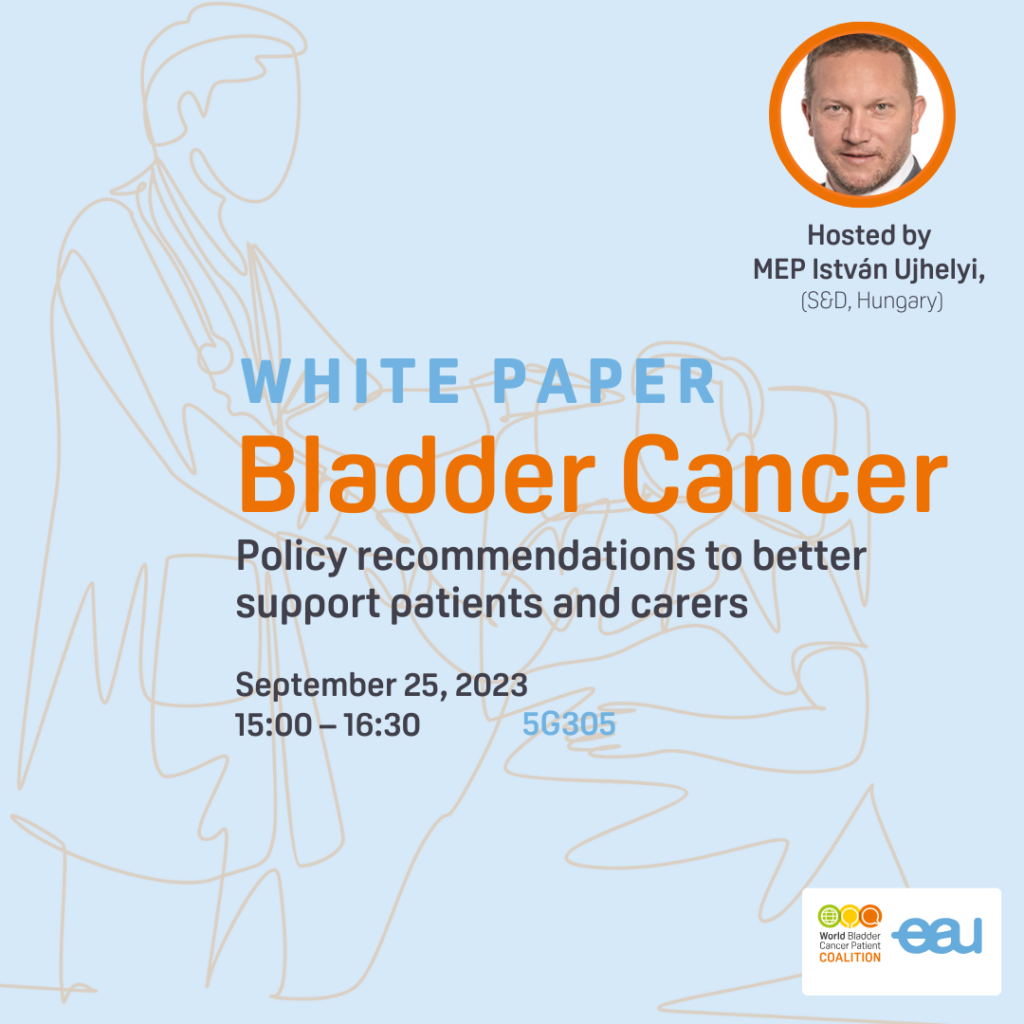
At this pivotal moment in European legislation, and as we approach the European Parliament Elections in 2024, the World Bladder Cancer Patient Coalition and the European Association of Urology are excited to host a policy roundtable for the launch of the White Paper on Bladder Cancer.
We are honored to have MEP István Ujhelyi as our host for the event which will take place on September 25, 2023, from 15:00 to 16:30 CEST in room 5G305 at the European Parliament in Brussels,

During Bladder Cancer Awareness Month, our member, Fight Bladder Cancer‘s dedicated volunteers, patients, and staff embarked on a journey to Westminster. This dynamic endeavour continued their ongoing commitment to thrust bladder cancer into the spotlight of the parliamentary agenda.
The event aimed to raise awareness and garner attention for bladder cancer on a larger platform. Through this initiative, the organisation sought to highlight the challenges faced by bladder cancer patients,

Bladder Cancer is the 10th most commonly diagnosed cancer in the world with 570,000 people diagnosed each year. Around the world, the 1.7 million people living with the condition have their own journeys and personal bladder cancer stories to share.
This year the World Bladder Cancer Patient Coalition (WBCPC) wants to spark conversations that raise awareness about the disease by highlighting the symptoms of bladder cancer and overcoming any barriers to seeking medical advice during Bladder Cancer Awareness Month.

Our member, Bladder Cancer Canada (BCC), has launched a new monthly giving program, the BCC 12in 1 League, to recognise the impact of their monthly donors.
There are many benefits to becoming a member of Bladder Cancer Canada:
- They provide meaningful support to bladder cancer patients throughout their diagnosis.
- You can increase, decrease, or pause your gift.
- Your membership ensures reliable support that helps BCC plan and ensures bladder cancer patients,
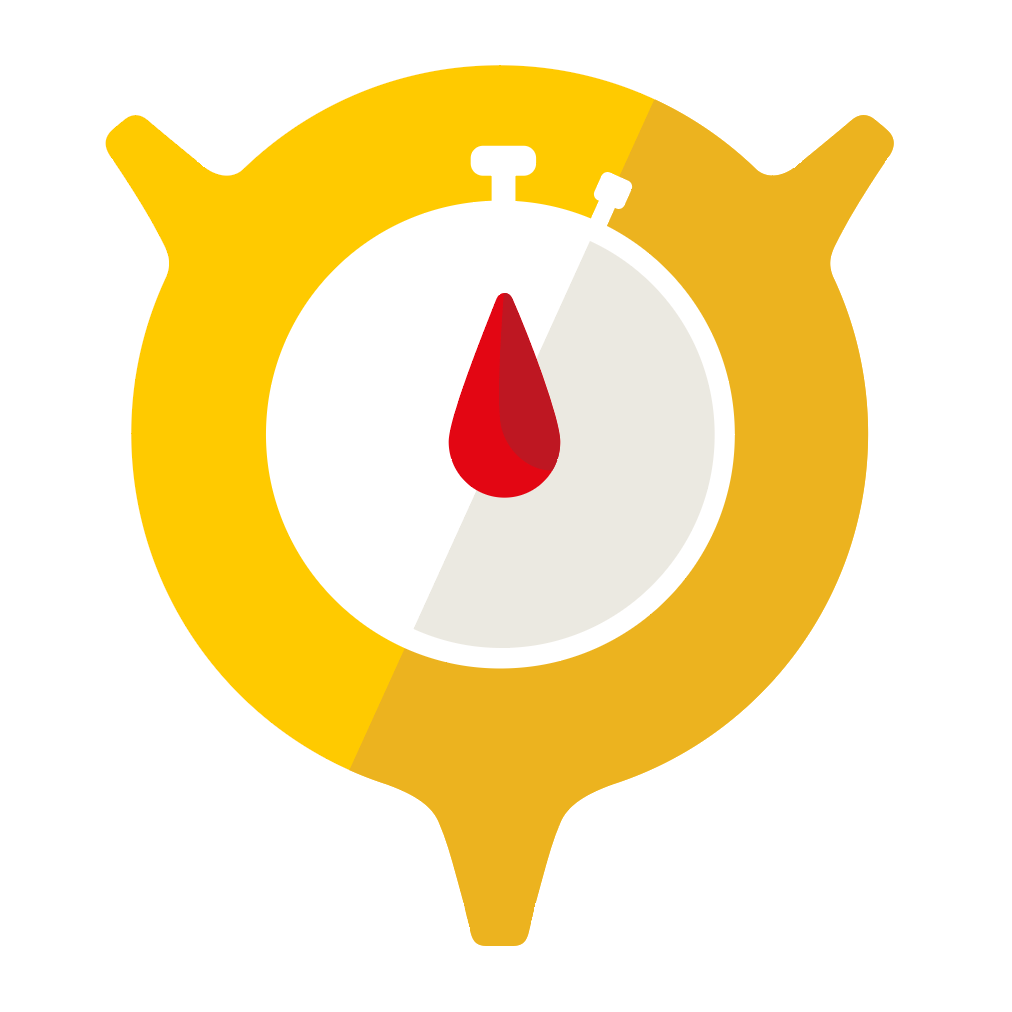
With the initiative to raise awareness about bladder cancer and provide support to those affected by it, the World Bladder Cancer Patient Coalition in collaboration with the graphic designer Noma Bar has created an “unsure Icon”. This illustrative symbol aims to shed light on the challenges faced by people affected by bladder cancer, whilst also encouraging conversations and understanding within the global community.
Bladder cancer, often referred to as the “forgotten cancer”,

Our member, Campaigning for Cancer (C4C) has joined forces with the app-based Siyaphambili Cashless Taxi Association and Uber to facilitate easier access to medical facilities and cancer treatment centers nationwide.
Cancer treatment appointments often come with not just the time commitment, but also added expenses. This can pose a risk of loss of income for the patient or their caregiver. In many instances, families face the harrowing choice between buying food or availing treatment.