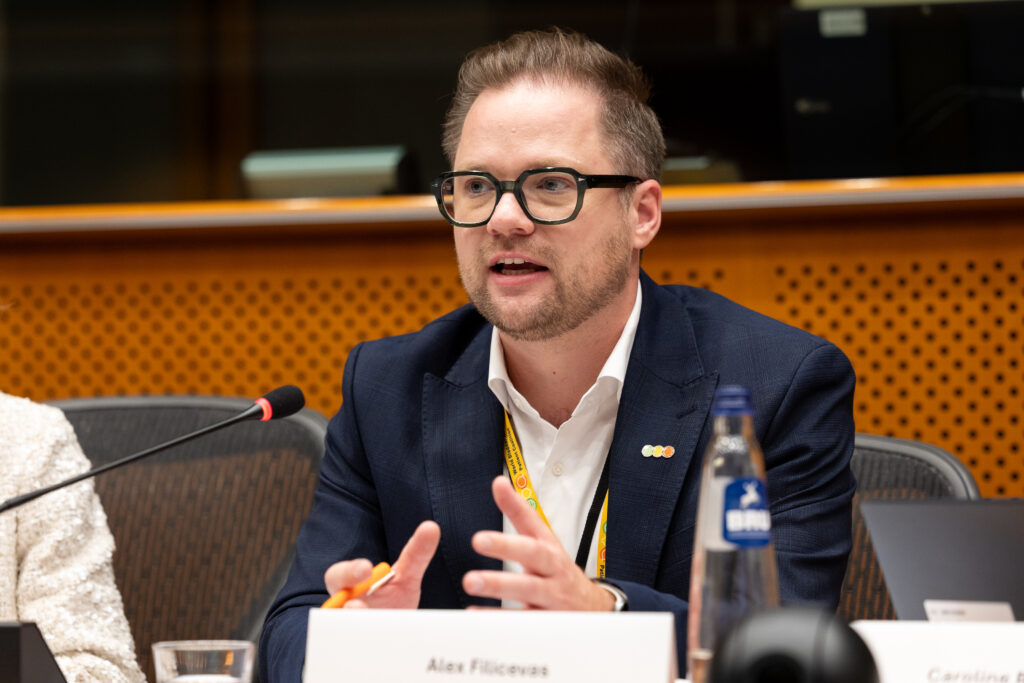
Today, our Executive Director, Alex Filicevas, co-moderated a high-level event at the European Parliament in Brussels, hosted by All.Can International. The event brought together Members of the European Parliament, health system experts, researchers, and patient advocates to address a question that sits at the heart of our work: what does it actually take to make cancer care work for the person receiving it?
The timing could not have been more important.
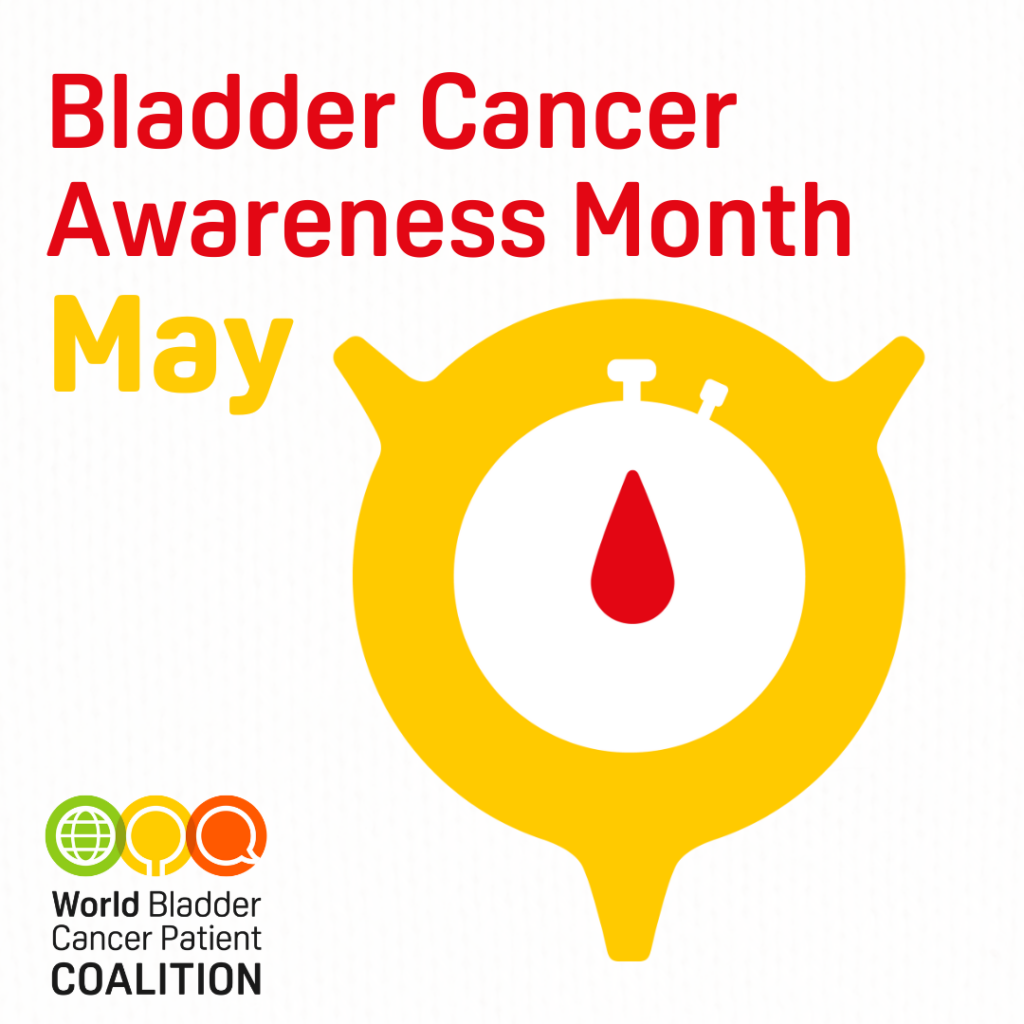
Throughout May, communities worldwide have been actively raising awareness about bladder cancer. Through social media initiatives, local events, and walks, and the Unsure Icon, organisations have helped guide those affected by bladder cancer to resources and support.
This May also marks the final year of our three year global awareness campaign, “Feeling Unsure? Get Checked.” Over these three years, the campaign has urged individuals not to dismiss symptoms or wait for them to escalate,
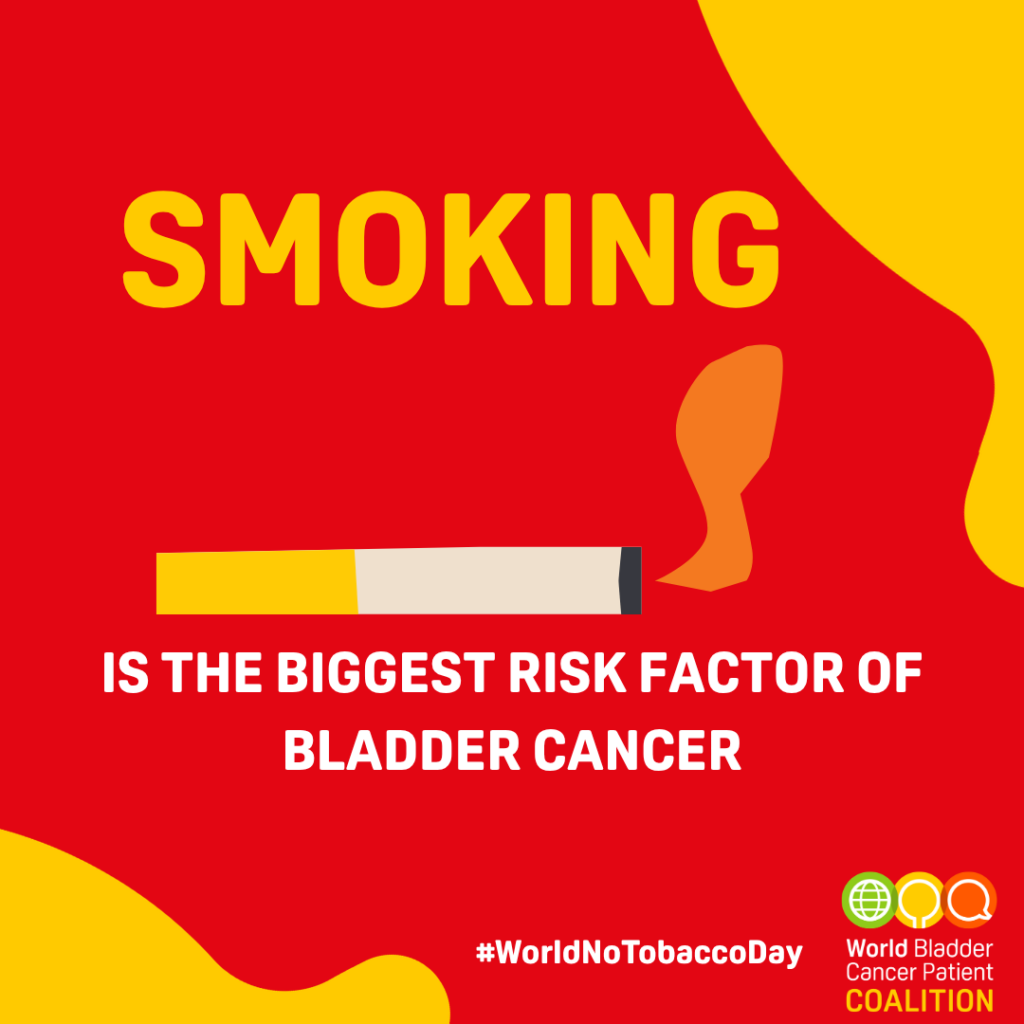
May 31, 2026 is World No Tobacco Day. Tobacco use ranks among the world’s leading causes of death. The World Health Organization (WHO) estimates that more than 8 million deaths per year are attributed to tobacco use, including more than 1.2 million deaths among nonsmokers exposed to secondhand smoke.
Around the world, over 610,000 people are diagnosed with bladder cancer, 1.9 million people find themselves living with this condition and it is the 13th cause of death from cancer globally.
Bladder cancer is more than a clinical diagnosis. For the people living with it, it is years of treatment, repeated check-ups and a quiet emotional weight that shapes everyday life in ways rarely captured in the clinic.
On May 14, our Executive Director, Alex Filicevas, joined a panel discussion at in Washington, D.C., held ahead ofthe American Urological Association (AUA) Annual Meeting 2026. The panel brought patient advocates, clinicians and researchers together to discuss findings from a new global survey on how current standard-of-care treatments for non-muscle-invasive bladder cancer (NMIBC) affect patients’
Each year, more than 610,000 people worldwide are diagnosed with bladder cancer, yet awareness of the disease remains critically low. Too many people still do not recognise the symptoms and signs such as blood in the urine are often ignored, misunderstood, or mistaken for other conditions, delaying diagnosis and treatment.
This May marks the final year of our three-year global awareness campaign, “Feeling Unsure? Get Checked.” Throughout the campaign,
Today, at the Biosimilar Medicines Conference 2026 in Amsterdam, our Executive Director, Alex Filicevas, spoke on behalf of the bladder cancer patient community during the session “EU Biosimilar Strategy: Synergies between Horizon Scanning and Capacity Building”.
Organised by Medicines for Europe, the conference brought together all interested stakeholders from across Europeand beyond to discuss the future of biosimilar medicines and how they can help improve access for patients and strengthen healthcare systems.
May is Bladder Cancer Awareness Month 2026, and this year marks the final chapter of our three-year global campaign, “Feeling Unsure? Get Checked.”
Across the world, people affected by bladder cancer, healthcare professionals, advocates, organisations, carers, and supporters are coming together to help raise awareness of bladder cancer symptoms and encourage earlier diagnosis.
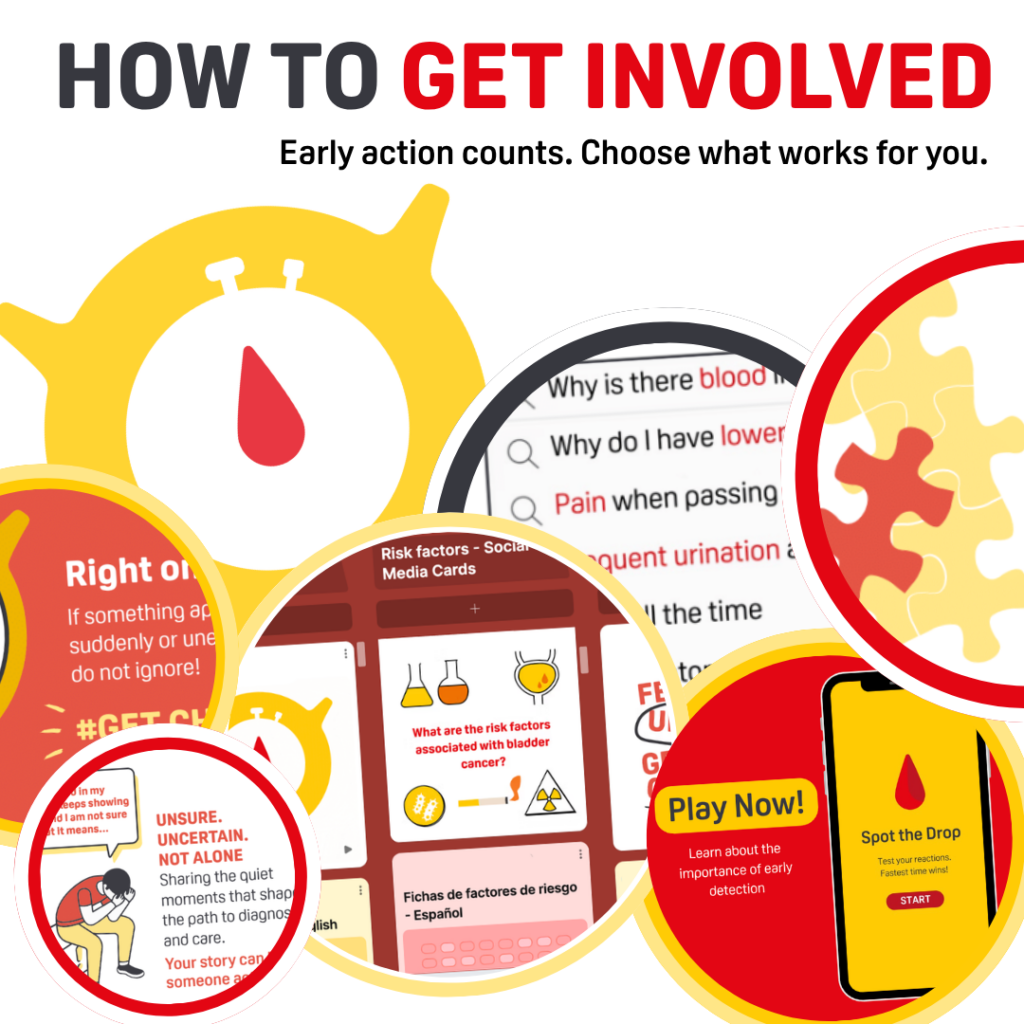
The good news? Taking part does not have to be complicated. Whether you have one minute or one hour,
This May, during Bladder Cancer Awareness Month, the World Bladder Cancer Patient Coalition (WBCPC) is inviting people around the world to take part in two new initiatives that support one simple but important message:
Feeling unsure? Get checked.
Bladder cancer symptoms, especially blood in the urine, are too often ignored, misinterpreted, or dismissed. Many people delay speaking to a healthcare professional because they feel unsure, embarrassed, or assume it is something less serious.
Today marks the start of Bladder Cancer Awareness Month 2026 and the final chapter of the global campaign Feeling Unsure? Get Checked. This campaign focuses on a simple but often overlooked reality: many people delay seeking care because symptoms feel uncertain.
“I thought it was just a UTI.”
“Blood in my urine once. That was my warning sign.”
“I didn’t know it meant bladder cancer.”
These moments of hesitation are common,