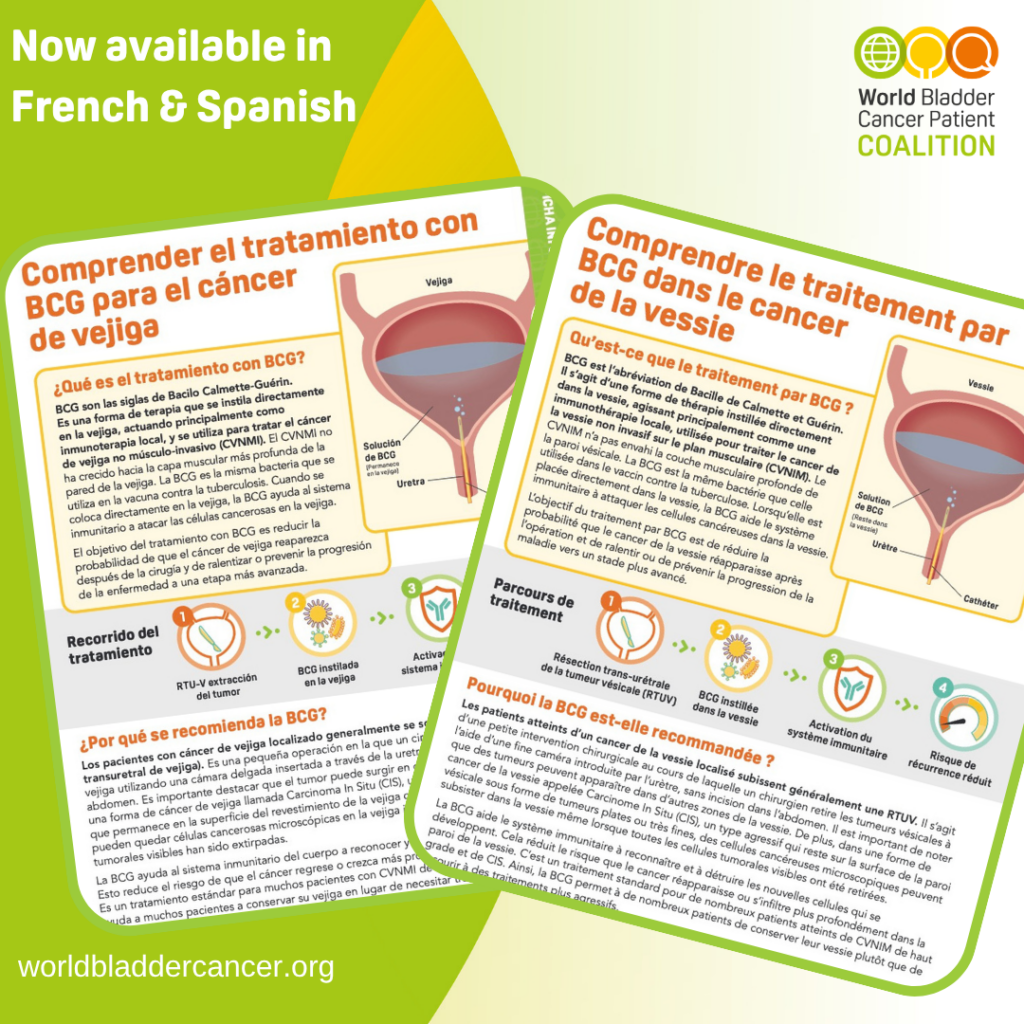
We are pleased to share that our patient information factsheet “Understanding BCG treatment for bladder cancer” is now available in Spanish and French, alongside the English version launched last month.
The factsheet is the ninth patient information factsheet in our series for patients and carers. It explains Bacillus Calmette-Guérin (BCG), one of the most common treatments for non-muscle-invasive bladder cancer (NMIBC), in clear and simple terms.
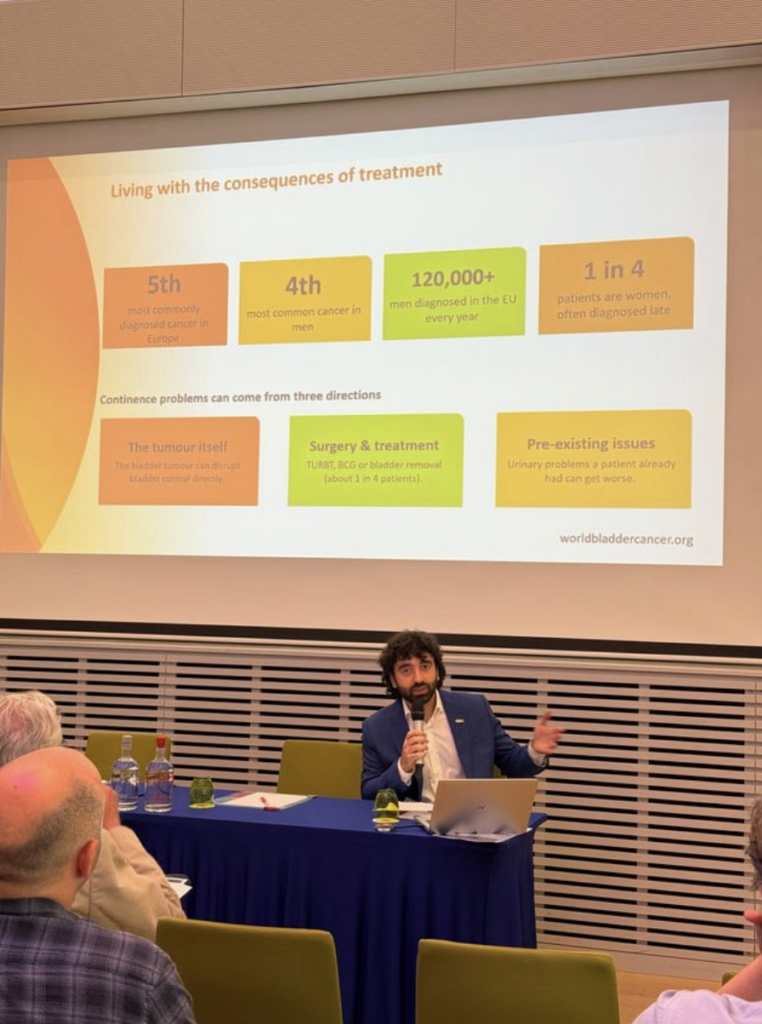
Our Project Coordinator, Theodoros Yfantis, spoke in Brussels at the event “Unseen, Uncounted, Unaddressed: The Case for Continence Health in EU Policy”, organised by the European Association of Urology (EAU) on June 24, 2026, as part of the Urge to Act campaign and hosted by MEP Tomislav Sokol.
The event brought together patient organisations, European Commission representatives and healthcare professionals to make the case for continence as a health policy priority.
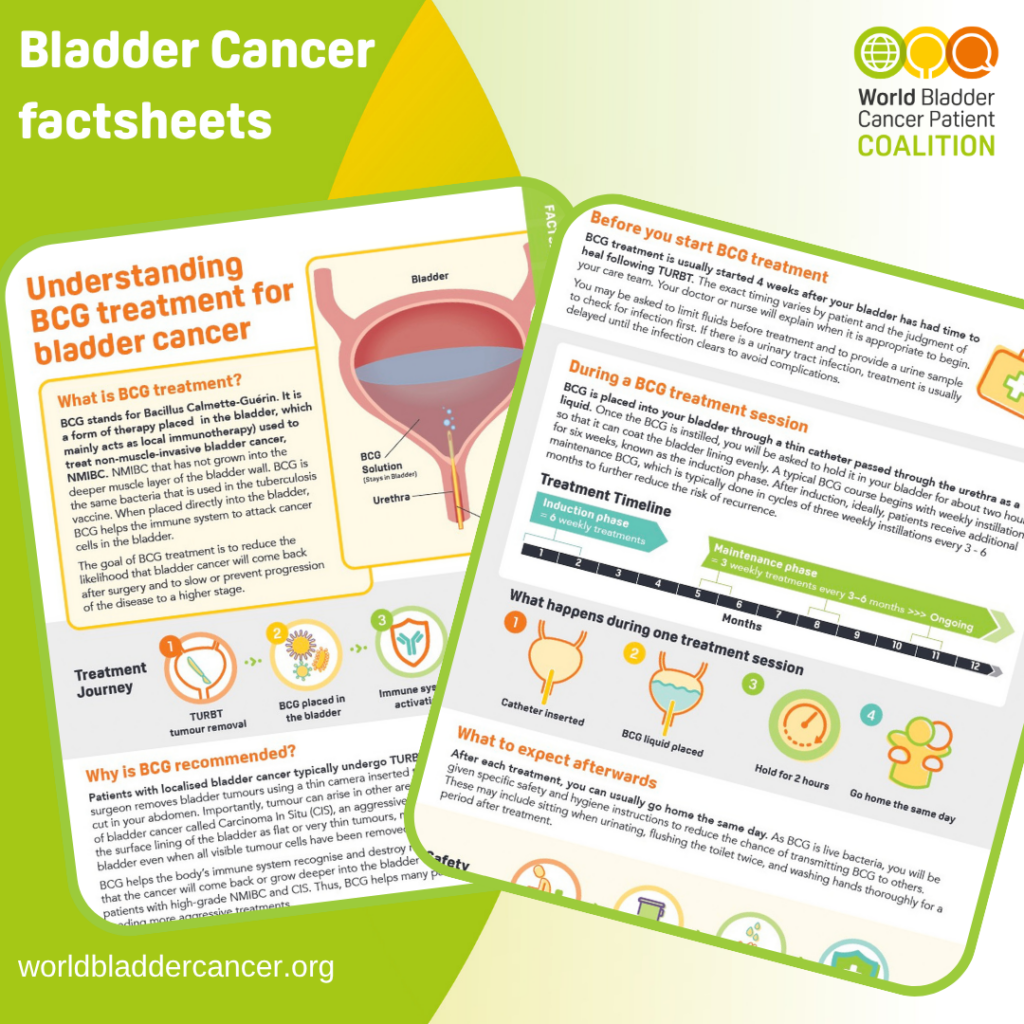
We are pleased to launch a new factsheet titled “Understanding BCG treatment for bladder cancer”, the third in our series of patient factsheets. This resource is designed to help people affected by bladder cancer, together with their carers, understand Bacillus Calmette-Guérin (BCG), one of the most widely used treatments for non-muscle-invasive bladder cancer (NMIBC).
The factsheet is developed as a decision-aid tool to help people newly diagnosed with bladder cancer have an informed conversation with their treating doctor or nurse.
By Prof Bente Thoft Jensen, Prof Shingai Mutambirwa and Alessandro Boni.
Bladder cancer affects the very organ responsible for storing urine and controlling when and how we pass it. So it should come as no surprise that many people living with this disease face real challenges with bladder and bowel control. And yet this is one of the last things that gets talked about, in clinics, in research and in public.

Our Executive Director, Alex Filicevas, recently sat down with Dr Ashish Kamat, MD, Chair of the WBCPC Scientific Advisory Board, for a conversation with UroToday and GU OncToday at the American Urological Association Annual Meeting (AUA2026) in Washington DC. Together, they discussed new findings from the recently published Bladder Cancer Burden Survey, and what the data reveals about the real impact of bladder cancer treatment on the lives of patients.
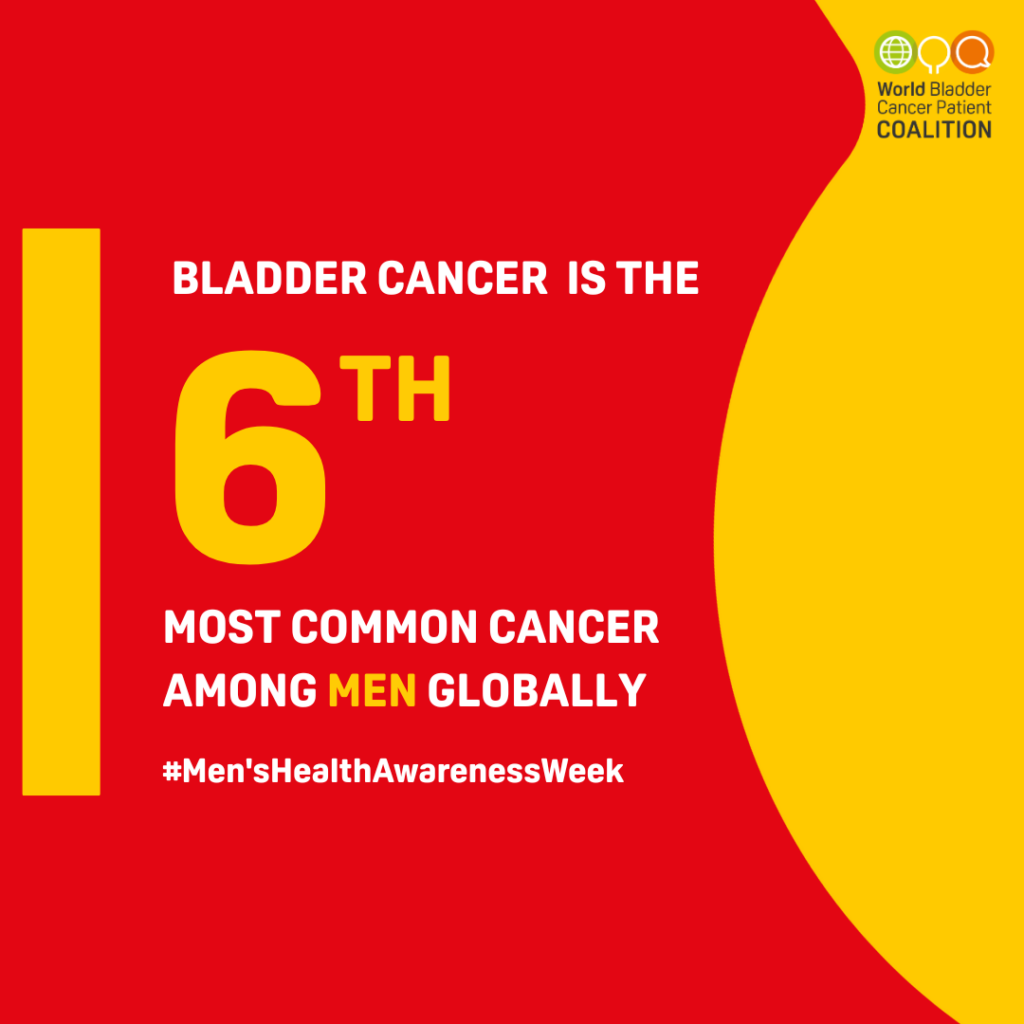
Each year in June, Men’s Health Week brings global attention to the health challenges men face, while encouraging action and awareness for better well-being. Running from 15 to 21 June 2026, this year we join the conversation to shine a light on bladder cancer – a disease that disproportionately affects men, but remains under-recognised.
Bladder cancer is the sixth most common cancer among men worldwide. Men are four times more likely than women to be diagnosed with the disease in their lifetime.
Today marks the start of World Continence Week 2026, running from 15 to 21 June. For the millions of people affected by bladder cancer, this week is a powerful reminder that urinary symptoms are not something to simply endure in silence.
Urinary incontinence is one of the most commonly reported side-effects of bladder cancer treatment, yet it remains one of the least discussed. Troublesome urinary symptoms, including burning and irritation when peeing, accidental leakage,
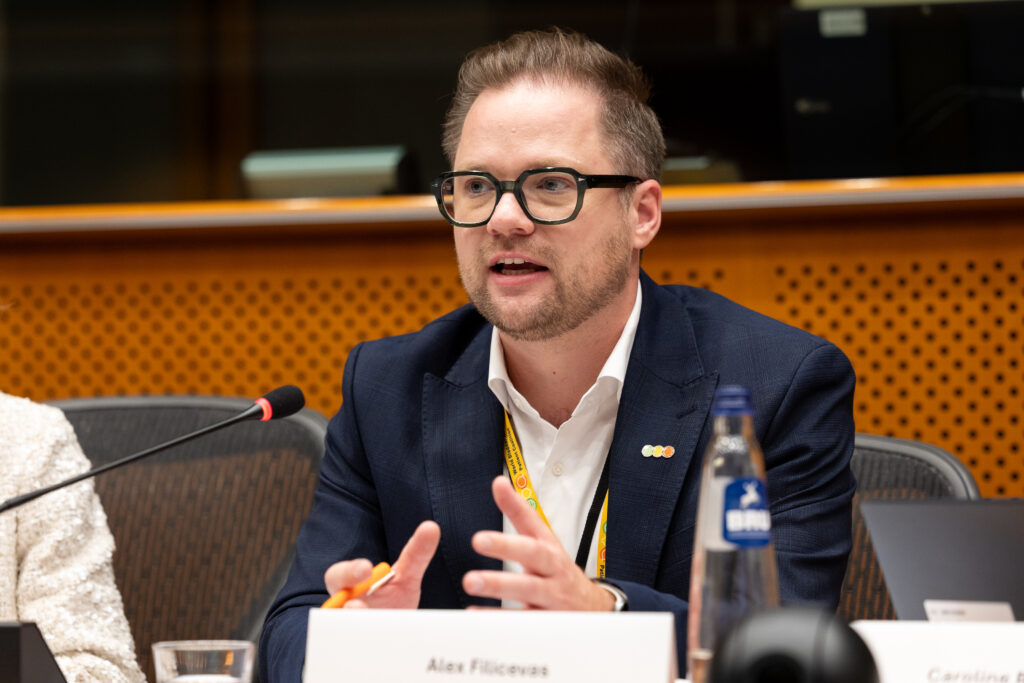
Today, our Executive Director, Alex Filicevas, co-moderated a high-level event at the European Parliament in Brussels, hosted by All.Can International. The event brought together Members of the European Parliament, health system experts, researchers, and patient advocates to address a question that sits at the heart of our work: what does it actually take to make cancer care work for the person receiving it?
The timing could not have been more important.