We have released our 2024 Annual Report, offering a comprehensive look into a year of global expansion, deepening impact, and powerful patient-led advocacy. From the launch of a new community platform to the most engaging awareness campaign to date, the coalition’s work continues to elevate the voices of people affected by bladder cancer worldwide.
2024 at a glance:
- 62 countries took part in Bladder Cancer Awareness Month (BCAM)
- 12+ million people reached,
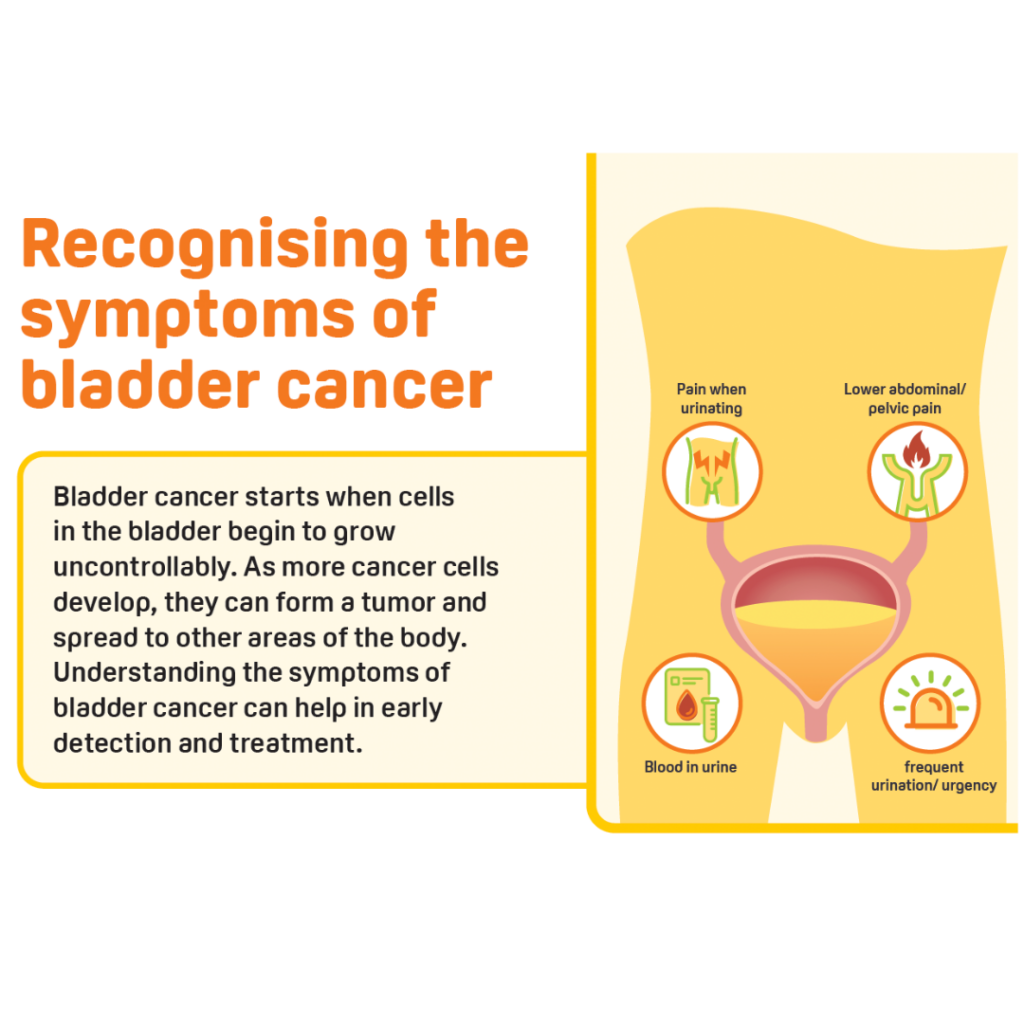
We launched our latest resource in the WBCPC Factsheet Series: “Recognising the Symptoms of Bladder Cancer”. This factsheet is designed to help people better understand the early signs of bladder cancer, encouraging timely consultation with healthcare professionals.
Bladder cancer is one of the most common cancers worldwide, yet awareness of its symptoms remains low. Early detection significantly improves treatment outcomes, and this resource was developed to empower everyone, including patients,
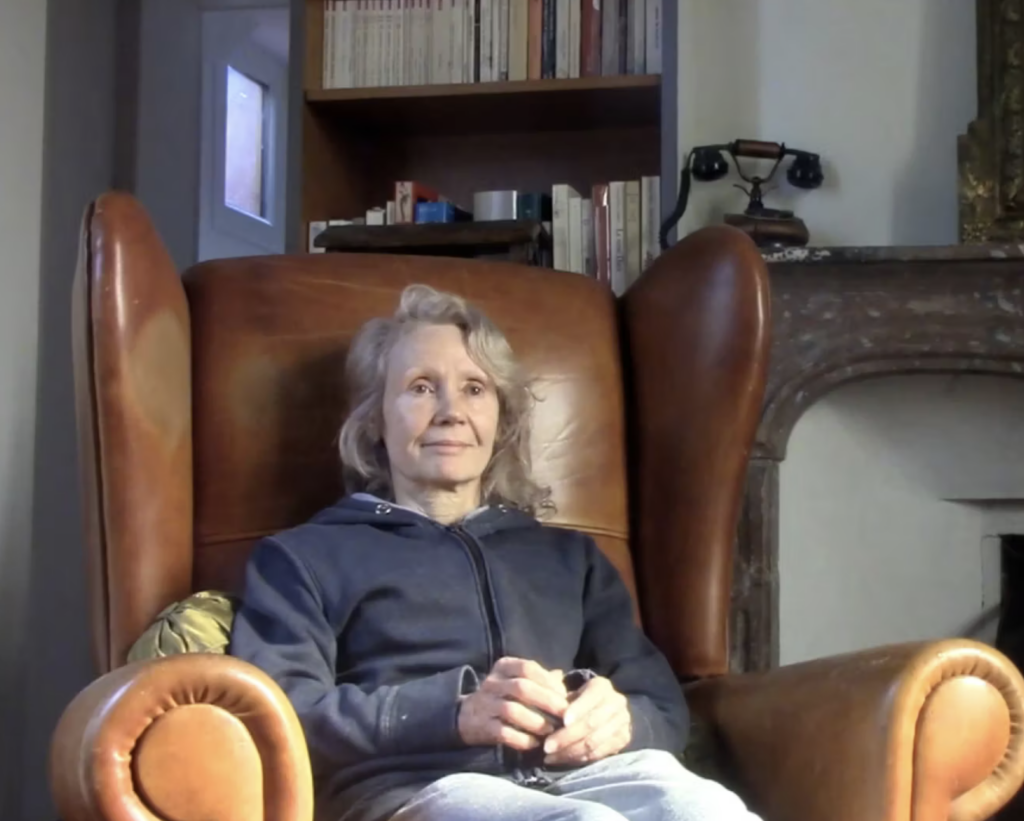
Bladder cancer affects nearly 1.9 million people worldwide, each with their own story. Today, we share the perspective of Rebekka, whose father, the Swiss author and professor Peter Noll, was diagnosed with bladder cancer in 1981. What followed was a deeply personal journey marked by choice, dignity, and one daughter’s quiet support.
Peter was 55 years old when he received his diagnosis. A respected legal scholar and public figure in Switzerland,
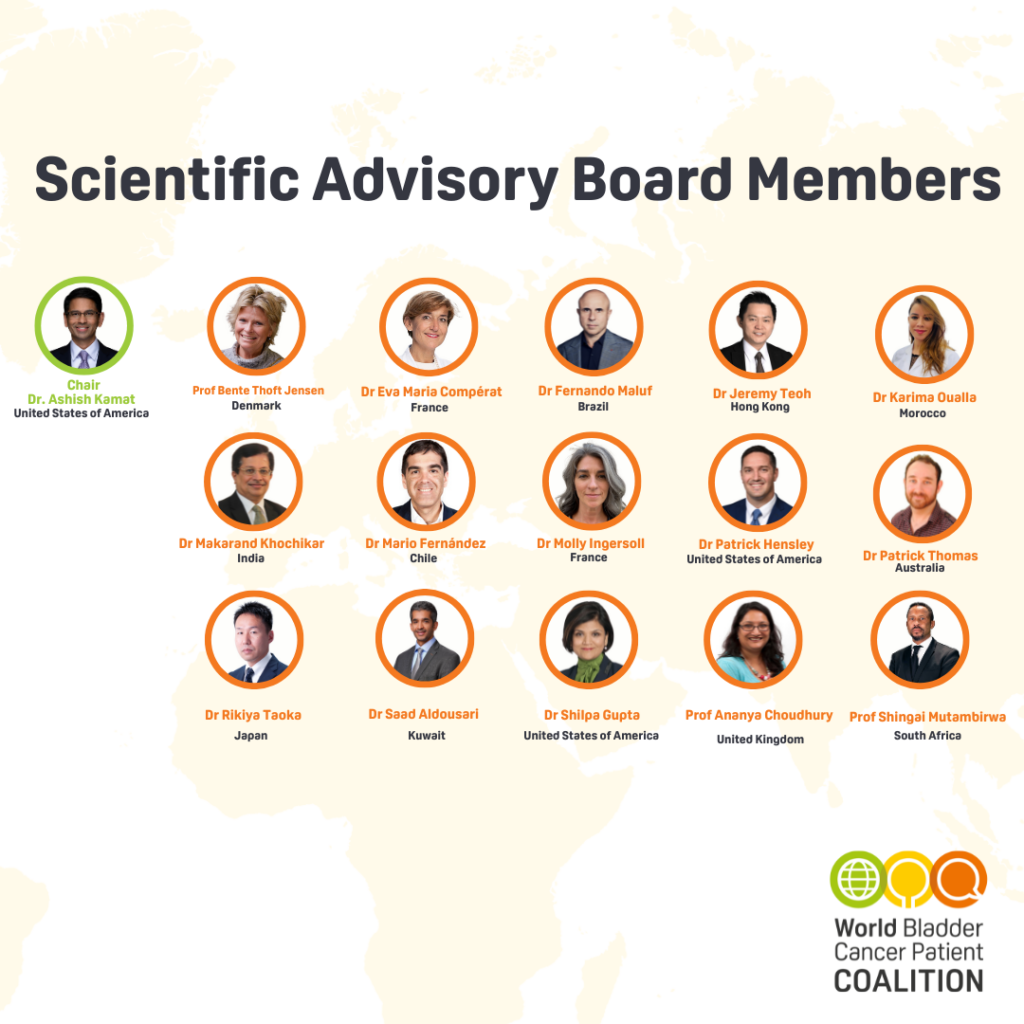
The World Bladder Cancer Patient Coalition is proud to announce the launch of its first Scientific Advisory Board (SAB) a significant step forward in our efforts to ensure all our work is grounded in the latest medicaland scientific expertise and the real needs of people affected by bladder cancer.
Comprised of leading urologists, oncologists, radiotherapists, researchers, pathologists, nurses, and other medical professionals from around the world, the SAB will provide independent advice to the WBCPC Board of Directors and senior leadership.
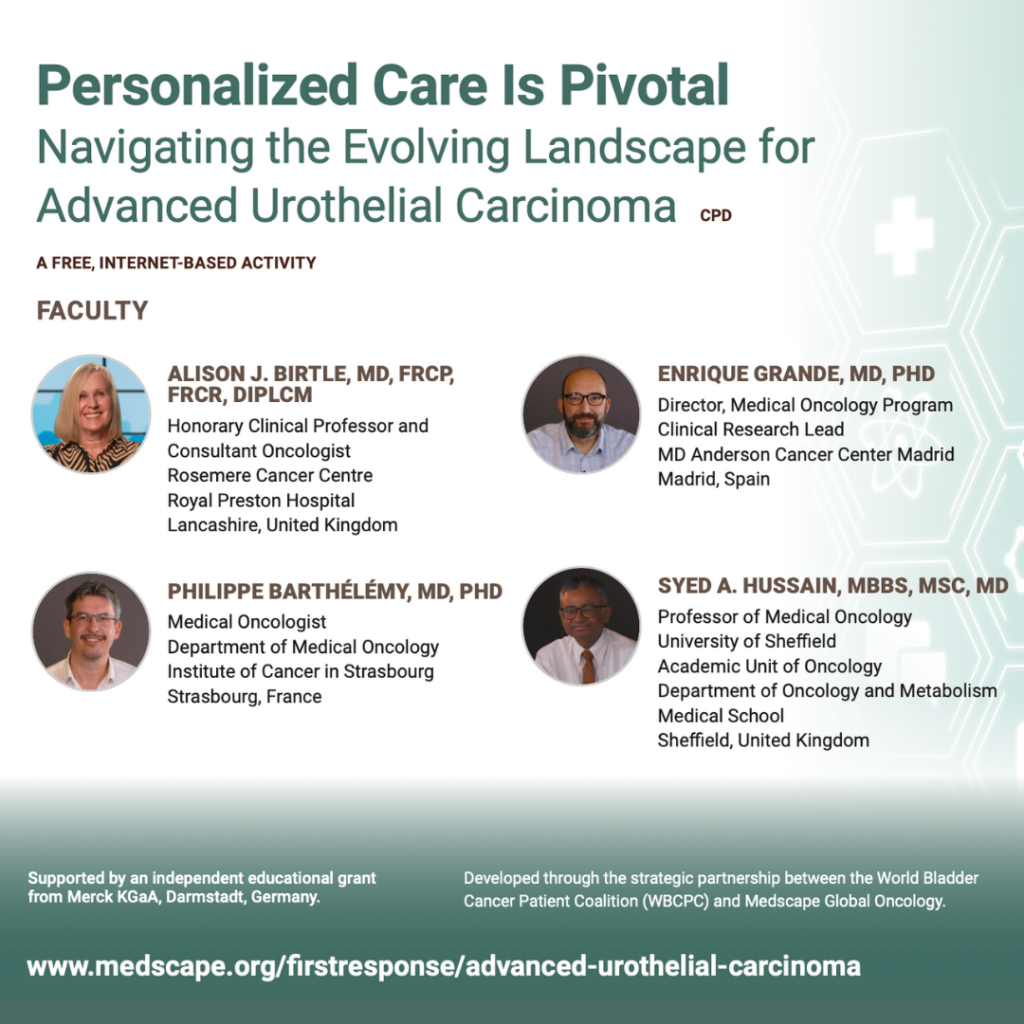
We are pleased to announce the release of a new educational course developed in collaboration with Medscape, now available to healthcare professionals globally.
Titled “Personalized Care is Pivotal: Navigating the Evolving Landscape for Advanced Urothelial Carcinoma” this free, CME-accredited course is designed to support oncologists, urologists, nurses, and allied healthcare professionals in delivering more individualised and person-centred care for people living with advanced bladder cancer.
The programme features a 45-minute interactive learning activity,
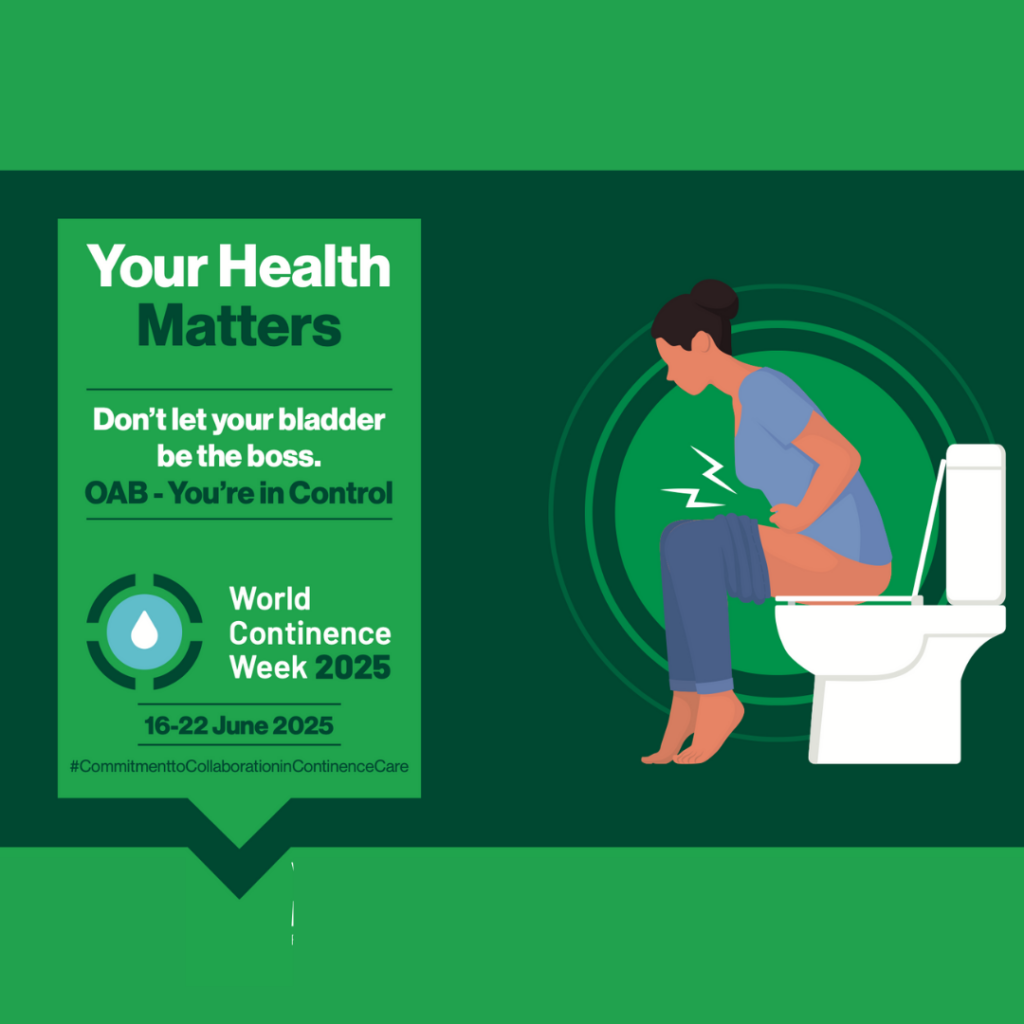
As a global initiative, World Continence Week aims to raise awareness of bladder and bowel issues, chronic pelvic pain, and other conditions that impact the lives of patients and carers.
Urinary incontinence impacts people affected by bladder cancer. Troublesome urinary symptoms such as burning and irritation when peeing or incontinence issues after treatment are common side-effects. Urinary incontinence is also called loss of bladder control. It is an involuntary loss of urine or the inability to control urination.
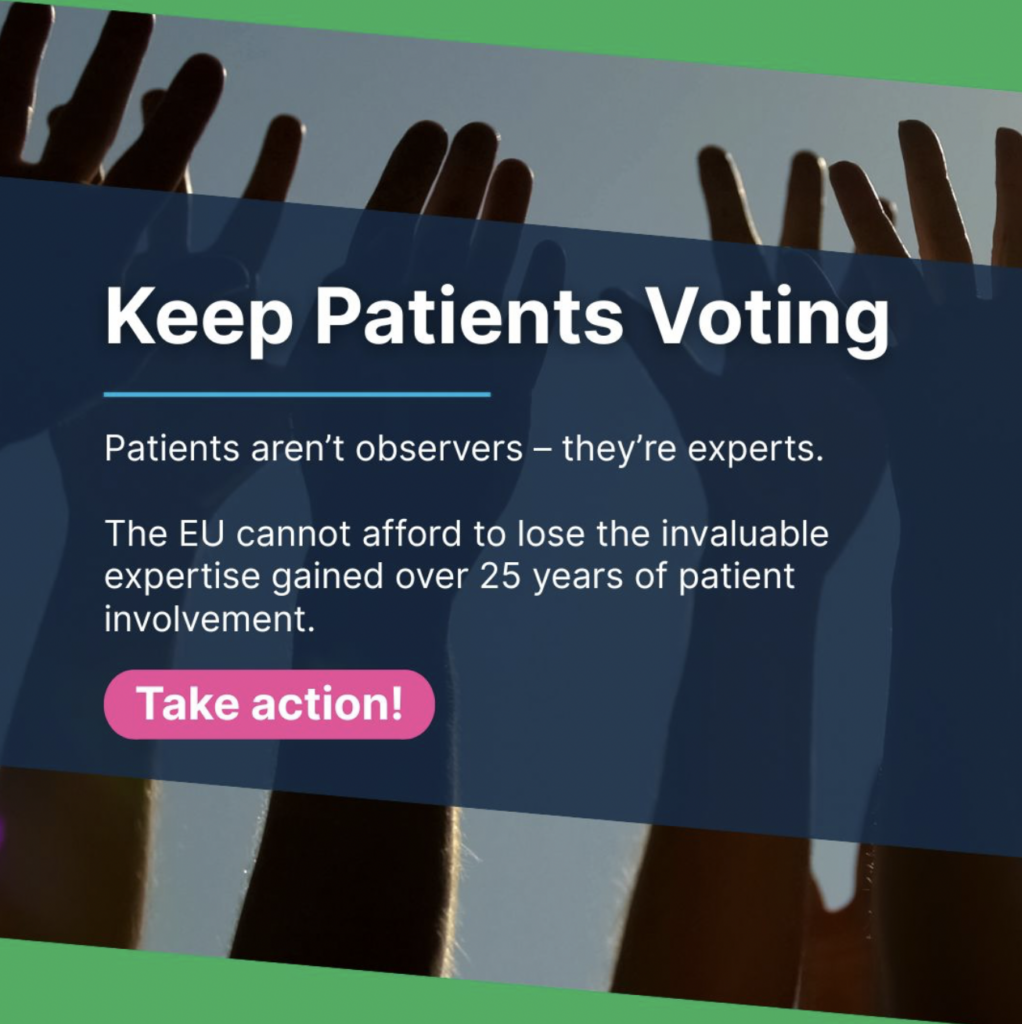
Earlier this month, the World Bladder Cancer Patient Coalition co-signed a joint statement led by EURORDIS and the European Patients’ Forum (EPF), calling for meaningful patient involvement and the protection of voting rights in European Medicines Agency (EMA) committees.
This united action comes at a key moment as EU institutions negotiate the final shape of the new pharmaceutical legislation. The statement highlights the need to preserve and strengthen patient representation,