Symptoms & risk factors
Knowing the symptoms of bladder cancer could save your life. Bladder cancer is often caught early, and survival rates can reach up to 90% when it is; but only if symptoms are recognised and acted on promptly.
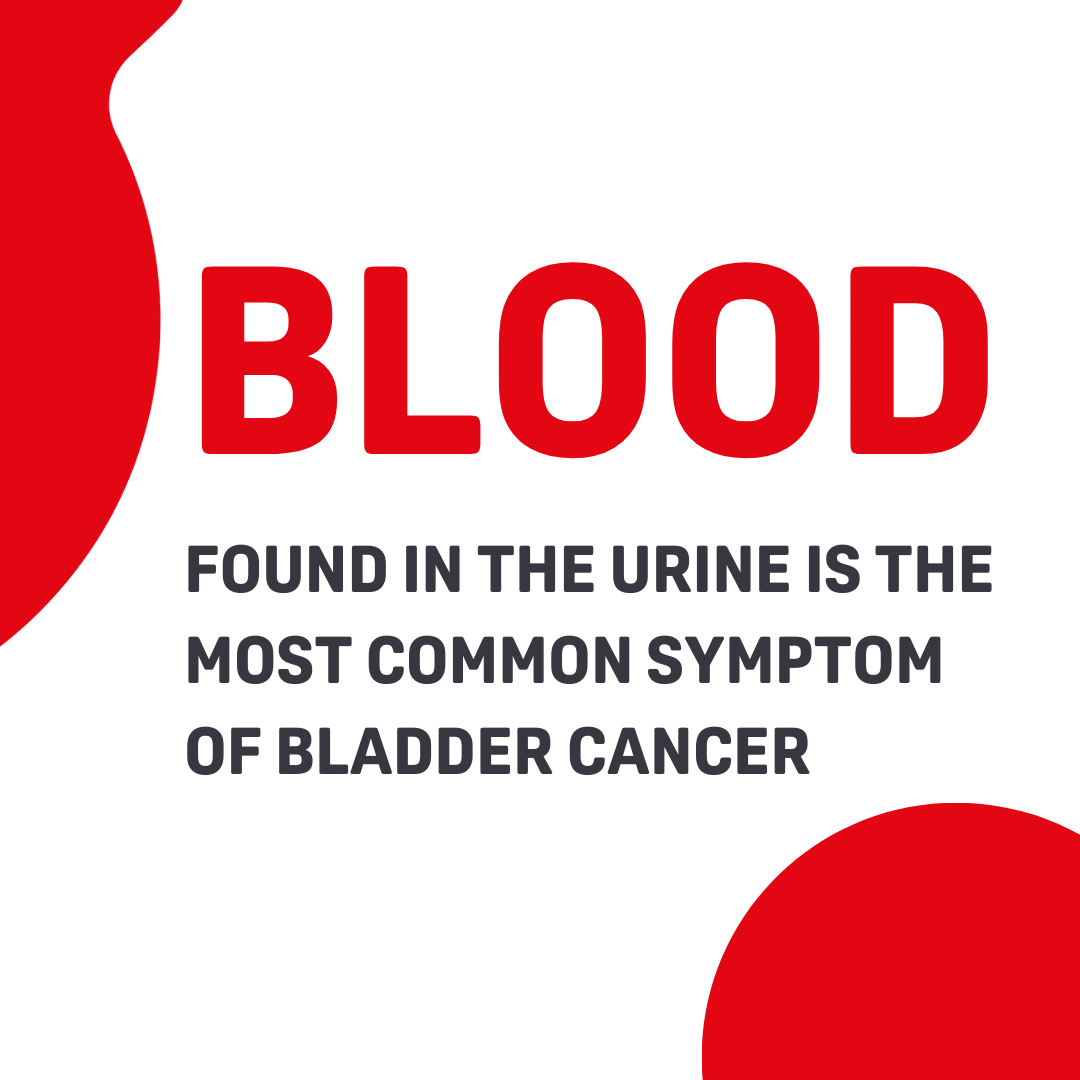
The most common symptom: blood in the urine
Around 8 in 10 people with bladder cancer first notice blood in their urine. This is called haematuria. It may make the urine appear pink, red, rust-coloured, or even dark brown, like cola. Sometimes, although much more rarely, the blood is only detectable in a laboratory test and cannot be seen with the naked eye.
Blood in the urine can come and go. It may appear once and then disappear for weeks or months, which can make people think the problem has gone away. It has not. If you have seen blood in your urine even once, or if a test has found blood you could not see yourself, please see a doctor straight away.
Other common symptoms
As well as blood in the urine, people with bladder cancer may experience:
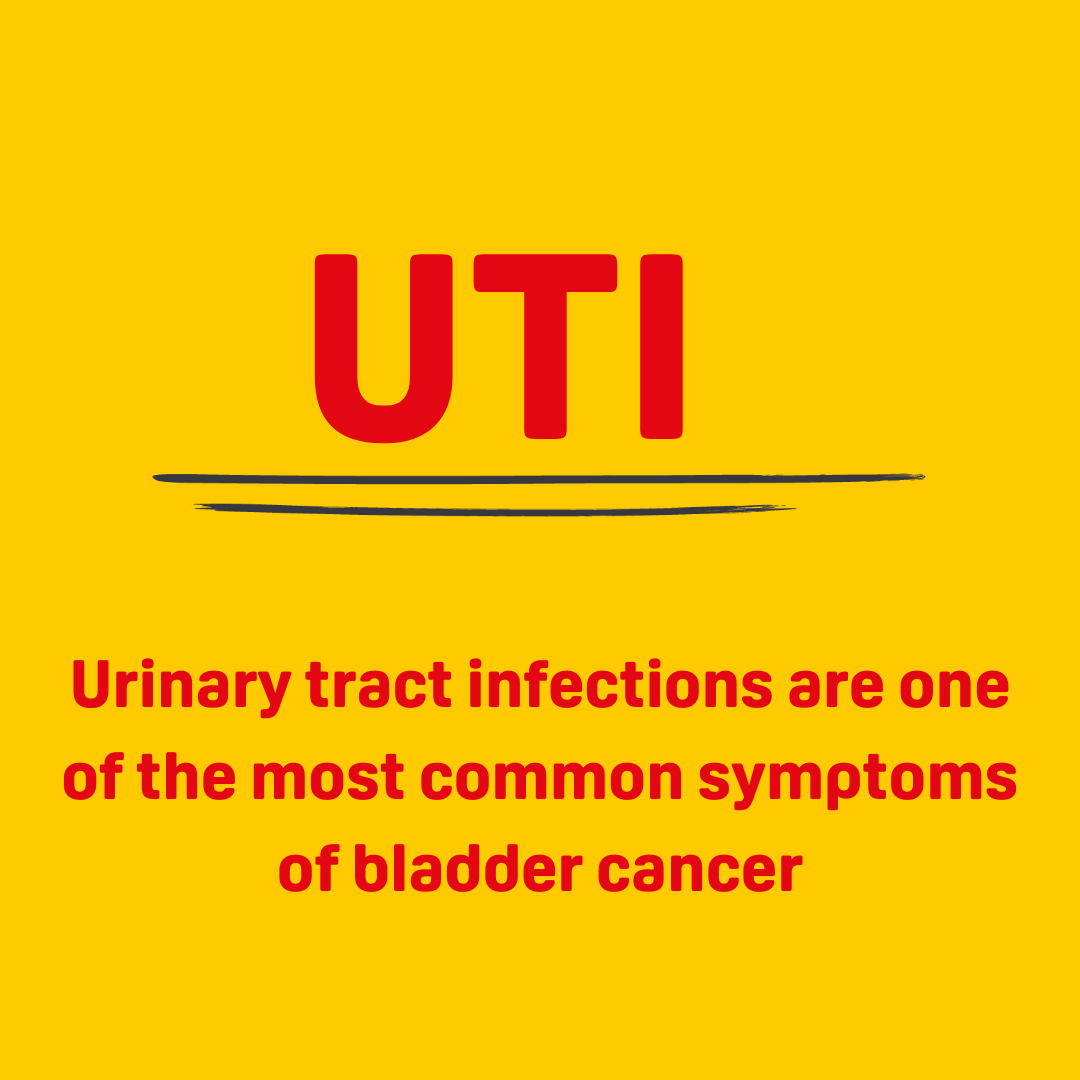
- Pain or burning when passing urine: sometimes confused with a urinary tract infection (UTI)
- Needing to urinate much more often than usual, including during the night
- A sudden, urgent need to urinate
- Pain in the lower abdomen or pelvis
- Unusual tiredness or lack of energy
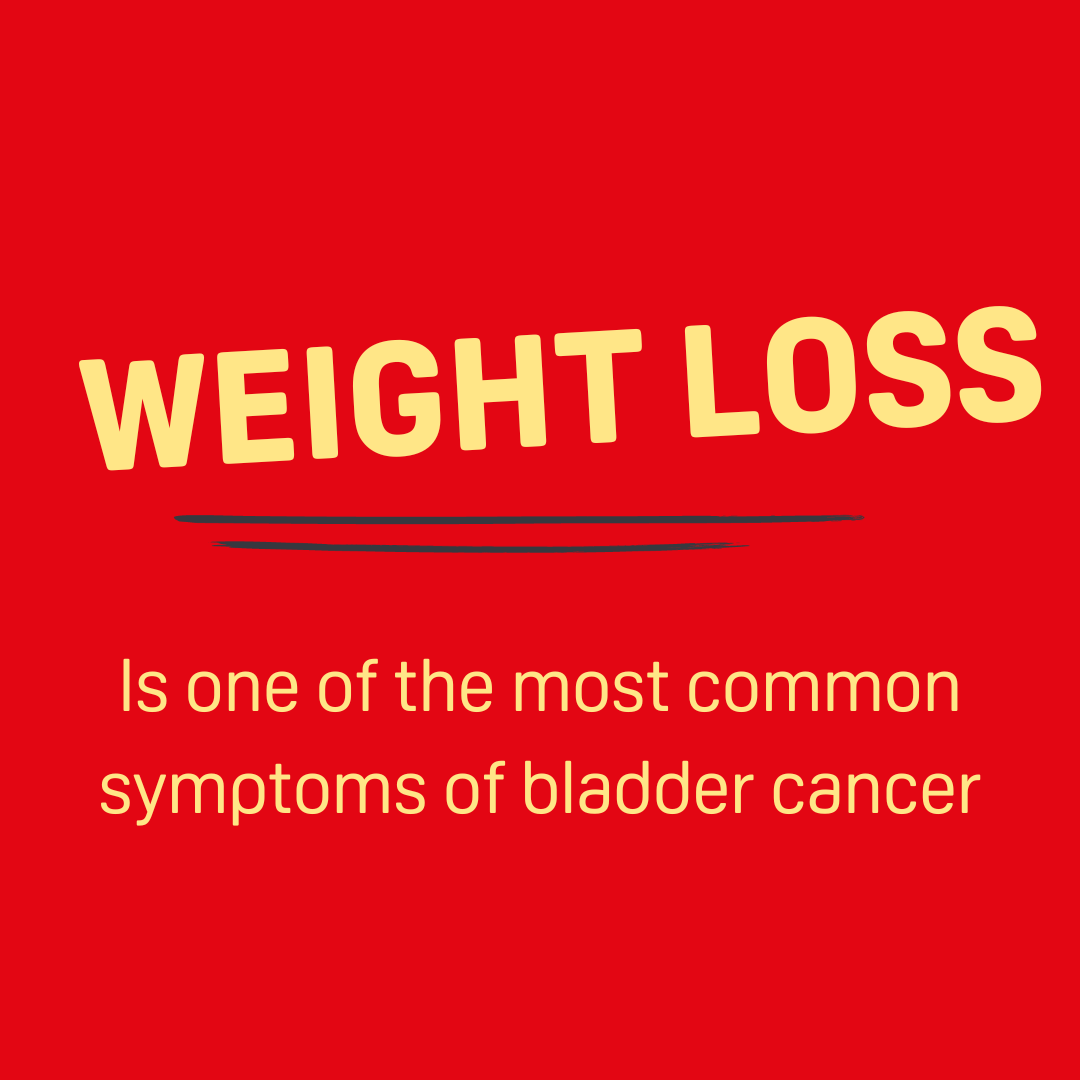
- Unexplained weight loss
Less common symptoms
In more advanced cases, bladder cancer can also cause:
- Persistent pain in the lower back or sides
- Pain in the bones
- Difficulty controlling the bladder
Many of these symptoms are also associated with other, less serious conditions. But bladder cancer symptoms are frequently overlooked or put down to an infection, which can lead to delays in diagnosis. If in doubt, get checked.
Risk factors for bladder cancer
Bladder cancer can affect anyone. However, some factors are known to increase the chances of developing it.
The biggest risk factor: smoking
Smoking is the most significant avoidable risk factor for bladder cancer. People who smoke are at least three times more likely to develop the disease than non-smokers. The chemicals in tobacco enter the bloodstream, are filtered by the kidneys, and then concentrate in the urine — which sits in contact with the bladder lining for hours at a time.
Quitting smoking at any point reduces your risk. If you are a current smoker, speak with your doctor about support to quit.
Exposure to chemicals at work
People who work or have worked in certain industries face a higher risk due to exposure to industrial chemicals. Industries associated with elevated risk include dye manufacturing, rubber and plastics, leather and textiles, and paint and printing. If you work with chemicals, always follow safety guidelines and use protective equipment.
Other risk factors
- Age: The risk of bladder cancer increases with age, though it can occur at any age.
- Sex: Men are more commonly diagnosed with bladder cancer, but women are often diagnosed at a later stage, which affects their prognosis.
- Previous radiotherapy: Radiation treatment for other pelvic cancers can increase the risk of bladder cancer.
- Chronic bladder inflammation: Repeated urinary tract infections or long-term catheter use can irritate the bladder lining over time.
- Parasitic infections: In some parts of the world, an infection called schistosomiasis is associated with a particular type of bladder cancer.
- Family history: A family history of bladder cancer may slightly increase your risk.
How to reduce your risk
- Stop smoking: this is the single most effective step you can take.
- Stay well hydrated: drinking plenty of water dilutes urine and may help flush potential carcinogens more quickly.
- Eat a varied diet with plenty of fruits and vegetables. Some research suggests this may reduce bladder cancer risk.
- Follow safety regulations at work, including wearing protective equipment when handling chemicals.
See your doctor promptly if you have any persistent urinary symptoms.
Bladder cancer facts
The most common symptom
More Information
We understand that you may have more questions about bladder cancer. We encourage to explore the resources of our member organisations, who have developed a range of patient information materials.Common symptoms
More Information
We understand that you may have more questions about bladder cancer. We encourage to explore the resources of our member organisations, who have developed a range of patient information materials.Common symptoms
More Information
We understand that you may have more questions about bladder cancer. We encourage to explore the resources of our member organisations, who have developed a range of patient information materials.Common symptoms
More Information
We understand that you may have more questions about bladder cancer. We encourage to explore the resources of our member organisations, who have developed a range of patient information materials.Common symptoms
More Information
We understand that you may have more questions about bladder cancer. We encourage to explore the resources of our member organisations, who have developed a range of patient information materials.Common symptoms
More Information
We understand that you may have more questions about bladder cancer. We encourage to explore the resources of our member organisations, who have developed a range of patient information materials.Common symptoms
More Information
We understand that you may have more questions about bladder cancer. We encourage to explore the resources of our member organisations, who have developed a range of patient information materials.