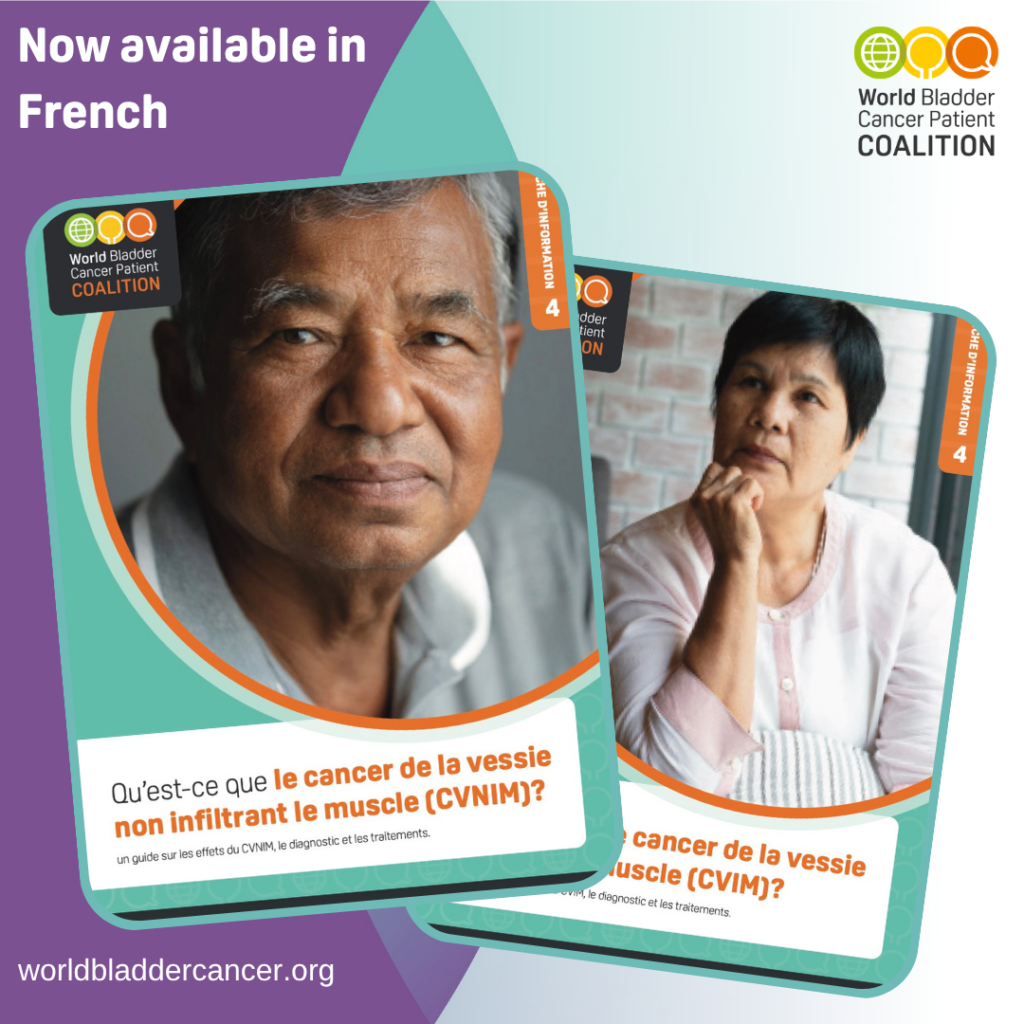
We are pleased to announce that our bladder cancer treatment factsheets are now available in French, further expanding access to trusted, patient-friendly information for French-speaking individuals and communities worldwide.
These resources cover two key areas of bladder cancer:
Navigating a bladder cancer diagnosis and understanding treatment options can be challenging. These factsheets have been designed to present essential information in a clear and structured way,
Every year on 7 April, World Health Day draws attention to key global health priorities. The 2026 theme, “Together for health. Stand with science” highlights the importance of research, evidence and collaboration in improving health outcomes for people around the world.
At the World Bladder Cancer Patient Coalition, this message reflects the work we do every day. Scientific progress has led to improvements in the diagnosis and treatment of bladder cancer,
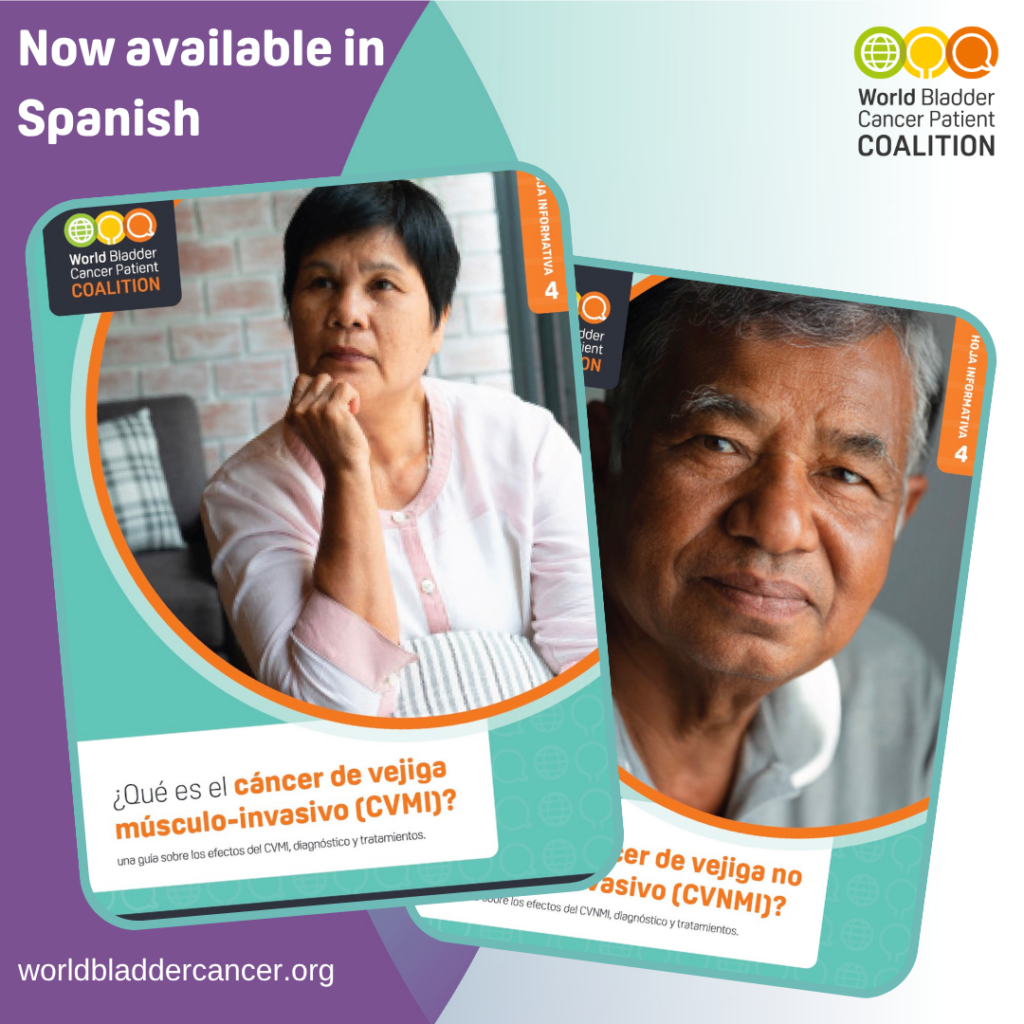
We are pleased to share that two of our bladder cancer factsheets on treatment are now available in Spanish, expanding access to reliable, patient-friendly information for Spanish-speaking communities worldwide.
These resources focus on:
Understanding bladder cancer and its treatment options can be complex. These factsheets have been developed to provide clear, structured information that helps patients and carers better understand their diagnosis,
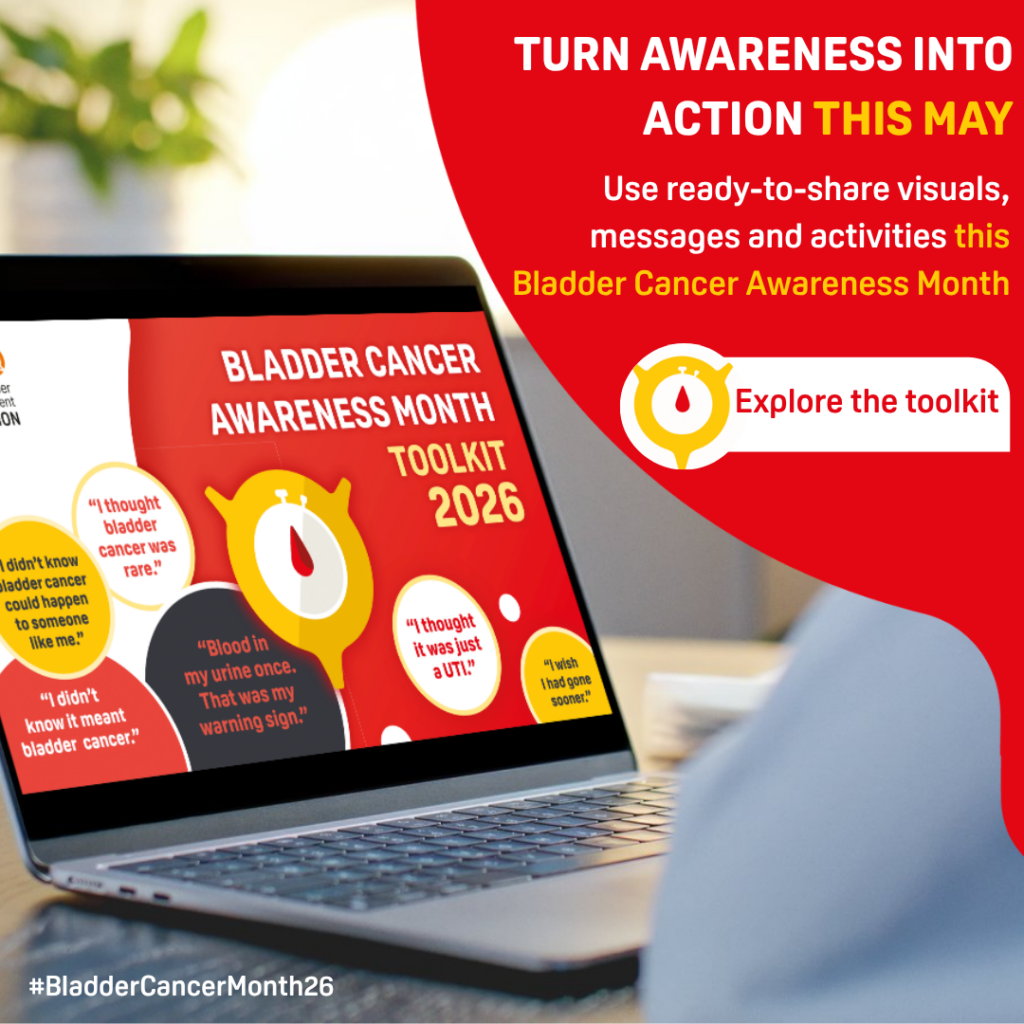
Bladder Cancer Awareness Month 2026 (BCAM26) is approaching, and we are pleased to share this year’s campaign toolkit.
This May marks the final year of our global Feeling Unsure? Get Checked campaign. Over the past three years, this initiative has focused on one key message: when something feels unusual, especially blood in the urine, it is important to seek medical advice without delay. This final year builds on that momentum,
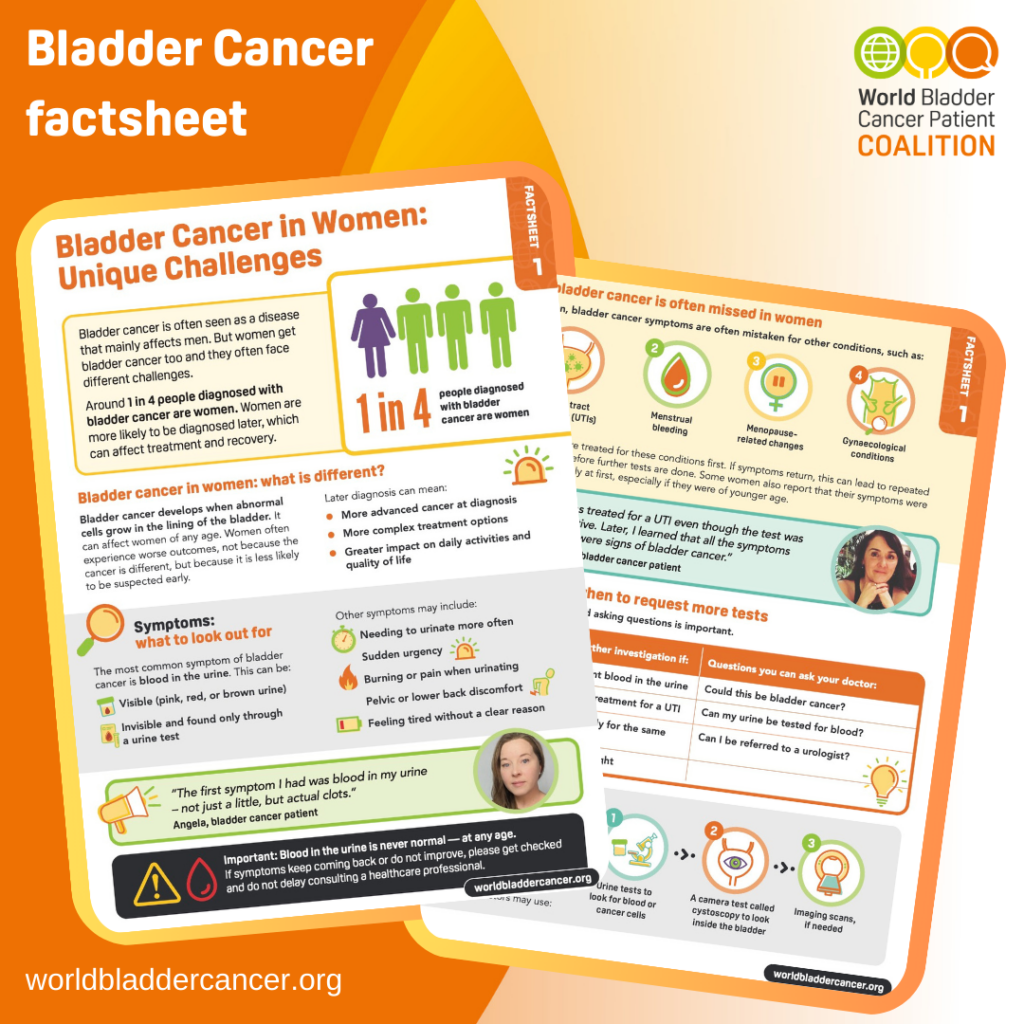
On International Women’s Day 2026, the World Bladder Cancer Patient Coalition (WBCPC) has released a new factsheet, Bladder Cancer in Women: Unique Challenges, drawing attention to an issue that remains under-recognised in women’s health.
Bladder cancer is often perceived as a disease that primarily affects men. However, around one in four people diagnosed with bladder cancer are women. Despite this, women are more likely to receive their diagnosis at a later stage.
By Fatima Baig, Helen Lacy and Prof. Ananya Choudhury
Bladder cancer is often seen as a “man’s disease” but when women are affected, the consequences can be more severe and the reasons why say a lot about gender bias in healthcare.
On International Women’s Day, this opinion piece brings together three perspectives united by a shared goal: to make women with bladder cancer visible. Two bladder cancer patient advocates Fatima Baig from India and Helen Lacy from Australia share their lived experiences and advocacy insight.
Rare Disease Day, held each year on the last day of February, is a global reminder that people living with rare conditions often face additional barriers to diagnosis, treatment and support. For those affected, rarity can mean uncertainty, limited information and fewer options.
While bladder cancer is one of the most common cancers worldwide, around 3–5% of cases are rare subtypes. These include urachal cancer, small cell carcinoma, plasmacytoid carcinoma and other uncommon forms.
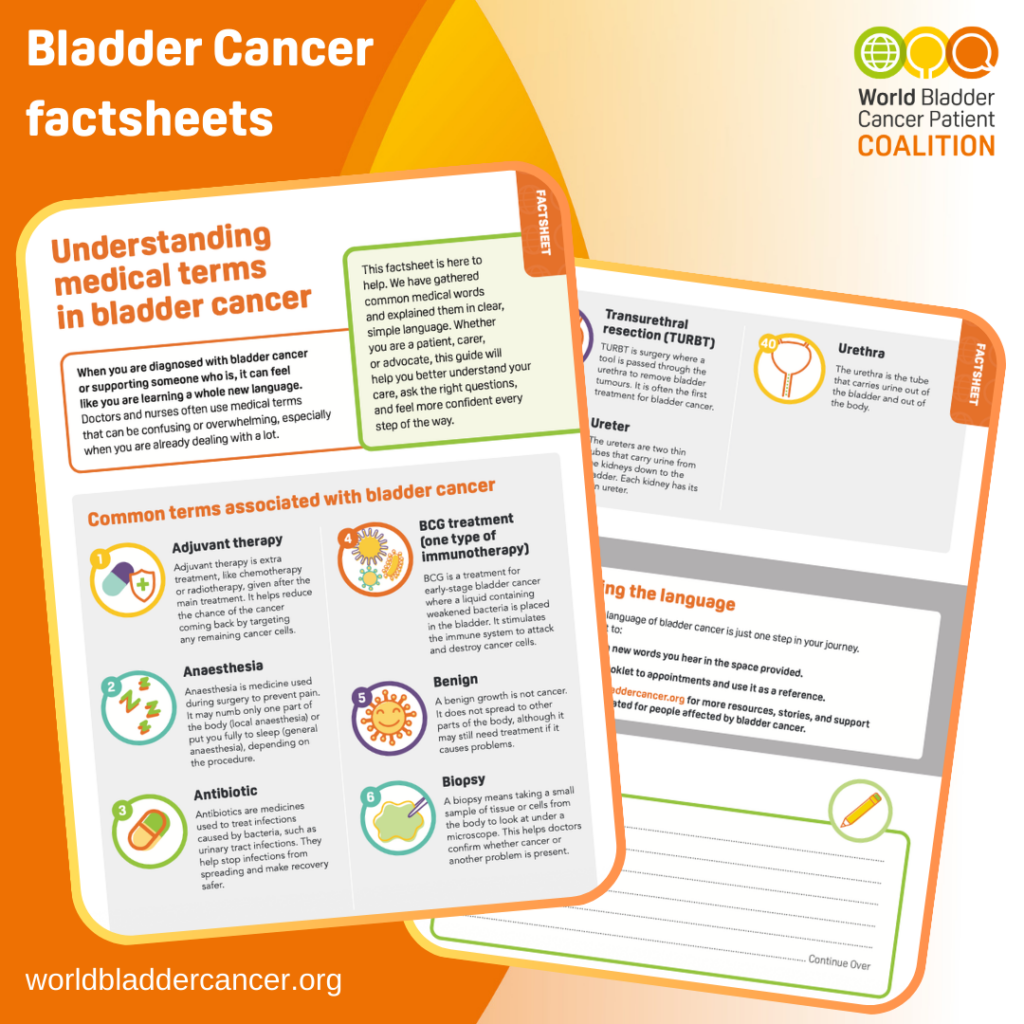
Hearing the words “you have bladder cancer” can be overwhelming. Very quickly, patients and families are introduced to a stream of unfamiliar medical language. Appointments can feel rushed, terminology can be technical and it is not always easy to stop and ask what something means.
To support people at this moment, we are launching “Understanding Medical Terms in Bladder Cancer” a new resource in the WBCPC Factsheet Series.
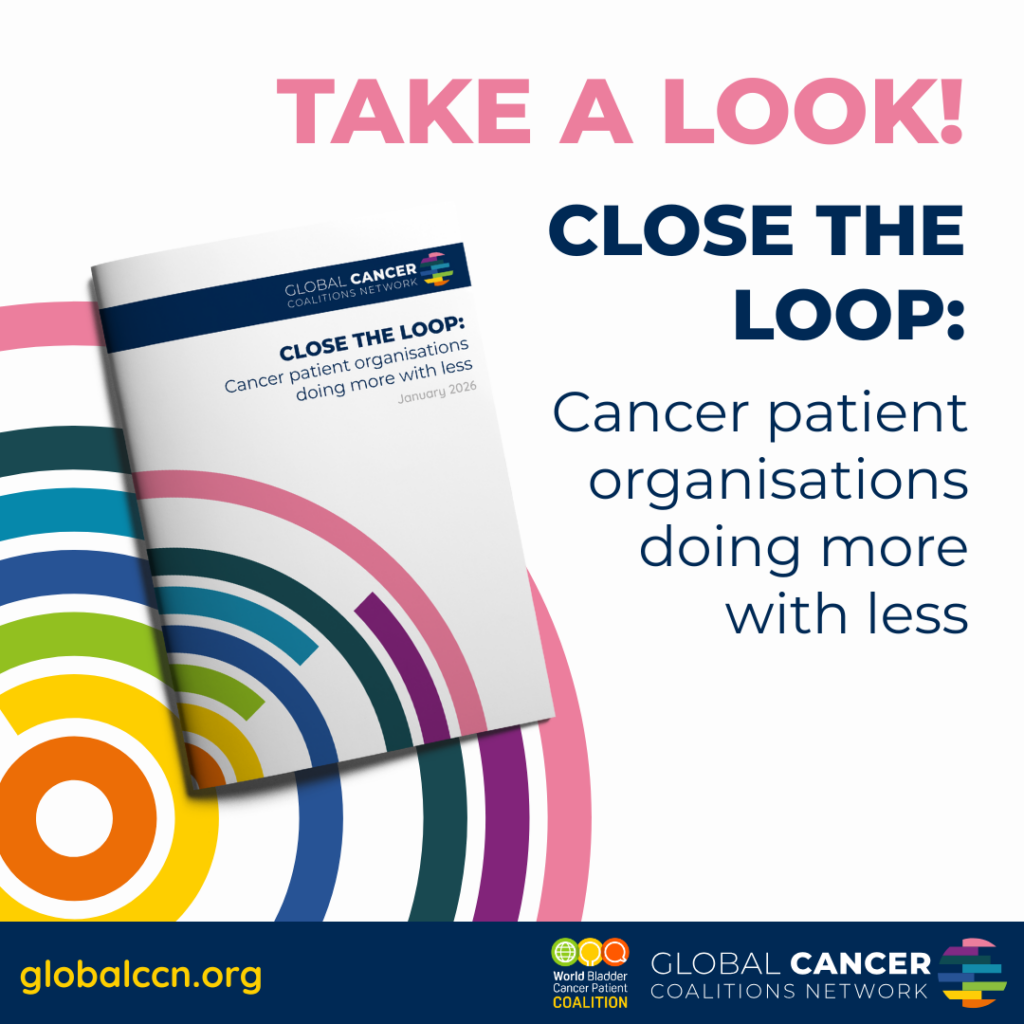
As part of the Global Cancer Coalitions Network, we were proud to contribute to Close the Loop, a new global report examining how cancer patient organisations are navigating the post-COVID landscape.
Drawing on data from 104 organisations across 45 countries, the report captures the lived reality of patient organisations supporting millions of people affected by cancer, at a time of rising demand, limited resources and health systems that are still recovering five years after the pandemic.
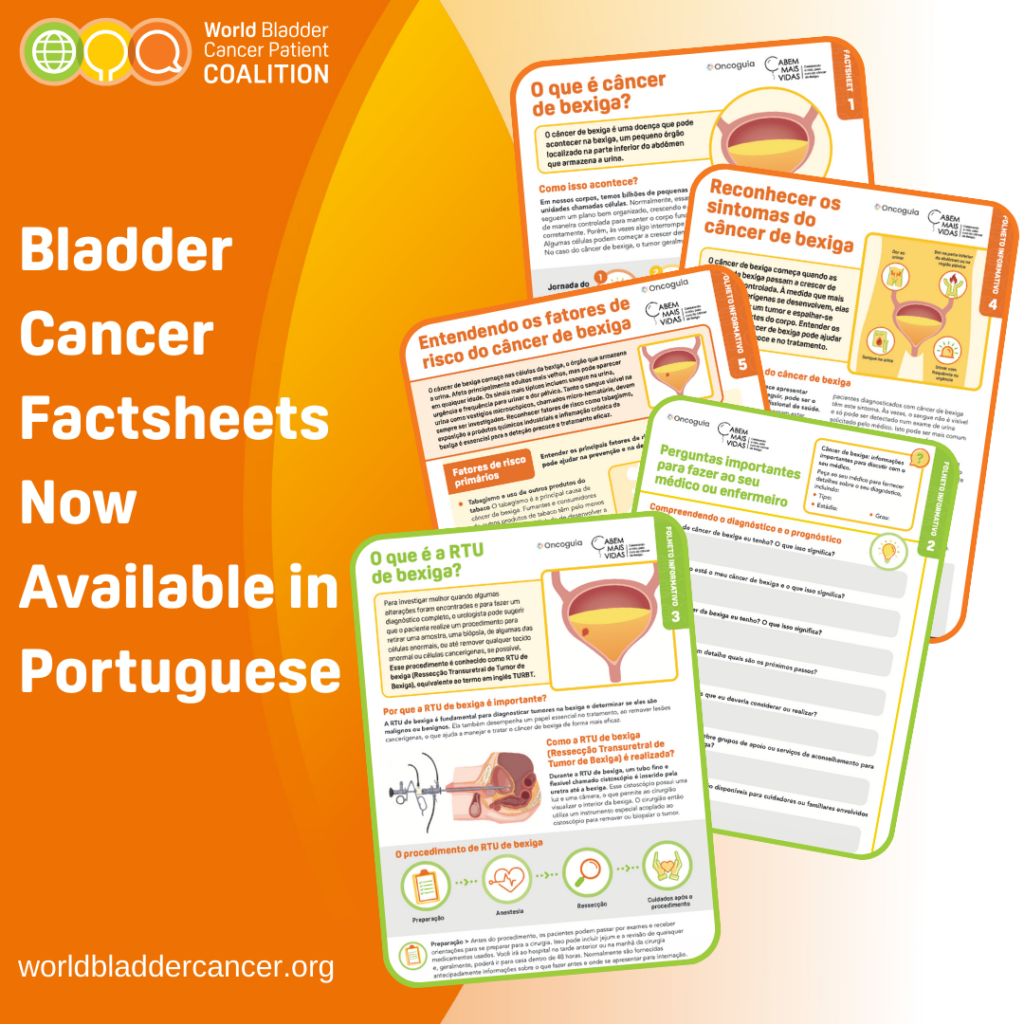
The World Bladder Cancer Patient Coalition (WBCPC) has expanded its Portuguese-language resources with the publication of five bladder cancer factsheets, supporting access to reliable, patient-friendly information for Portuguese-speaking communities.
This work builds on WBCPC’s ongoing collaboration with Oncoguia and CABEM Mais Vidas, whose expertise and local insight have been central to ensuring the factsheets are accurate, accessible and relevant for patients and families.
Access to clear information remains a key challenge for many people affected by bladder cancer,