Rare Disease Day, held each year on the last day of February, is a global reminder that people living with rare conditions often face additional barriers to diagnosis, treatment and support. For those affected, rarity can mean uncertainty, limited information and fewer options.
While bladder cancer is one of the most common cancers worldwide, around 3–5% of cases are rare subtypes. These include urachal cancer, small cell carcinoma, plasmacytoid carcinoma and other uncommon forms.
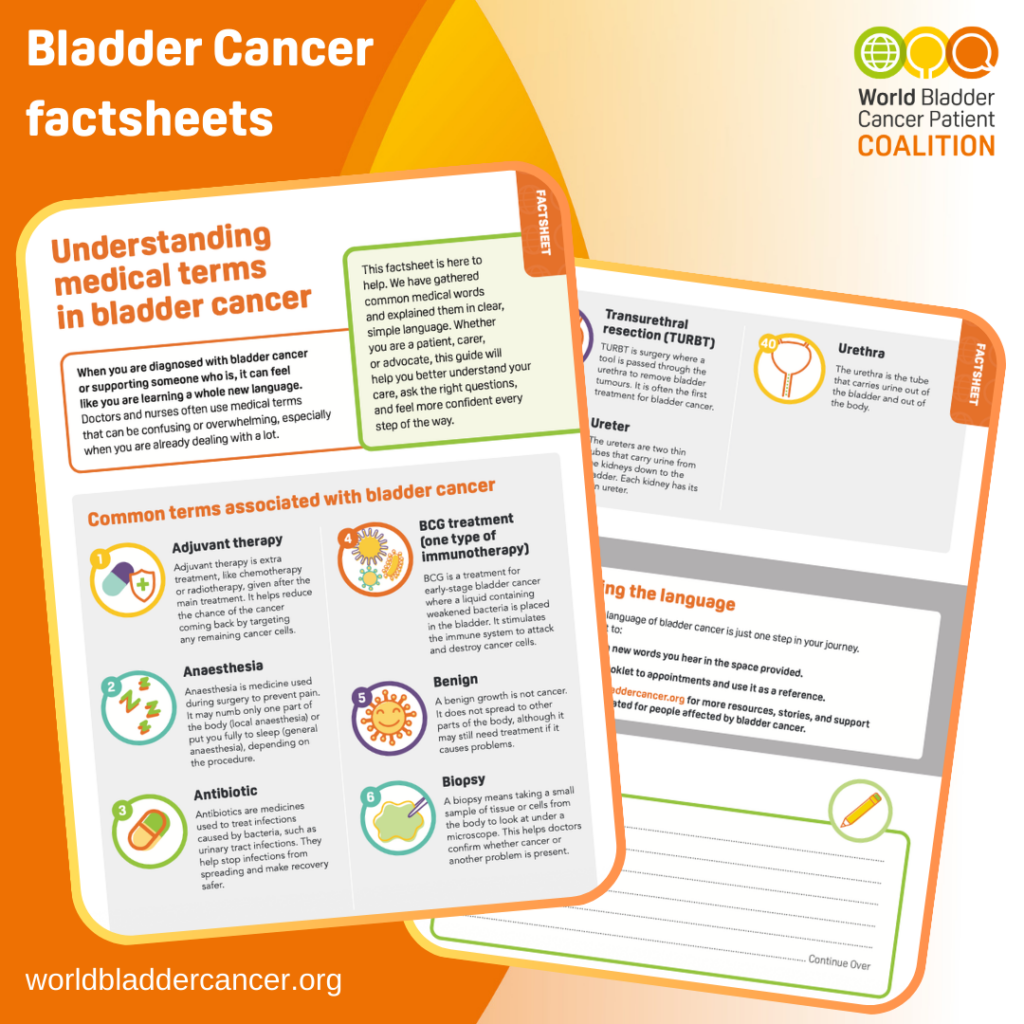
Hearing the words “you have bladder cancer” can be overwhelming. Very quickly, patients and families are introduced to a stream of unfamiliar medical language. Appointments can feel rushed, terminology can be technical and it is not always easy to stop and ask what something means.
To support people at this moment, we are launching “Understanding Medical Terms in Bladder Cancer” a new resource in the WBCPC Factsheet Series.
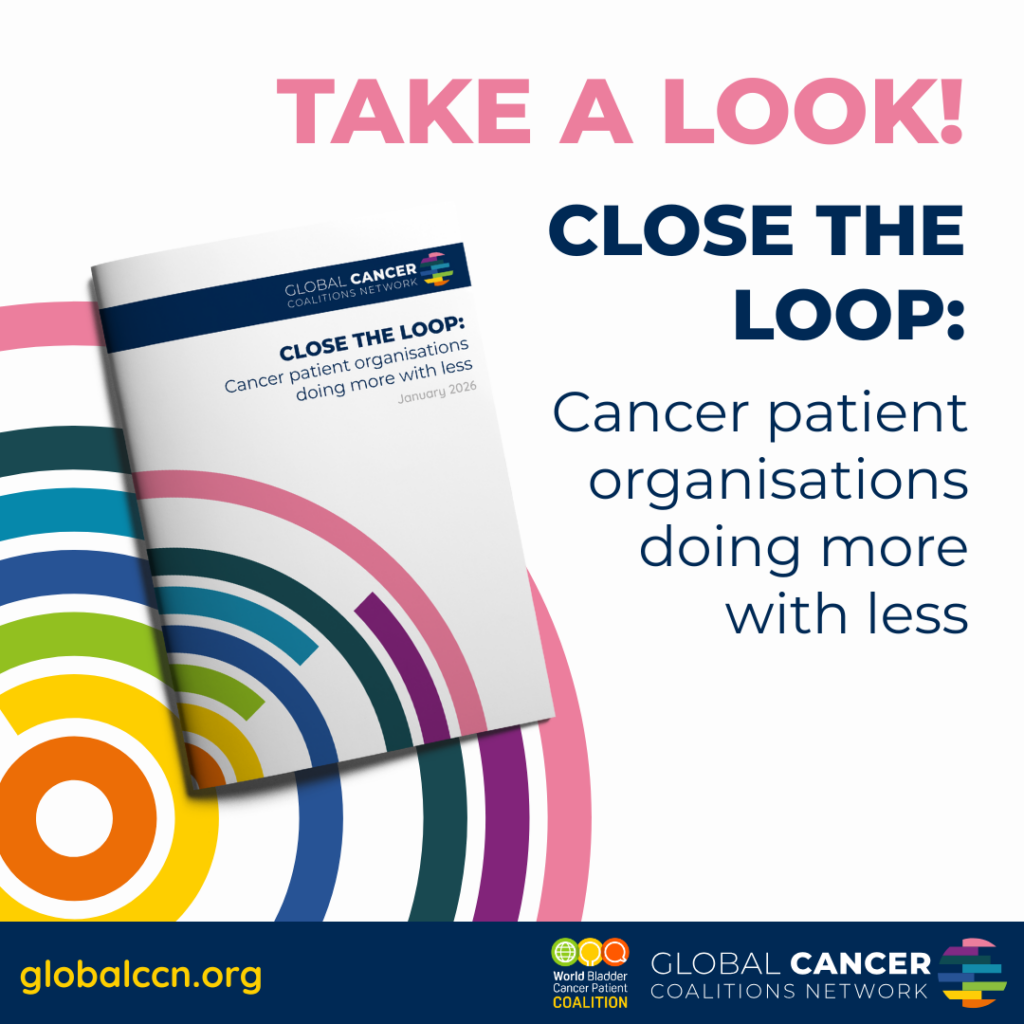
As part of the Global Cancer Coalitions Network, we were proud to contribute to Close the Loop, a new global report examining how cancer patient organisations are navigating the post-COVID landscape.
Drawing on data from 104 organisations across 45 countries, the report captures the lived reality of patient organisations supporting millions of people affected by cancer, at a time of rising demand, limited resources and health systems that are still recovering five years after the pandemic.
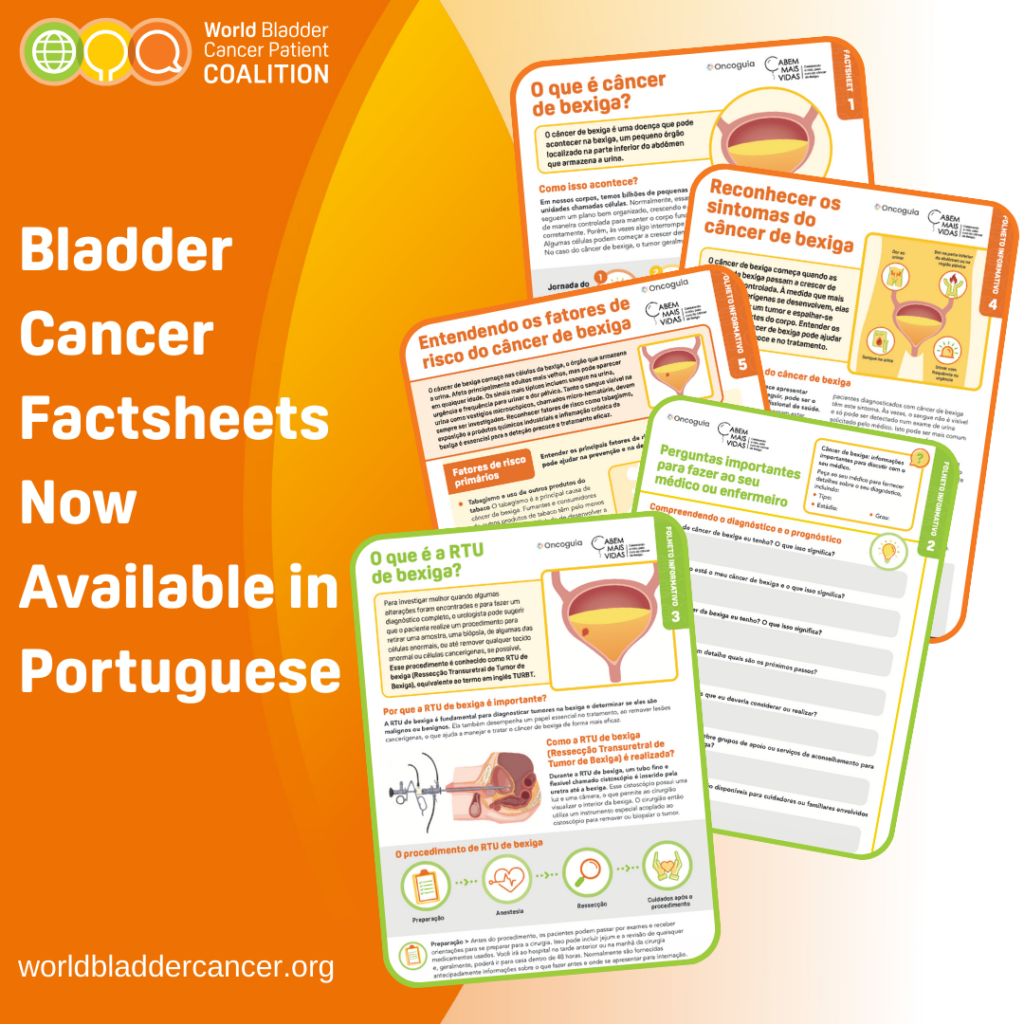
The World Bladder Cancer Patient Coalition (WBCPC) has expanded its Portuguese-language resources with the publication of five bladder cancer factsheets, supporting access to reliable, patient-friendly information for Portuguese-speaking communities.
This work builds on WBCPC’s ongoing collaboration with Oncoguia and CABEM Mais Vidas, whose expertise and local insight have been central to ensuring the factsheets are accurate, accessible and relevant for patients and families.
Access to clear information remains a key challenge for many people affected by bladder cancer,
Building on the success and impact of previous years, the World Bladder Cancer Patient Coalition (WBCPC) is launching a new multi-year Bladder Cancer Awareness Month (BCAM) Grant Programme for the period 2026–2028.
This revised grant model is designed to move beyond one-off awareness activities and instead support sustained, locally led bladder cancer awareness efforts in low- and middle-income countries. By investing over three years, the programme aims to strengthen community capacity, continuity and long-term impact in settings where awareness of bladder cancer remains low.
On the occasion of World Cancer Day , the World Bladder Cancer Patient Coalition (WBCPC) is once again joining forces with the global cancer community to raise awareness. This year, under the theme “United by Unique”, we invite everyone to shine a spotlight on bladder cancer and advocate for equitable, people-centred care for all. World Cancer Day is led by the Union for International Cancer Control (UICC) and is now in the second year of a three-year campaign focusing on people-centred care.
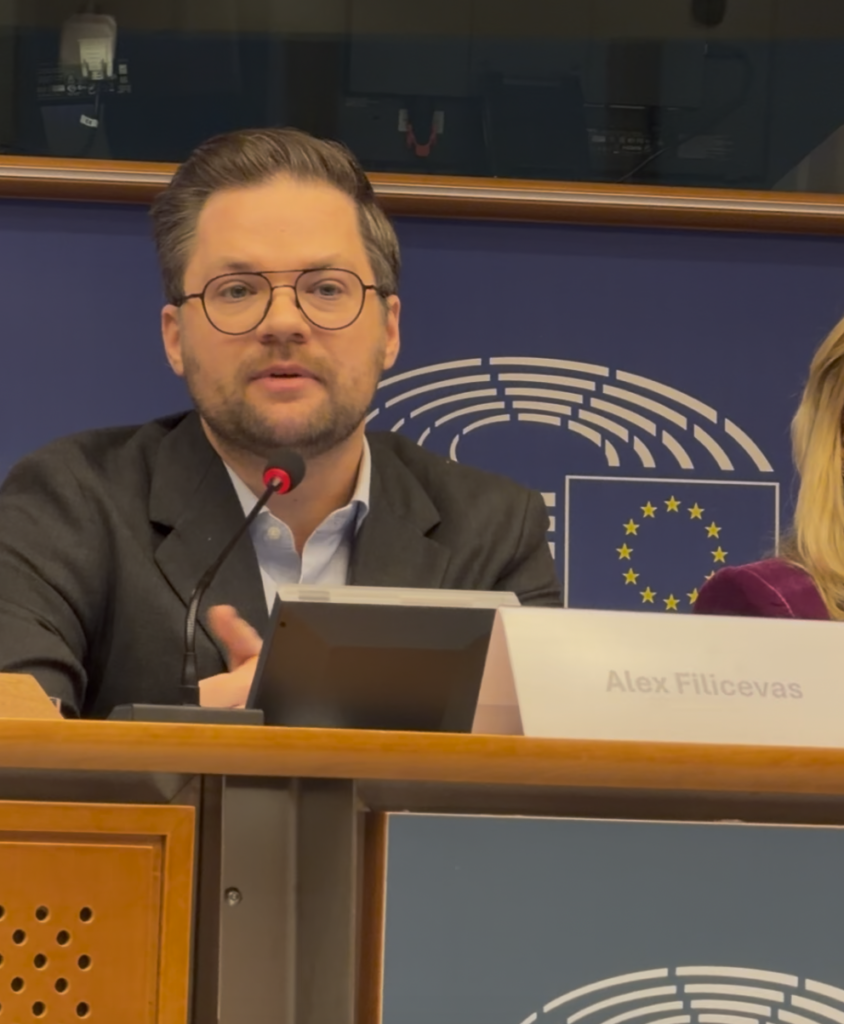
WBCPC took part in a special meeting of the European Parliament Intergroup on Cancer and Rare Diseases on the eve of World Cancer Day. Members of the European Parliament, patient organisations, healthcare professionals, and civil society representatives joined the discussion as negotiations begin on the next Multiannual Financial Framework for 2028 to 2034.
Participants discussed how the EU can sustain the momentum created by Europe’s Beating Cancer Plan and the EU Mission on Cancer.
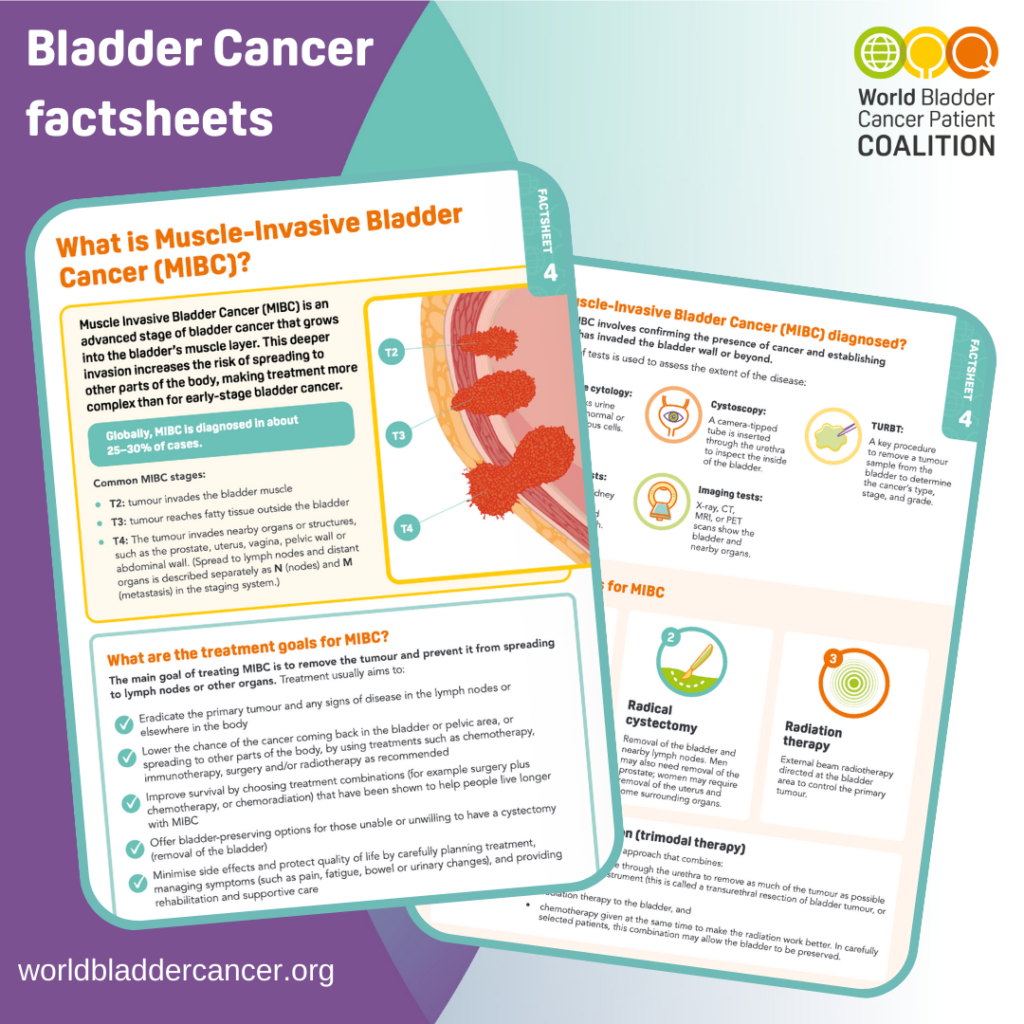
A diagnosis of muscle-invasive bladder cancer can bring many difficult and urgent decisions. Patients and families often receive a lot of information in a short time and it can be hard to understand what the different treatment options mean in practice.
We are pleased to launch “Understanding Treatment for Muscle-Invasive Bladder Cancer (MIBC)”: a new factsheet in the WBCPC Factsheet Series. This resource was created to support patients and carers at a time when clear and reliable information is especially important.