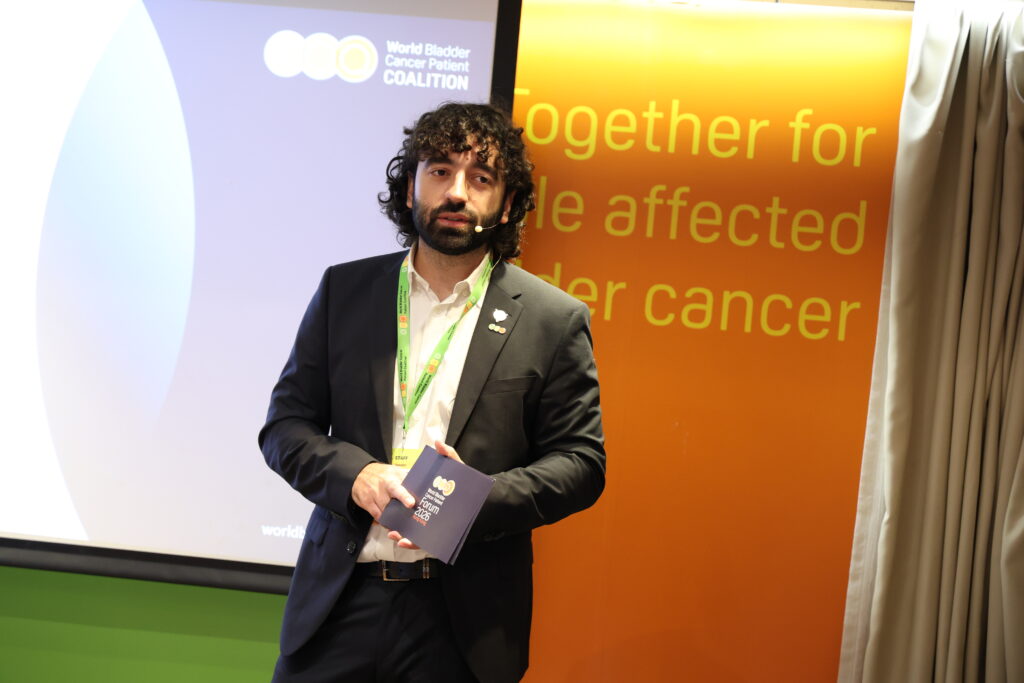
Advocates Day at the World Bladder Cancer Patient Forum 2026 in Hong Kong made room for a subject every organisation in the room is already wrestling with. In a workshop titled “AI tools for patient advocates: a practical introduction” Theodoros Yfantis, WBCPC Project Coordinator, set out where artificial intelligence can genuinely help an advocacy team, and where it should be kept well away.
He began by taking the mystery out of it.
Advocates Day at the World Bladder Cancer Patient Forum 2026 in Hong Kong turned to what members have actually built, with four organisations presenting projects that worked at home and could work elsewhere. None of us holds a monopoly on good ideas, and the session ran on a simple assumption: the most useful resource in the room is often something another member has already tried.
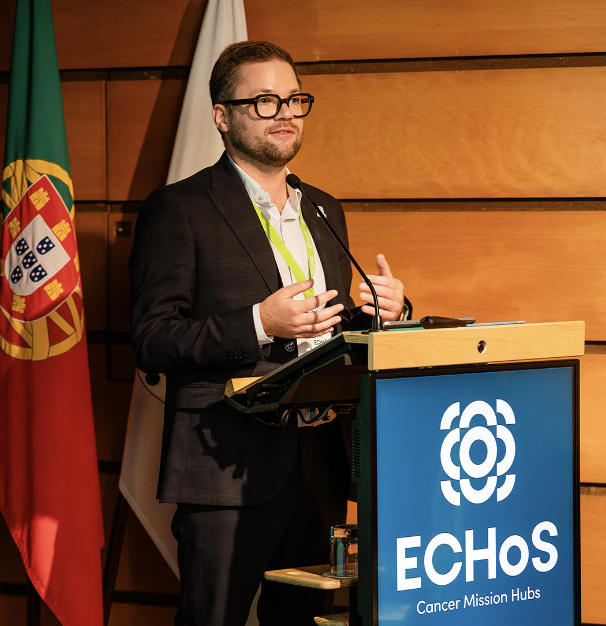
When partners, policymakers and patient advocates gathered at the Ordem dos Médicos in Portugal on September 10, 2026 to launch the second phase of ECHoS, our Executive Director, Alex Filicevas, was among the voices in the room there to make sure patients community remains at the centre of Europe’s response to cancer. Alex took part as Chair of the WECAN Foundation, the European network of cancer patient advocacy organisations that WBCPC is proud to belong to.
Together with partners from across Europe, we gathered on September 4, 2026, in Budapest for the annual consortium meeting of BCLEAR: Bladder Cancer Literacy for All: Advancing Knowledge and Care in Europe. A full day of discussion gave the consortium the chance to review our progress and agree the next steps for our shared work.
Co-funded by the European Union and coordinated by the European Association of Urology (EAU),

Our Project Coordinator, Theodoros Yfantis, spoke in Brussels at the event “Unseen, Uncounted, Unaddressed: The Case for Continence Health in EU Policy”, organised by the European Association of Urology (EAU) on June 24, 2026, as part of the Urge to Act campaign and hosted by MEP Tomislav Sokol.
The event brought together patient organisations, European Commission representatives and healthcare professionals to make the case for continence as a health policy priority.