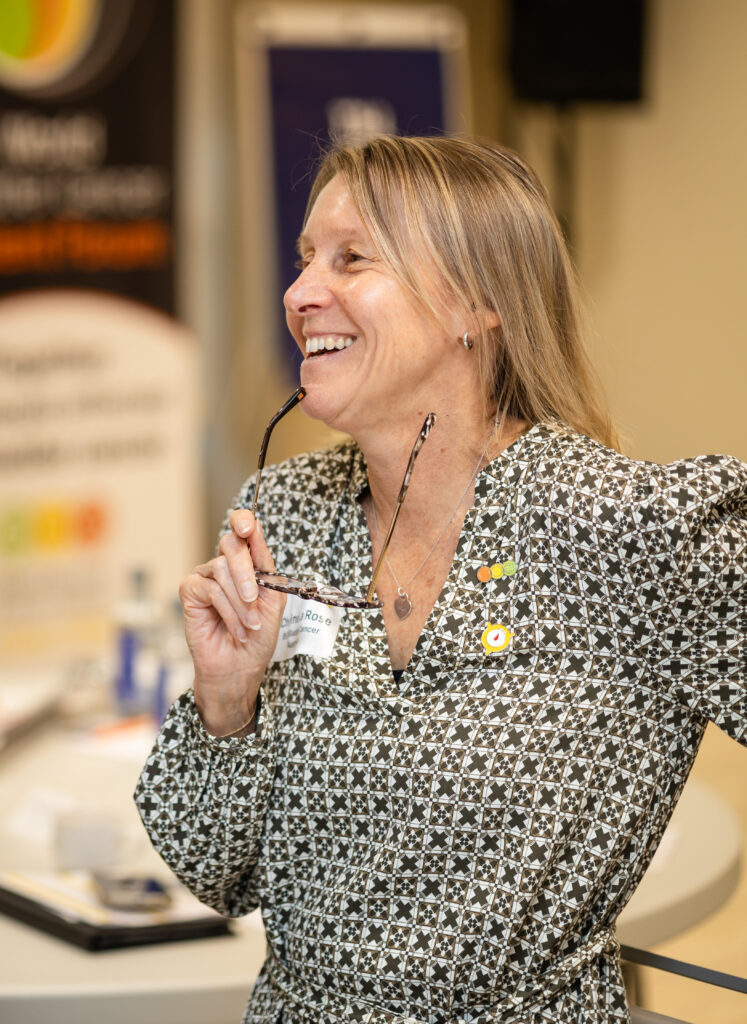
One in four people diagnosed with bladder cancer is a woman; yet bladder cancer is still widely seen as a disease that mainly affects older men. This misperception has real consequences. Women are more likely to have their symptoms dismissed, more likely to be misdiagnosed, and more likely to be diagnosed at a later stage of the disease.
We believe every woman’s health journey deserves to be heard and properly supported. This page brings together what we know about bladder cancer in women,
Sharing patient stories is common across cancer care, and serves as a powerful tool to raise awareness about the disease, and to shed light on the patient experience. Patient stories have shown to positively influence healthcare system transformation over the years, and are a catalyst for more patient-centred care.
Equally, sharing personal stories about bladder cancer can be extremely helpful to others who may be going through the same thing, and can create a sense of community –

If you are facing a bladder cancer diagnosis – you do not need to do it alone. Online or in-person bladder cancer patient support groups help to connect people who are currently going through the same thing, or who have already gone through it in the past. They can provide people with an important outlet to communicate, offer comfort, and exchange information with people having similar life experiences.
How to find a patient support group?

Bladder cancer groups across the globe, small and large, have an important role to play in improving the situation for patients and their families. Often, patient organisations help to fill important gaps in patient needs associated with information and support.
Reach out to a national or regional bladder cancer patient organisation
Our member organisations are mostly bladder cancer patient organisations that work in different countries to support patients. They work to bring awareness to bladder cancer at the national level,