Newly diagnosed with bladder cancer
Being told you have bladder cancer can feel like the ground has shifted beneath you. Fear, confusion, and a flood of questions are all completely natural responses. You do not need to process everything at once and you do not need to face this alone.
This page offers clear, practical guidance for the first steps after a diagnosis. We hope it helps you feel a little more grounded and a little more ready for what comes next.
How am I supposed to feel?
There is no right or wrong way to feel after a cancer diagnosis. Many people describe shock, disbelief, or numbness. Others feel frightened, angry, or overwhelmed. All of these reactions are valid.
The people around you: family, close friends, carers, may also be struggling to know what to say or do. Try to share your feelings when you feel ready, and allow others to support you. You are going through this together.
If feelings of anxiety or low mood are affecting your daily life, please speak to your doctor or a counsellor. Emotional support is an important and legitimate part of cancer care.
Understanding your diagnosis
One of the most empowering things you can do after a diagnosis is to understand exactly what it means. Your doctor will use specific terms to describe your cancer and while they can feel overwhelming at first, most are straightforward once explained.
Key terms to know:
- Type: The kind of cells the cancer began in. Most bladder cancers start in the cells lining the bladder, called urothelial carcinoma.
- Stage: How far the cancer has grown or spread. Stage runs from Ta (very early, only in the lining) through to T4 (spread to nearby organs).
- Grade: How abnormal the cancer cells look. Low-grade cells grow more slowly; high-grade cells are more aggressive.
- NMIBC vs MIBC: The most important distinction. Non-muscle-invasive bladder cancer (NMIBC) is contained within the bladder lining. Muscle-invasive bladder cancer (MIBC) has grown into the bladder muscle and needs different, more intensive treatment.
Ask your doctor to explain your specific stage and grade and what they mean for your care. Download our factsheet ‘Understanding Diagnosis and Prognosis’ to help you prepare for this conversation.
Choosing your medical team
- Look for a urologist or uro-oncologist who has specific experience with bladder cancer.
- Ask your GP about specialist centres near you.
- A multidisciplinary team (MDT): including a urologist, oncologist, radiologist, and specialist nurse offers the most comprehensive approach.
- It is always reasonable to seek a second opinion. Your local patient organisation may be able to help.
Questions to ask your doctor
Appointments can feel rushed, and it is easy to forget what you wanted to ask. Writing questions down in advance makes a real difference. Bring someone with you if you can, they can help you listen, take notes, and remember what was said.
About your diagnosis:
- What type, stage, and grade of bladder cancer do I have?
- Has the cancer spread beyond the bladder?
- Can I have a written summary of my diagnosis to take home?
About your treatment:
- What treatment options are available to me?
- Which treatment do you recommend, and why?
- What are the potential benefits, risks, and side effects?
- How will treatment affect my daily life?
- Are there any clinical trials I might be eligible for?
About follow-up:
- How often will I need check-ups?
- What should I do if my symptoms change or get worse?
- Who is my main point of contact between appointments?
Keeping track of your care
- Ask for copies of all your test results, pathology reports, and scan summaries and keep them together in one folder.
- Write down key information after every appointment: what was said, what was decided, and what happens next.
- Keep a note of all the medicines you take, including any supplements.
Looking after yourself during treatment
- Nutrition: Eating well helps your body cope with treatment. Ask for a referral to a dietitian if you are unsure what to eat.
- Exercise: Even gentle activity: walking, stretching, light swimming, can improve energy, mood, and sleep.
- Mental health: Anxiety and low mood are common after a diagnosis. Talking to a counsellor or support group can help enormously.
- Smoking: If you smoke, quitting now will support your treatment and reduce the risk of the cancer coming back. Your medical team can help.
Keep your follow-up appointments
Bladder cancer has a higher rate of coming back than many other cancers. This is why regular follow-up appointments are so important, even when you are feeling well. The sooner a recurrence is found, the more treatment options are available. Never skip a check-up.
You are not alone
Many people find that connecting with others who have been through bladder cancer makes an enormous difference. Patient organisations offer peer support, trusted information, and a sense of community that can be hard to find elsewhere.
Contact us at patients@worldbladdercancer.org and we will connect you with a patient organisation near you. You can also read the stories of people living with bladder cancer on our Patient Stories page.
Few more tips for your journey
Being newly diagnosed comes with a lot of information, and it can feel overwhelming. That is why we have prepared some suggestions to help you feel more confident, organised, and supported along the way.
Meeting with your urologist can feel intimidating, and it’s easy to forget what you wanted to ask. Preparing ahead can make a huge difference.
-
Write down your questions before your appointment. Keep a small notebook or use your phone.
-
Bring someone with you. A family member or friend can take notes, listen carefully, and help you remember details later.
-
Record the appointment (with your doctor’s permission), so you can go back and review it.
-
Read patient guidebooks before you go. They’ll help you understand terms like stage and grade, and give you ideas for more questions.
Some useful questions include:
-
What kind of bladder cancer do I have?
-
What is the stage and grade of my tumour? Has the cancer spread?
-
What treatment choices are available, and which do you recommend for me? Why?
-
What are the benefits, risks, and possible side effects of each treatment?
-
How will treatment affect my day-to-day life?
-
Are there clinical trials that could be right for me?
Remember: there are no “silly” questions. If you don’t understand something, ask again until it makes sense.

Even if you feel well, or your last check-up was clear, never skip a follow-up. Bladder cancer has a high chance of coming back, and the sooner a recurrence is found, the easier it is to treat.
-
Stick to the schedule your doctor gives you, whether that’s every 3 months, 6 months, or once a year.
-
Use reminders on your phone or calendar so you never miss one.
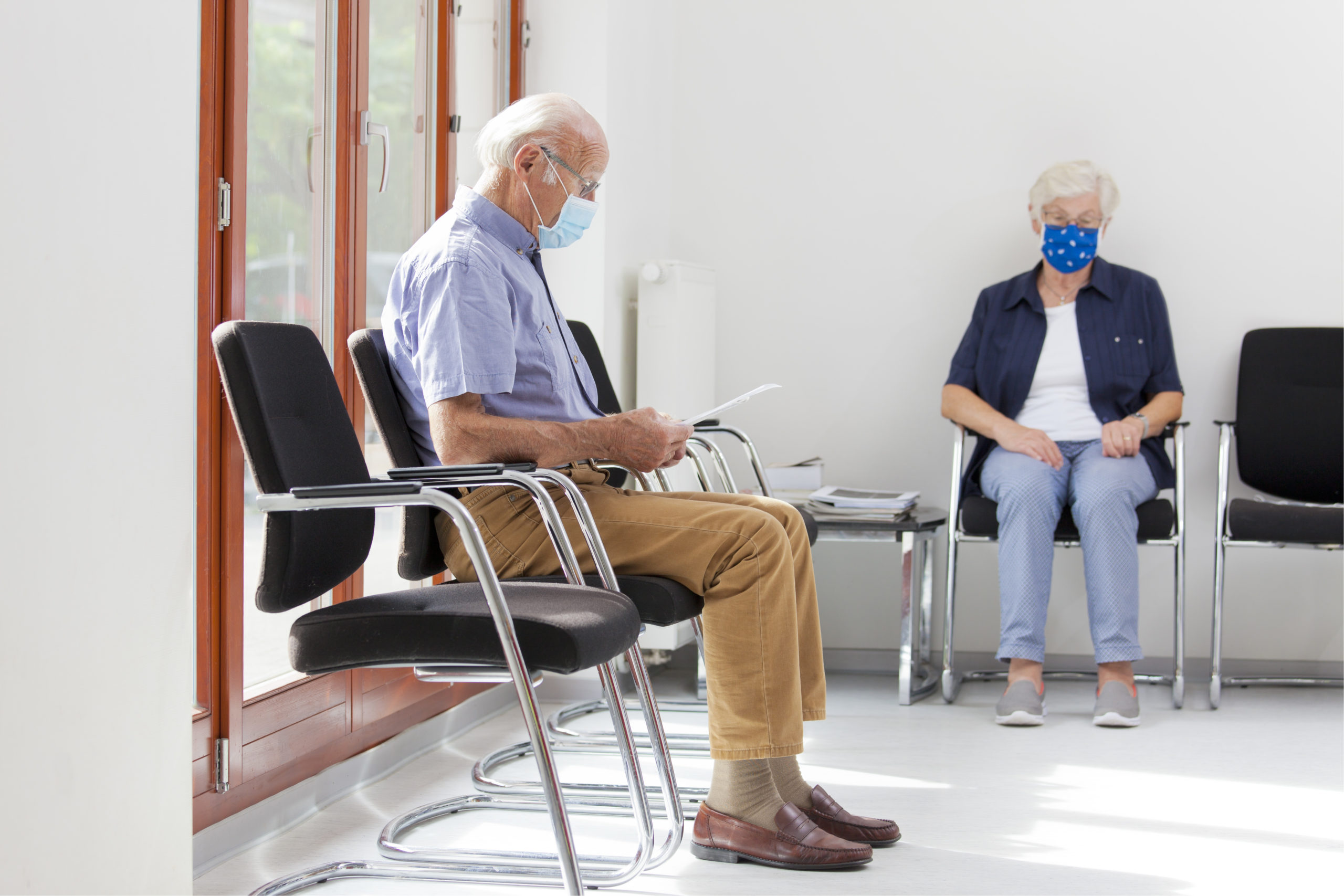
It’s your body, you deserve to understand what’s happening.
-
Always ask for a copy of your test and scan results, and keep them organised in a folder.
-
Don’t be afraid to ask your doctor: What does this mean for me?
-
If there are medical terms you don’t recognise, ask or look them up from reliable sources.
This helps you take an active role in your care and makes it easier if you ever seek a second opinion.
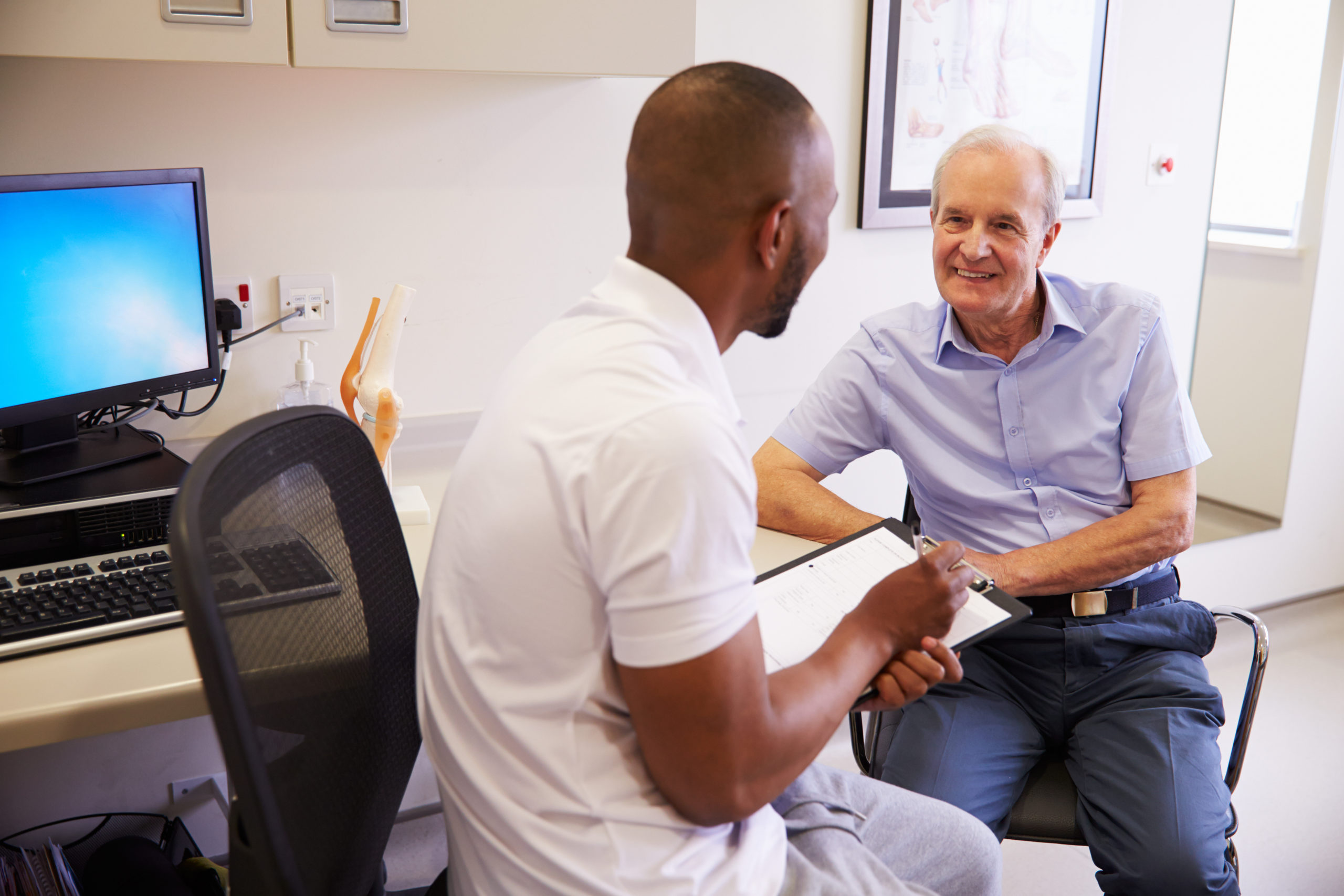
A healthy lifestyle can make treatment easier and recovery faster.
-
Nutrition: Ask about a referral to a dietitian who can guide you on foods to support your immune system and overall strength.
-
Exercise: Even light activity like walking, stretching, or gentle yoga can improve energy, mood, and sleep.
-
Mental health: It’s normal to feel anxious or low after a diagnosis. Talking to a counsellor or joining a support group can help.

You do not have to go through bladder cancer alone. Many people find hope and strength by connecting with others who understand what they’re experiencing.
-
Join a local or national bladder cancer patient organisation.
-
Share your story or listen to others, it can help you make sense of your own experience.
-
In many organisations, survivors describe it as joining a “warm, supportive family” that truly understands.