Bladder Cancer Awareness Month Grants
The Bladder Cancer Awareness Month Grants (BCAM Grants) were launched in May 2022 and have continued annually due to their success and impact. Now entering the fifth year in 2026, these grants empower patient organisations, support groups, and advocacy networks in low- and middle-income countries to raise awareness of bladder cancer within their communities.
Raising awareness is the essential first step toward achieving health equity in bladder cancer care. Bladder Cancer Awareness Month provides a great opportunity to ensure that no bladder cancer patient is left behind and that communities are informed about symptoms and encouraged to take action.
The BCAM Grants programme supports awareness campaigns by helping to offset some of the costs associated with these important activities.
For more information about the Bladder Cancer Awareness Month Grants, please get in touch with us at info@worldbladdercancer.org
Get inspired
Dive into the summaries of our 2022, 2023, 2024 and 2025 awardees below and let their innovative activities spark your inspiration. Their activities underscore the idea that there isn’t a one-size-fits-all approach, and the potential for crafting unique awareness-raising initiatives is endless.
No matter where we are in the world, we can draw inspiration from one another. By sharing and learning from each other’s experiences, we can collectively strengthen our efforts and make a more significant impact in the fight against bladder cancer. Together, we can build a network of knowledge and action that benefits all.
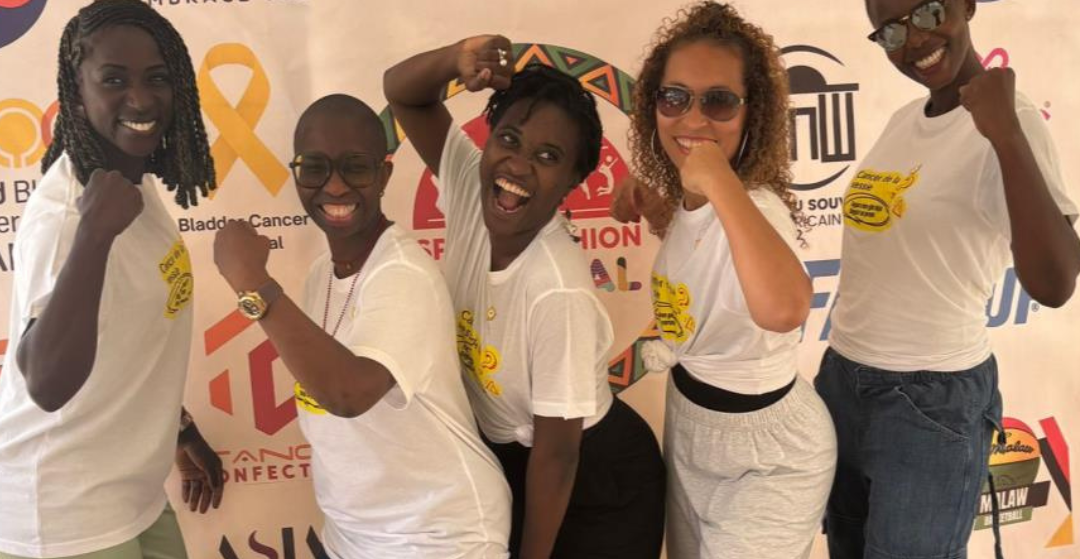
Bladder Cancer Senegal launched the Breaking the Silence: Bladder Cancer Awareness in Senegal campaign, the first nationwide initiative of its kind in the country focused on bladder cancer awareness. In Senegal, bladder cancer remains a largely unspoken disease, especially among women, with stigma, misinformation, and cultural silence preventing many people from recognising symptoms or seeking support. The campaign aimed to break this silence and ensure that no one faces bladder cancer alone.
The organisation delivered a vibrant and inclusive campaign throughout May 2025, combining media outreach, fashion, sport, and community engagement. Activities were conducted in French, Wolof, and English to ensure that messages reached people in the languages they speak at home. One of the campaign’s central events was a Fashion & Sport Awareness Festival, which brought together patients, youth, athletes, and families to create open conversations around bladder cancer and early detection.
The campaign also gained international visibility through a feature on BBC Africa, helping to bring bladder cancer awareness to a broader global audience. In addition, the team collaborated with the Dakar 2026 Olympic team on World No Tobacco Day and held important meetings with the Ministries of Health and Family/Solidarity to advocate for greater patient support and place bladder cancer on the national health agenda for the first time.
Daily multilingual social media posts helped strengthen both national and international engagement, while hundreds of people attended campaign events across communities. Most importantly, the initiative opened lasting dialogue around stigma, early detection, mental health, and patient support—topics that had rarely been discussed publicly in relation to bladder cancer in Senegal before.
By using culturally relevant channels such as fashion, sport, and multilingual storytelling, Bladder Cancer Senegal created a strong and locally meaningful campaign that made bladder cancer visible in schools, stadiums, salons, and social media feeds alike. Their work marked an important step forward in changing how bladder cancer is understood and discussed across Senegal.
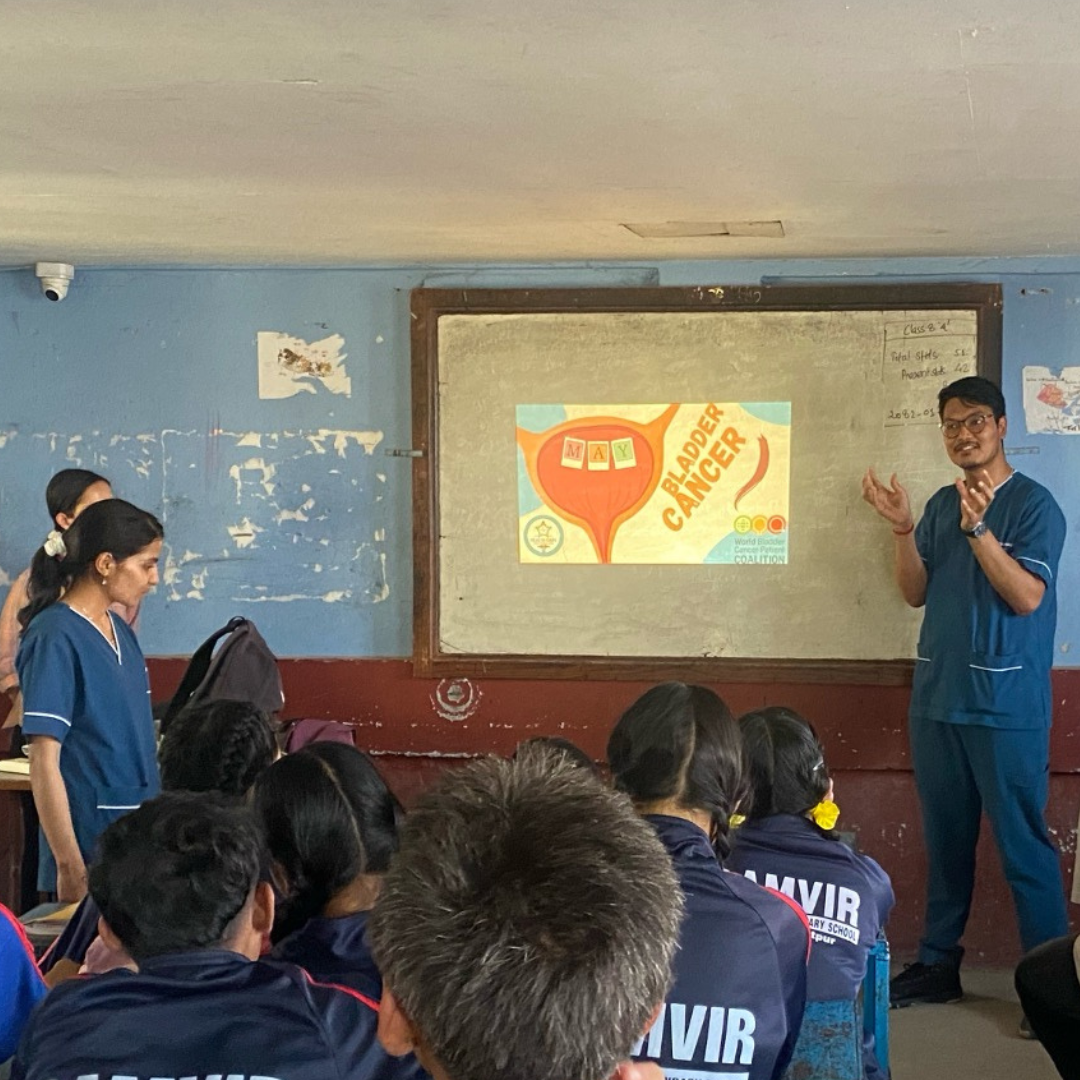
The Health Care Association of Nepal (HCAN), a youth-led organisation supported by medical students and volunteers, launched the Challenging Uncertainty Around Symptoms campaign to raise awareness of bladder cancer across Nepal. In a country where bladder cancer remains largely unknown and often surrounded by stigma and misinformation, the campaign aimed to spark open conversations and improve understanding of early symptoms and risk factors.
HCAN created a dynamic hybrid campaign combining digital engagement with community outreach. A nationwide digital contest invited young people to submit posters, poems, stories, and videos about bladder cancer in multiple languages, including regional languages such as Maithili. This creative approach helped make medical information more accessible and encouraged young people to take part in awareness efforts.
The organisation also held interactive awareness sessions in schools, reaching students and teachers and turning classrooms into spaces for education and discussion. In addition, HCAN produced a Nepali-language podcast featuring both a bladder cancer survivor and a urologist, helping to humanise the disease, challenge myths, and encourage people to speak more openly about bladder health. WBCPC campaign materials and social media content were widely shared throughout May, further strengthening the campaign’s reach.
The campaign reached over 50,000 people through digital and community engagement, while Facebook activity alone reached more than 158,000 users and generated over 7,400 engagements. The podcast received more than 1,800 views and over 100 hours of listening time. More than 1,200 students and teachers were educated through school sessions, and for many participants, it was the first time they had ever heard of bladder cancer.
By prioritising local languages, youth leadership, and culturally relevant outreach, HCAN successfully created one of Nepal’s first nationwide bladder cancer awareness campaigns. Their work helped reduce stigma, improve understanding, and opened the possibility of developing this initiative into a yearly programme to support earlier diagnosis and stronger awareness across underserved communities.
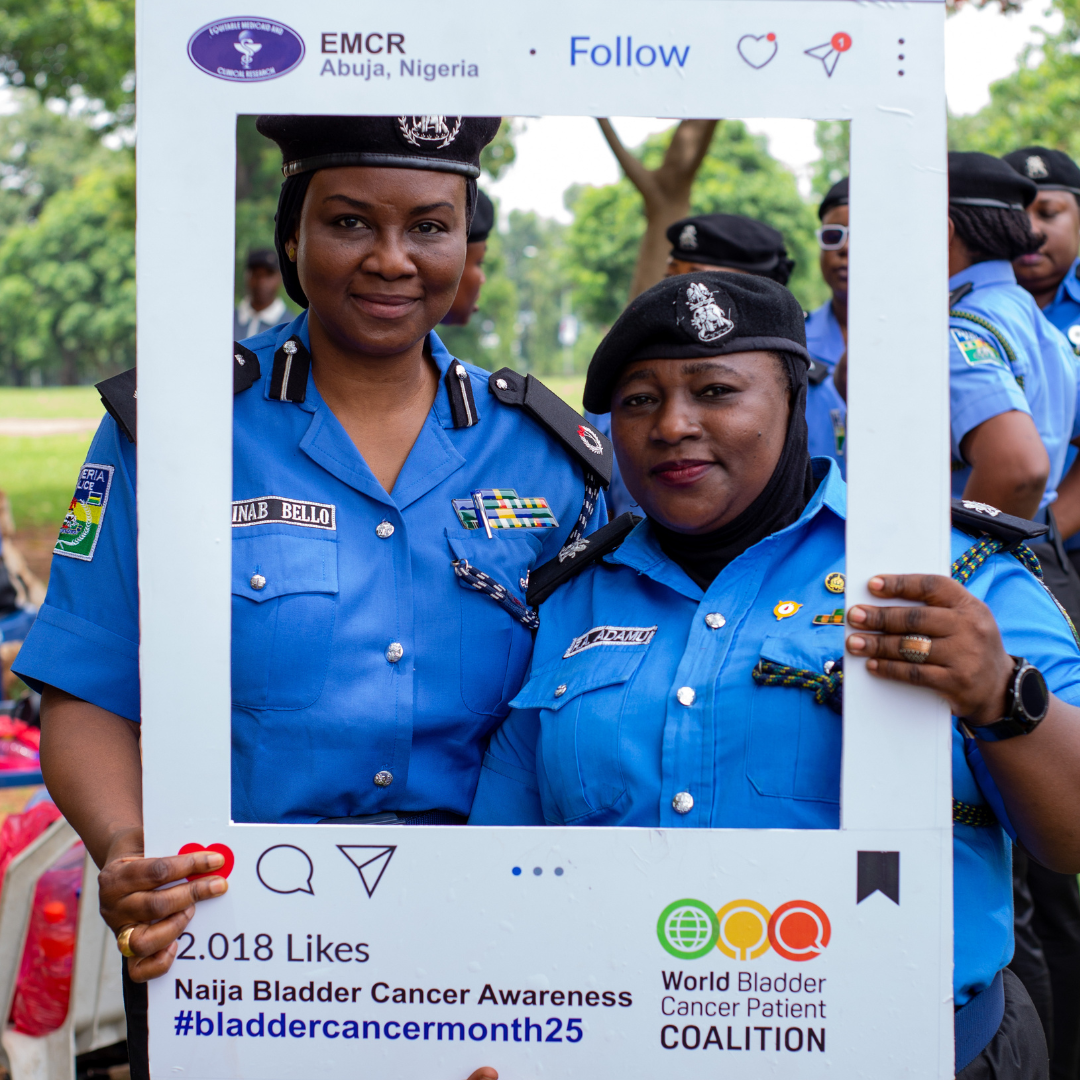
Equitable Medicaid and Clinical Research launched the Naija Bladder Health Awareness campaign to address the lack of awareness around bladder cancer in Nigeria, where many people had never heard of the disease or its symptoms. Their initiative focused on making bladder cancer information accessible, practical, and relevant to everyday communities.
The campaign included the production of a 7-minute educational video explaining bladder cancer in simple terms, helping people understand symptoms and risk factors using relatable visuals and plain language. A public health talk was held at Millennium Park in Abuja, where the medical team answered questions and discussed early detection with local participants. They also carried out a market awareness drive, engaging traders and buyers in informal conversations, helping to break down misconceptions in real time. Over 250 flyers and 20 posters were distributed across hospitals and public spaces.
More than 300 volunteers supported the campaign by sharing materials through WhatsApp, significantly expanding its reach. The educational video alone was viewed by over 15,000 people online. The market outreach reached more than 50 individuals through in-depth conversations, while 64 people attended the public session despite heavy rain. Importantly, 55 follow-up phone calls were received, including from people already living with bladder cancer who felt empowered to seek support.
By using peer-to-peer discussions and community-based outreach instead of only formal health talks, the campaign successfully introduced bladder cancer awareness to many people for the very first time and helped make bladder cancer part of the public conversation in Nigeria.
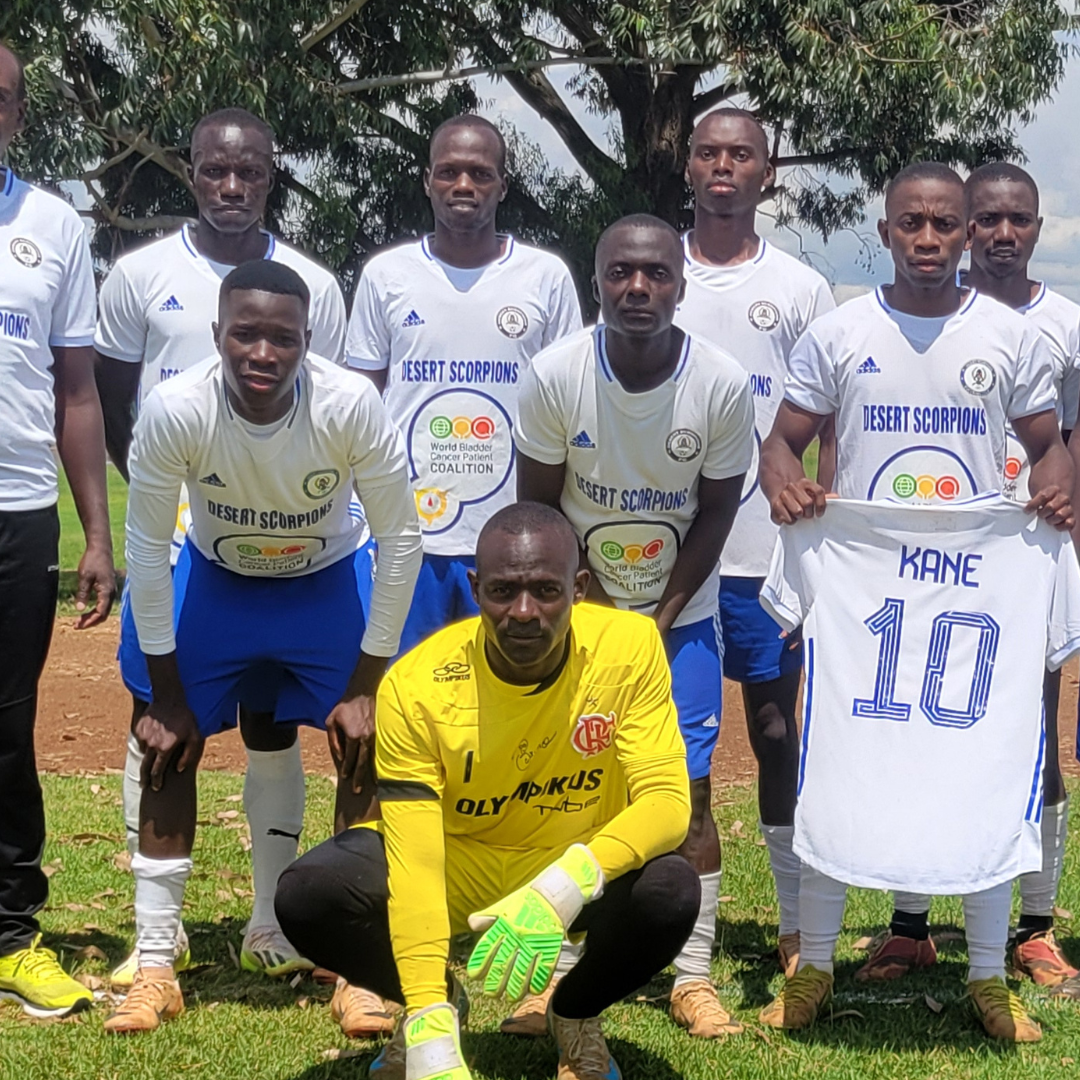
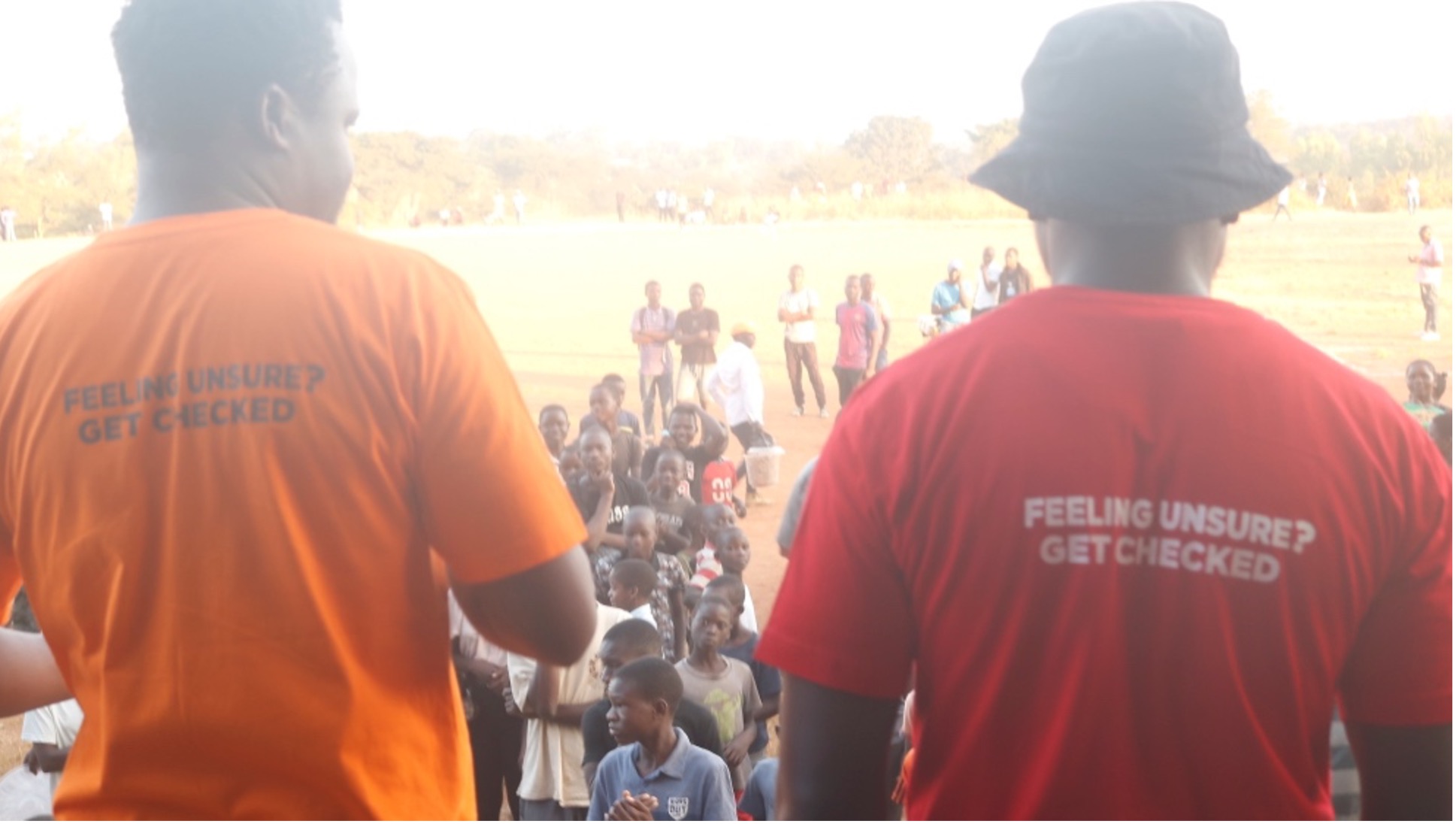
Desert Scorpions F.C., a football club with national reach in Kenya, launched the Play it Safe. Get Checked. campaign to raise bladder cancer awareness through sport. By integrating awareness messages into official competitive football matches, the campaign used a culturally relevant and widely followed platform to educate communities about bladder cancer symptoms and the importance of early detection.
Players wore branded team kits with bladder cancer awareness messages across multiple counties, while community-level awareness sessions were held during league events. The club partnered with the Kenya Cancer Institute and Texas Cancer Centre to provide educational support and referral pathways for people showing symptoms. Videos and matchday content were also shared on Facebook and other platforms, helping to extend the campaign beyond the stadium.
The campaign reached over 5,000 people online and engaged more than 2,000 fans directly during matchdays and community events. Videos received approximately 1,500 organic views, and at least five individuals showing symptoms were referred for medical follow-up. More than eight football teams participated in spreading awareness.
By connecting health education with football, Desert Scorpions F.C. created a relatable and sustainable model for awareness that resonated strongly at grassroots level. Their efforts not only raised awareness but also opened the door for continued health advocacy through sport across Kenya.
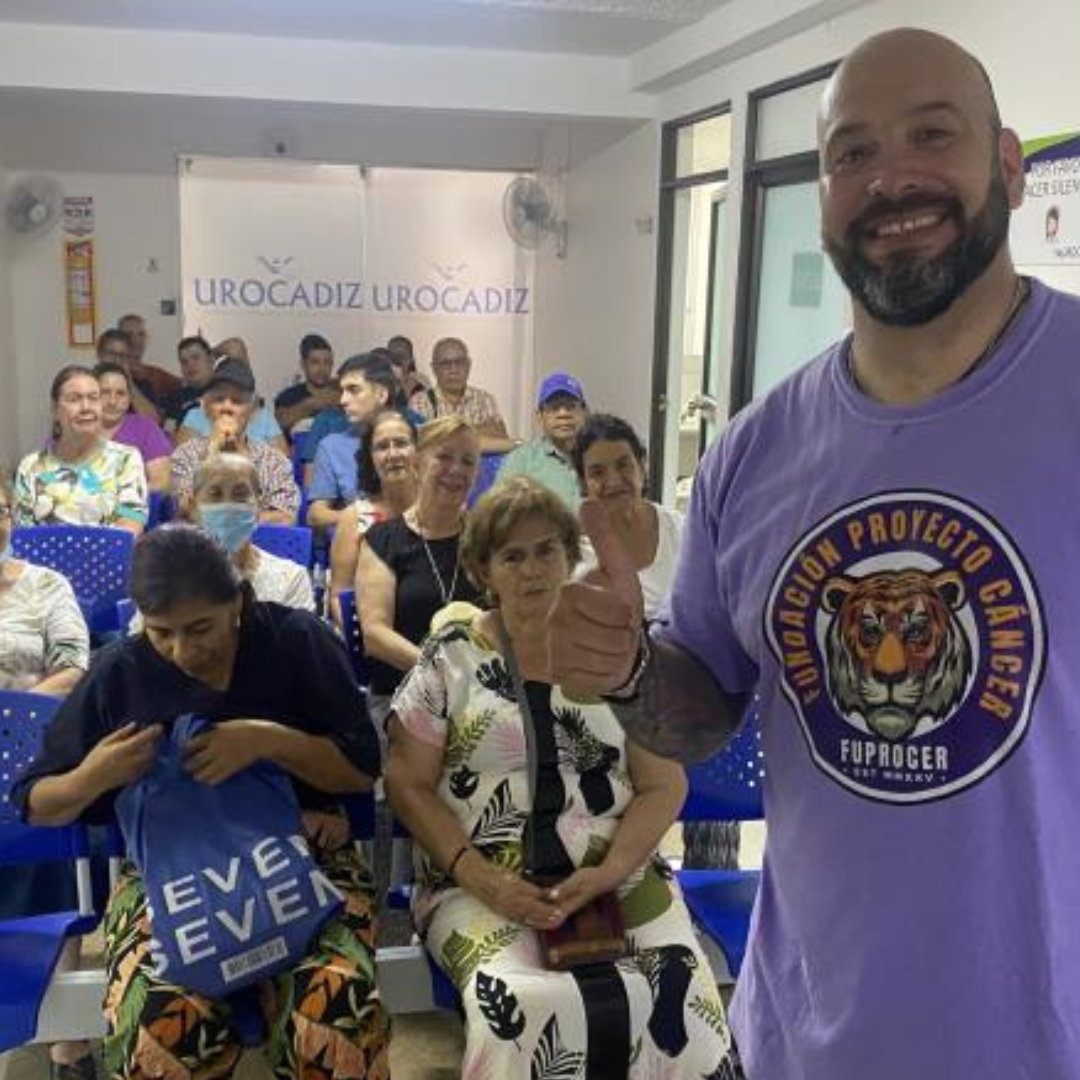
Fundación Proyecto Cáncer (FUPROCER) launched the May Awareness Month: Are You Scared? campaign to raise awareness of bladder cancer across Colombia by combining personal testimony, educational content, and direct engagement with patients. Inspired by the founder’s own experience with bladder cancer, the campaign aimed to make conversations around symptoms, prevention, and early detection more visible and accessible to the public.
The campaign was built around media publications, awareness videos, and in-person talks with urology patients. Educational videos were created specifically for Bladder Cancer Awareness Month and shared across the foundation’s social media channels and other communication platforms. These videos focused on prevention, symptom recognition, and helping people better understand bladder cancer, using simple and direct messaging to encourage people to take symptoms seriously.
FUPROCER also organised in-person conversations with urology patients, creating space for open discussion, peer support, and patient education. These talks helped connect lived experience with practical information and allowed patients to ask questions in a more personal setting. The campaign also included interviews and video content featuring personal stories, helping to make bladder cancer awareness more relatable and less intimidating for patients and families.
The campaign achieved strong social media engagement across several platforms. Facebook content generated over 1,300 views, 330 reach, and more than 100 content interactions, while Instagram reached over 2,700 views, 980 reach, and 181 interactions. LinkedIn activity also supported the campaign with over 470 impressions and continued engagement. YouTube content generated more than 2,700 impressions and over 190 interested views, helping extend awareness through longer educational video formats.
By combining personal storytelling, social media outreach, and direct patient engagement, FUPROCER successfully created a campaign that helped break fear and uncertainty around bladder cancer. Their work strengthened awareness efforts in Colombia and reinforced the importance of early detection, prevention, and patient-led advocacy within local communities.
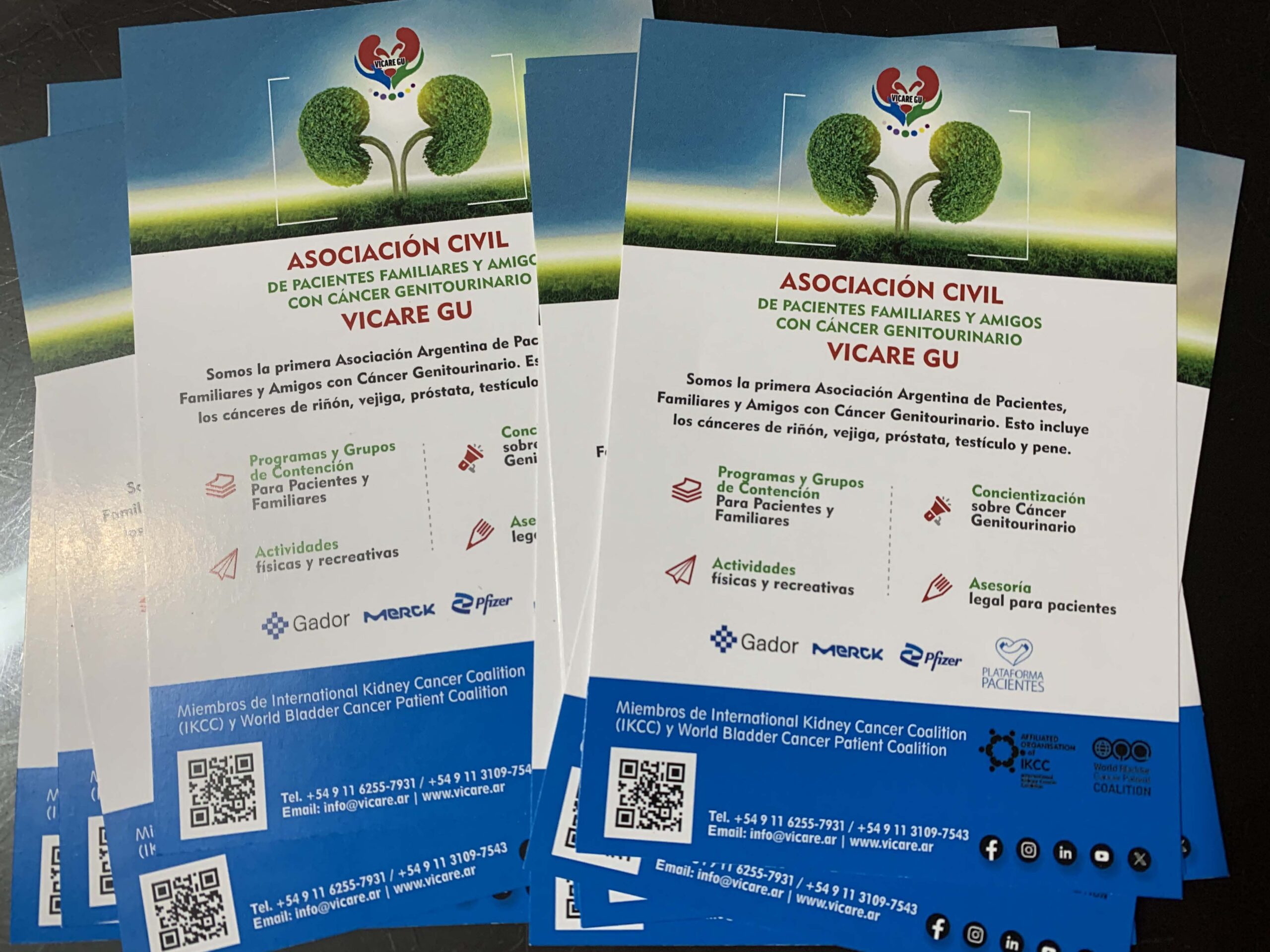
Vicare GU, a civil society organisation dedicated to supporting those affected by genitourinary cancers, launched the Vicare GU: United for Bladder Cancer Awareness campaign. This comprehensive initiative focused on raising awareness, providing education, and fostering community support through a combination of virtual, social media, and in-person activities.
The campaign featured a virtual symposium on 28 May, bringing together prominent health professionals to share valuable insights with patients, families, and the public. Throughout the month, Vicare distributed informational pamphlets in hospitals, offering key resources and contact details to patients. Their innovative “Yo Puedo, Vos Podés”initiative encouraged bladder cancer patients to share their experiences in peer-to-peer talks, creating a supportive and empowering environment.
On social media, daily posts, reels, and stories under #MesDelCáncerDeVejiga24 and #cáncerdevejiga reached a wide audience, amplified by paid advertisements. To conclude the campaign, Vicare hosted a mindfulness walk around the lakes of Palermo, led by psycho-oncologist Nancy Ferro, offering participants an opportunity for reflection and connection.
Vicare’s efforts successfully engaged diverse audiences, combining education, emotional support, and community involvement. By leveraging various platforms and approaches, the campaign significantly advanced bladder cancer awareness and support in Argentina.
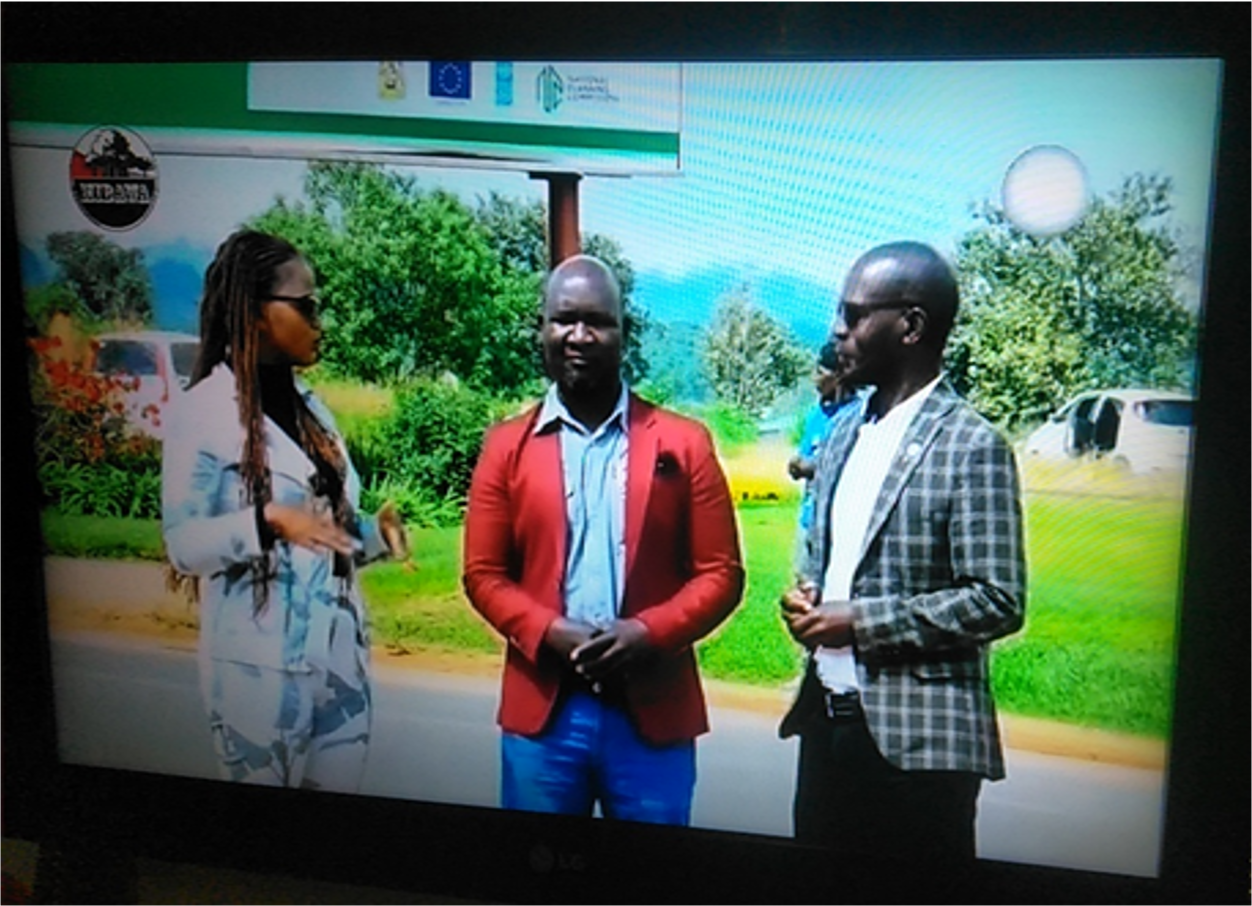
One Community, a local NGO in Malawi, launched the Pamodzi Pofaritsa Uthenga Wozindikiritsa Za Nthenda Ya Cancer Ya Mchikodzozo campaign to enhance bladder cancer awareness across underserved regions. The initiative utilised diverse communication channels to educate the public, promote early detection, and provide support for affected individuals, reaching an impressive audience nationwide.
The campaign engaged medical personnel and trained over 600 volunteers and community leaders to deliver bladder cancer awareness messages. Door-to-door visits reached 687 households, while 21 support groups were established to offer ongoing assistance to patients and families. Awareness materials were widely distributed, and outreach activities through churches engaged 200,000 individuals. Media efforts, including live TV and radio discussions, reached over 800,000 people, while outdoor campaigns engaged more than 350,000 citizens across ten districts.
Despite challenges like material production delays, the campaign had a substantial impact, reaching over 500,000 citizens. By combining grassroots initiatives, media engagement, and community support, the campaign successfully raised awareness and strengthened bladder cancer advocacy in Malawi.
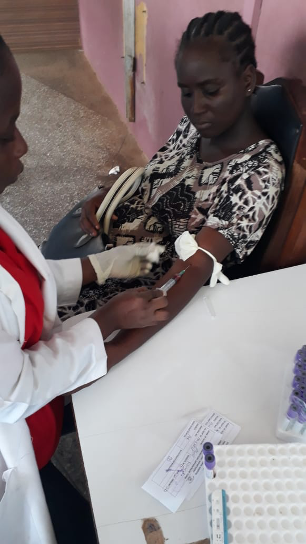
Empowerment for Sustainable Livelihood launched the BladderWell: Nurturing Health, Empowering Lives campaign to raise awareness, promote early detection, and support individuals affected by bladder cancer. The initiative combined community-based activities and digital outreach, making a significant impact across Ghana.
Free screenings through mobile clinics reached over 500 people, with 10% referred for further medical evaluation. Community workshops educated 1,200 participants, while support groups expanded to include over 300 individuals and their families. Online awareness campaigns and educational webinars reached thousands, while public events like health fairs attracted significant attention and local media coverage.
The campaign also fostered partnerships with healthcare providers and increased traffic to its online platform, offering essential educational resources and live support. By facilitating early detection, expanding support networks, and engaging communities, the BladderWell campaign made a lasting impact on bladder cancer advocacy in Ghana.
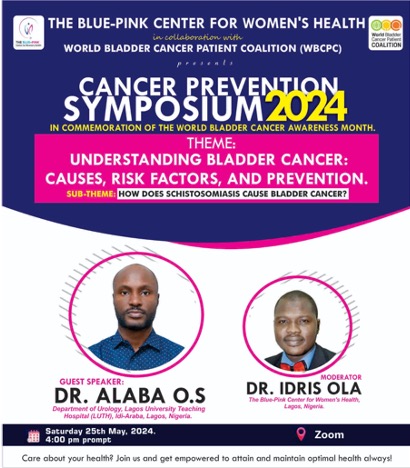
The Blue-Pink Center for Women’s Health launched the BladderAlert Naija: Igniting Change, Inspiring Hope campaign during Bladder Cancer Awareness Month 2024 to address the urgent need for awareness, prevention, and early diagnosis of bladder cancer in Nigeria. Combining digital, print, and in-person initiatives, the campaign reached over 90,000 people through a variety of activities, including a virtual symposium attended by 152 participants, a radio segment on Miliki 101.3 FM that engaged 20,000 listeners, and a culturally tailored awareness video in nine Nigerian languages shared widely on social media.
The campaign also featured in prominent publications like the Exchange Alumni Newsletter and the Nigerian Tribune, further amplifying its impact. Through nurse-led education sessions, print materials distributed across communities, and social media outreach, BladderAlert Naija not only raised awareness but also empowered individuals like Mrs. Ojo Taiwo to take proactive steps in their health and educate others. By successfully reaching underserved populations, this initiative has laid a strong foundation for continued efforts to combat bladder cancer in Nigeria.
Oncoguia, based in Brazil, aimed to spread vital information on preventing, early diagnosing, and treating bladder cancer. They launched a virtual patient education campaign, partnering with various Brazilian institutions. While Brazil observes Bladder Cancer Awareness Month in July, Oncoguia also promoted awareness in May, sharing WBCPC’s messages like the “Unsure Icon.”
In July, their “Ame Sua Bexiga” (Love your Bladder) campaign was introduced, focusing on symptoms, diagnosis, and treatments. Collaborating with uro-oncologist Fernando Korkes, they produced a playlist of 16 videos, receiving over 10,000 impressions, covering essential patient topics. Another 11-video playlist was crafted to debunk bladder cancer myths, also gaining nearly 10,000 impressions.
On July 26, 2023, a live talk titled “Bladder Cancer, we need to talk more about it” was hosted by Oncoguia’s founder, Luciana Holtz, and experts Dr. Korkes and Dr. Mauro Gomes. Broadcasted on multiple social media platforms, the archived talk has since received over 990 views and 12,336 impressions.
Oncoguia’s strategic bladder cancer awareness initiatives, combining educational campaigns, expert insights, and social media engagement, have effectively spread crucial information, showcasing their dedication to bladder cancer advocacy.
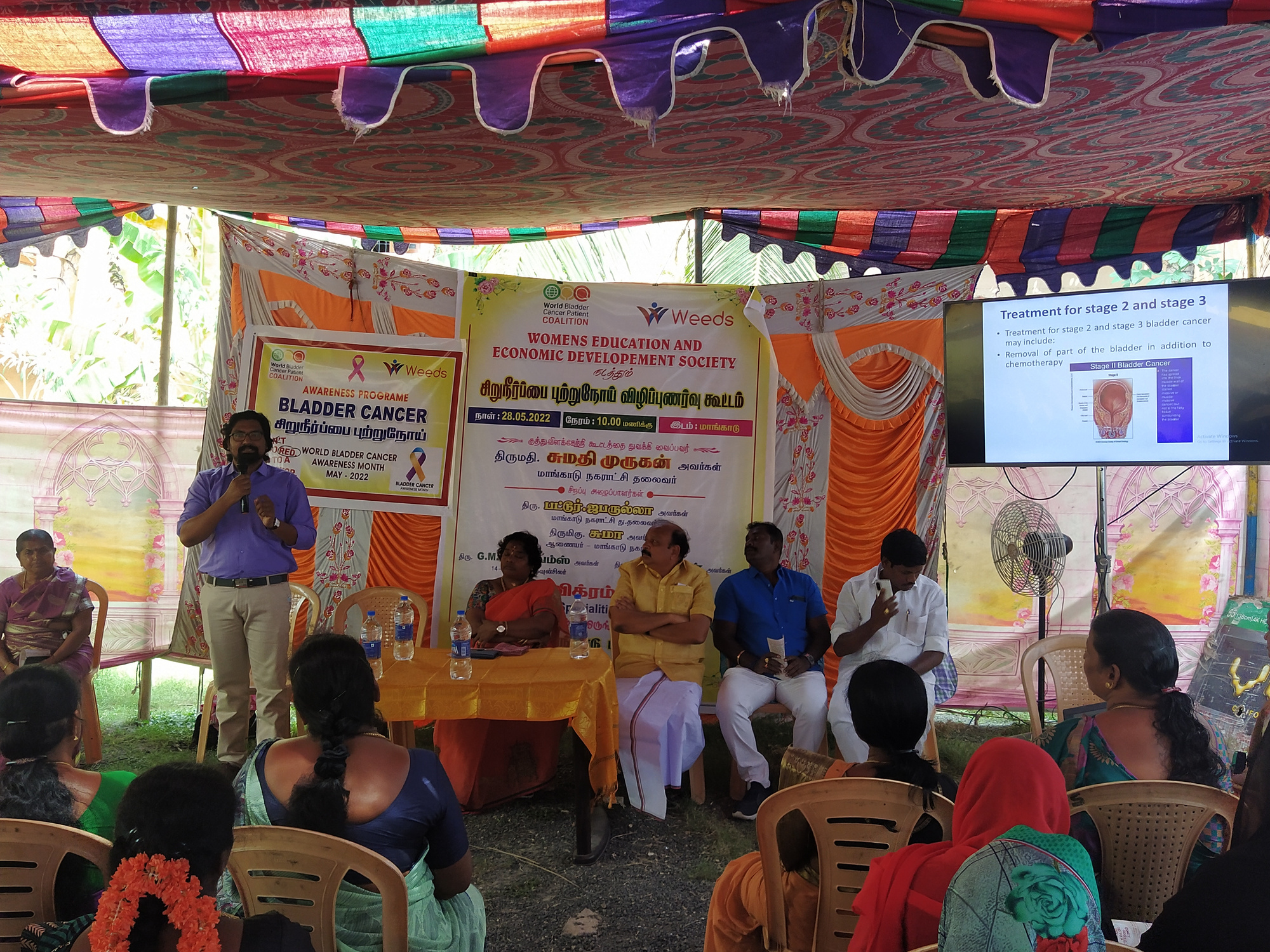
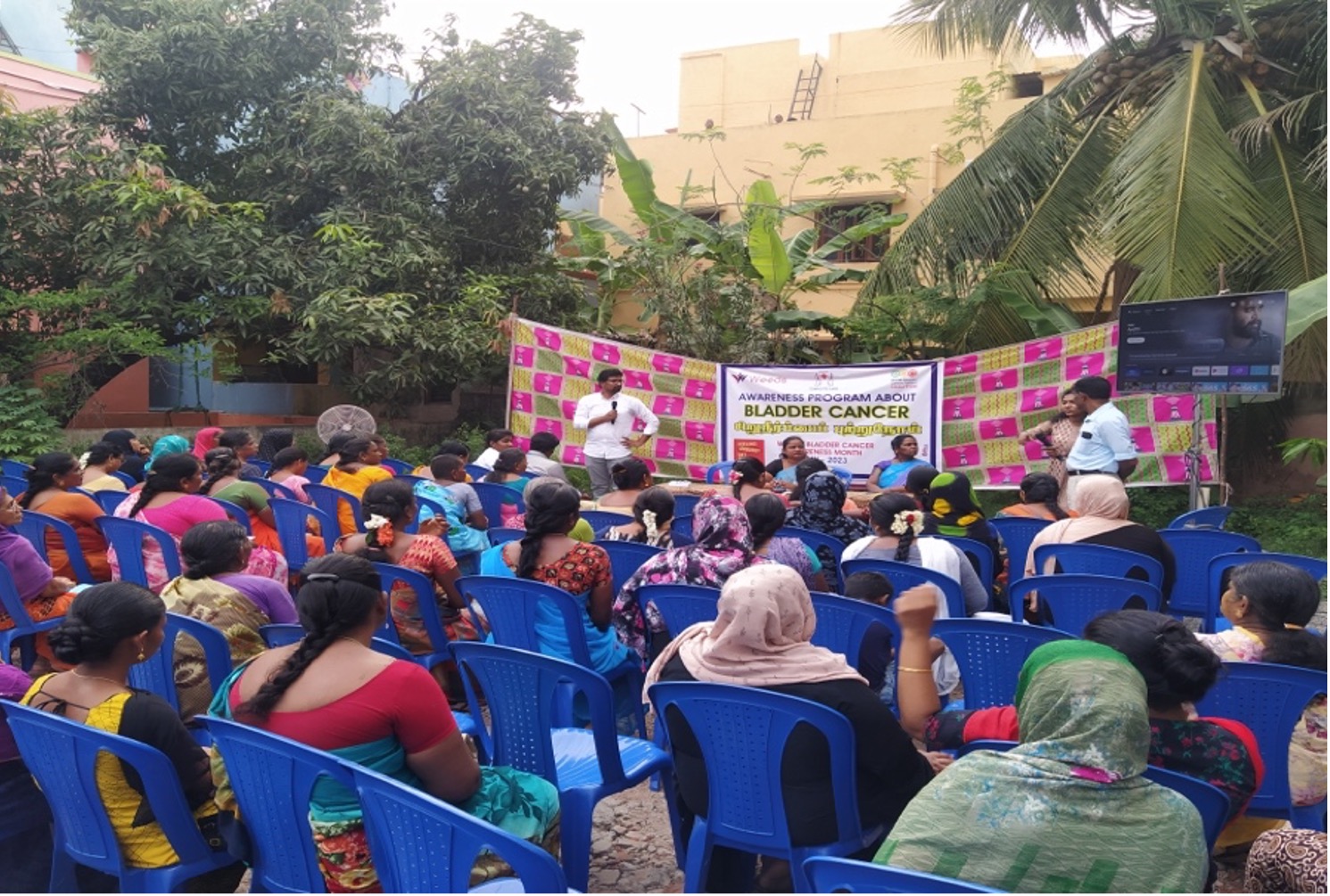
In May 2023, the Women’s Education and Economic Development Society (WEEDS) teamed up with the World Bladder Cancer Patient Coalition to enhance bladder cancer awareness in Kancheepuram district’s Mangadu, Anagaputhur, and Kundrathur areas. With contributions from Dr. Vikram, Dr. Vinodhi, and other experts from RMD Hospital, the initiative reached over 725 women, offering crucial insights.
The programme’s primary objective was to enlighten suburban and rural women, who often placed family health above their own. Post-initiative, a significant shift was observed as women became more informed about bladder cancer symptoms, leading to a proactive approach towards medical consultation.
Through a combination of community outreach and online sessions, the campaign engaged 180+ Self-Help Group members, distributing educational materials like pamphlets and videos. Notably, 24 women expressed interest in pre-consultation at RMD Hospital, highlighting the campaign’s emphasis on early detection.
In total, the initiative engaged over 930 women. Many sought clarity on symptoms during community interactions, showcasing the campaign’s impact. The combined efforts of WEEDS and the World Bladder Cancer Patient Coalition successfully raised awareness among women in Kancheepuram district. By addressing symptoms and promoting medical consultations, the campaign not only educated but also empowered women, serving as a testament to the effectiveness of community-driven health awareness.
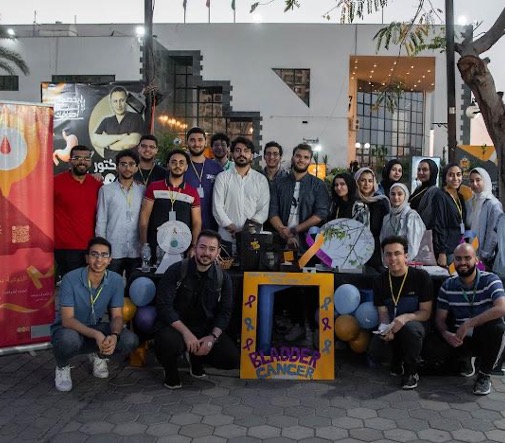
Mansoura University Safety Society (MUSS) in Egypt launched awareness campaigns to assess and boost public knowledge of bladder cancer, gathering around 1,700 questionnaires. They distributed leaflets with translated infographics and symptoms in Arabic. Interactive events, such as a bladder cancer quiz and games like bingo and darts, were organised, with prizes for participants. Supportive messages for patients were also collected and showcased at the Urology and Nephrology Center’s clinics.
MUSS collaborated with Prof. Dr. Alaa A Moukhtar for an online orientation session and set up awareness booths at various locations in May. On May 24th, a symposium was held at Mansoura Faculty of Medicine, attended by renowned nephrology and urology experts. Additionally, a video with consultant urologist Dr. Mohamed M. Elsherbiny was created, highlighting essential bladder cancer information.
MUSS’s efforts have significantly advanced bladder cancer awareness through varied campaigns, interactive events, and expert collaborations, emphasizing early detection and proactive health actions.
In the Nkhata Bay district of Malawi, the Direct Impact Foundation for Youth (DIFY) spearheaded a bladder cancer awareness campaign. This initiative emphasized the symptoms of the disease and underscored the importance of seeking medical advice when in doubt. Recognizing bladder cancer’s significant impact in Malawi, as highlighted by the WHO, DIFY collaborated with local communities and youth to align with global awareness efforts.
With the support of BCAM Grants, DIFY directly engaged with 500 individuals in Nkhata Bay using various methods. They utilized outdoor sports events for awareness, conducted youth focus group discussions to deepen understanding of bladder cancer, and held health talks and interviews to educate communities. These sessions covered global trends, local impact, symptoms, risk factors, and responses to uncertainties. Collaborations with organizations, such as EN MARRIAM FOUNDATION, further amplified the campaign’s message. Additionally, sporting activities like football and netball were employed to engage the youth, with football alone drawing significant rural audiences and reaching over 2000 people.
By actively involving local communities and youth in a range of initiatives, DIFY successfully heightened awareness about bladder cancer symptoms and the critical nature of timely medical consultation. With the campaign reaching over 2000 individuals, DIFY’s efforts stand as a commendable example of effective community-driven health awareness.
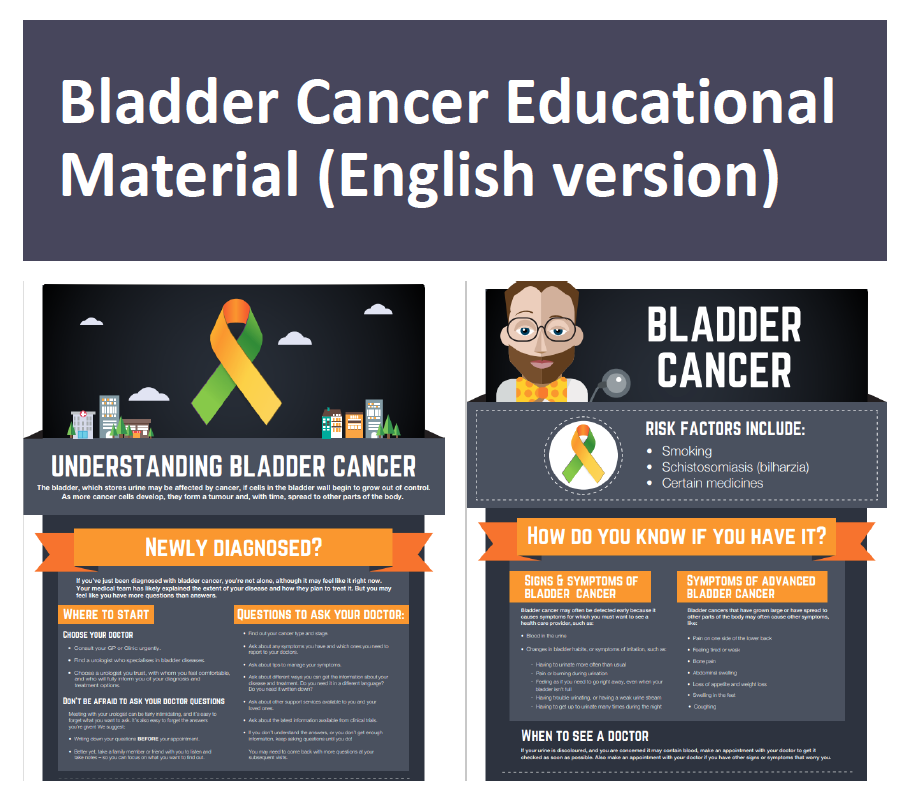
Campaigning For Cancer developed an educational poster in both English and isiZulu to raise awareness about bladder cancer in South Africa. This helpful resource summarises the main sign and symptoms of bladder cancer and advanced bladder cancer.
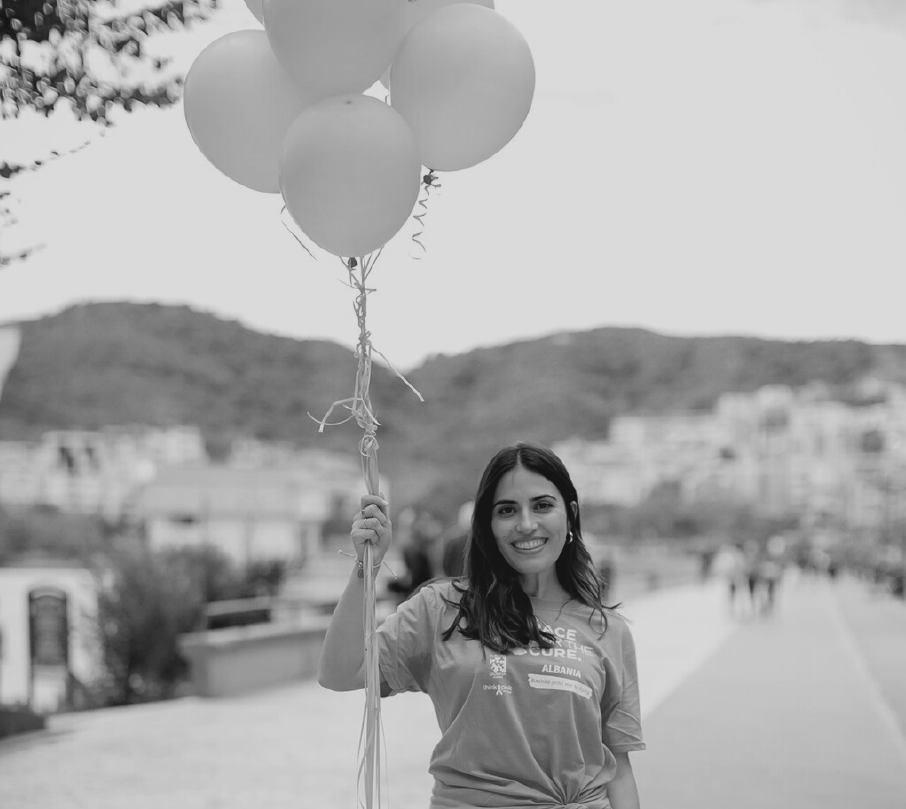
The President of Europa Donna Albania developed a social media campaign and aimed at informing and educating people about bladder cancer in Albania.
Weeds India developed an awareness programme to raise awareness about this condition among over 500 women in two different blocks. Women who participated in the program wanted to create awareness among people from their community as most people are not aware of bladder cancer.